Table of Contents
ToggleFlaxseed for Hair Growth: Overview
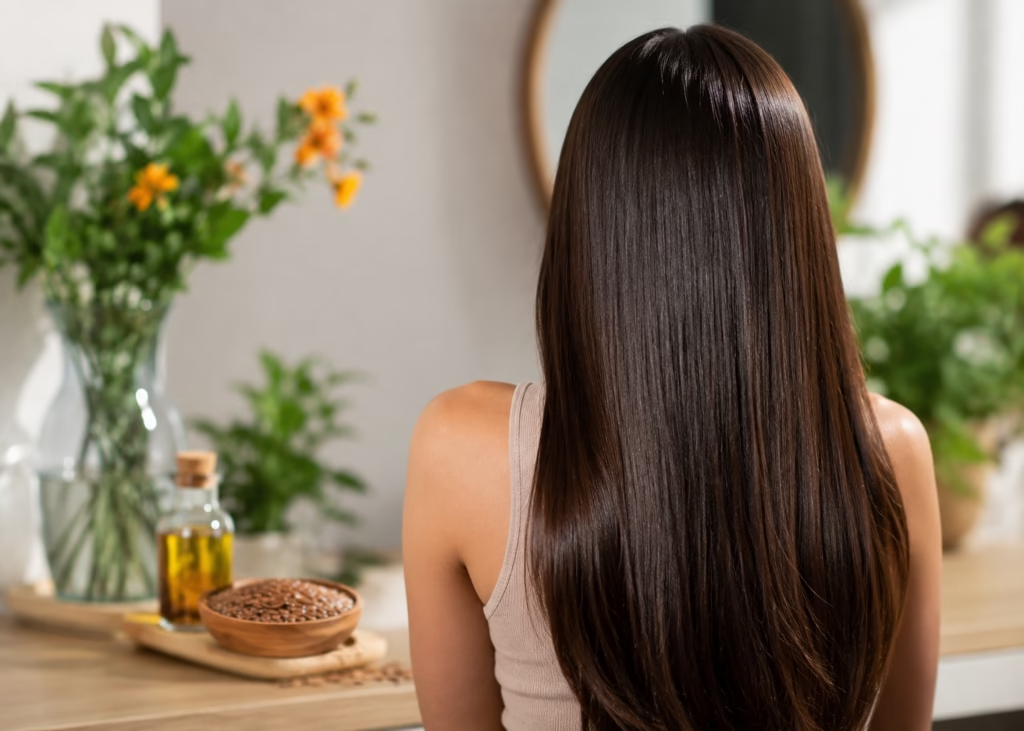
If you’re looking for a simple and natural way to support healthier hair, flaxseed is an ingredient worth knowing about.
These tiny seeds are packed with nutrients like omega-3 fatty acids, protein, vitamin E, and B vitamins that help nourish your scalp and keep your hair strong from root to tip.
While flaxseed won’t magically make your hair grow overnight, adding it to a healthy hair care routine may help reduce breakage, improve shine, and support overall hair health.
You can enjoy its benefits by eating ground flaxseed, using flaxseed oil for scalp massage, or applying homemade flaxseed gel to your hair.
In this guide, you’ll learn what flaxseed is, why it’s good for your hair, the science behind its nutrients, and the best ways to use it safely.
Whether your goal is stronger hair, a healthier scalp, or naturally shinier strands, flaxseed can be a simple addition to your routine
What is Flaxseed?

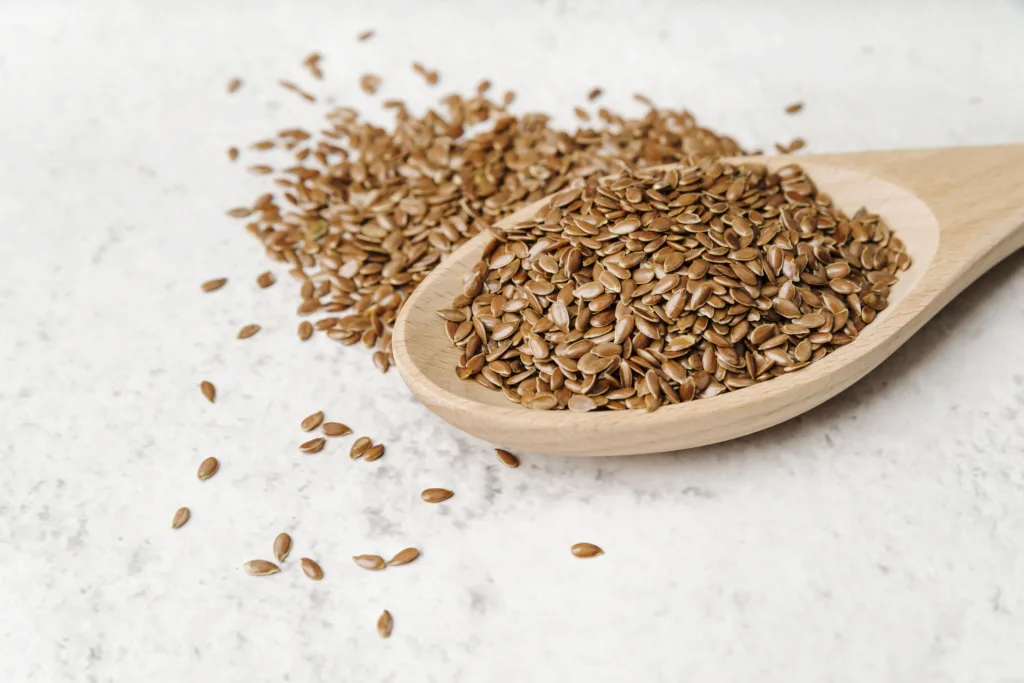
Flaxseed is a small, nutrient-rich seed that comes from the flax plant (Linum usitatissimum).
It is usually available in brown and golden varieties, and both offer similar nutritional benefits.
Flaxseed has been used for centuries as a food ingredient and is now widely valued for its potential health and beauty benefits.
These tiny seeds are rich in omega-3 fatty acids (ALA), protein, fiber, lignans, vitamin E, and several B vitamins.
Together, these nutrients help support overall health and may also contribute to healthier hair and scalp.
Many people add ground flaxseed to smoothies, yogurt, oatmeal, or salads as part of a balanced diet.
Flaxseed oil is commonly used for scalp massage, while homemade flaxseed gel has become a popular natural styling product that helps define curls and reduce frizz.
Although flaxseed is not a miracle cure for hair loss, its nutrient-rich profile may help nourish the scalp, strengthen hair strands, and support healthier-looking hair when combined with a balanced diet and a consistent hair care routine.
Nutritional Profile of Flaxseed
Flaxseed is packed with nutrients that support overall health and may also benefit your hair.
It contains healthy fats, plant protein, fiber, antioxidants, vitamins, and essential minerals that help nourish the scalp and maintain strong, healthy-looking hair.
While no single food can guarantee faster hair growth, the nutrients in flaxseed can support healthy hair as part of a balanced diet.
Nutrient | How It May Benefit Your Hair |
Omega-3 Fatty Acids (ALA) | Help nourish the scalp and support healthy hair follicles. |
Protein | Supports the production of keratin, the main protein that makes up hair. |
Lignans | Provide antioxidant support and may help protect hair follicles from oxidative stress. |
Vitamin E | Helps protect scalp cells from free radical damage and supports a healthy scalp. |
B Vitamins | Help support normal cell growth and healthy hair growth cycles. |
Magnesium | Supports normal cellular function, including cells involved in hair growth. |
Manganese | Plays a role in collagen production, which supports healthy skin and scalp. |
Selenium | Acts as an antioxidant and supports overall scalp health. |
To learn more about how this antioxidant supports healthy hair, read our detailed guide on Vitamin E for Hair.
What Does Research Say?
Research on flaxseed specifically for hair growth is still developing.
However, studies suggest that flaxseed is rich in beneficial plant compounds, including omega-3 fatty acids, lignans, and antioxidants, which may help nourish the scalp and protect hair follicles from oxidative stress.
These nutrients play an important role in maintaining a healthy environment for hair growth.
A recent study on a flaxseed-based herbal hair gel found that flaxseed gel showed significant antioxidant activity and provided beneficial hair care properties.
Researchers concluded that flaxseed gel, when combined with other herbal extracts, may help support scalp nourishment and protect hair from environmental damage, making it a promising natural ingredient for hair care products.
However, more human clinical studies are needed to confirm its direct effects on hair growth
Benefits of Flaxseeds for Hair
May Support Healthier Hair Growth
The omega-3 fatty acids in flaxseed provide nourishment to your hair follicles, supporting healthy growth.
They also enhance blood circulation in your scalp, which can strengthen hair growth.
Reduces Hair Breakage
Flaxseed contains protein and essential fatty acids that fortify hair strands, reducing their susceptibility to breakage.
Enhances Scalp Health
A healthy scalp is vital for hair growth. The omega-3 fatty acids in flaxseed have anti-inflammatory properties that can alleviate scalp irritation and dandruff.
Boosts Shine and Smoothness
Using flaxseed can improve your hair’s texture, leaving it looking shinier and feeling smoother.
Maintains Hormonal Balance
Flaxseed lignans help regulate hormone levels, which is crucial for hair health. Hormonal imbalances are often linked to hair loss, so maintaining balance can support healthier hair growth.
How to Use
Flaxseed can be used in various ways to promote hair growth. Here are some effective methods:
1. Flaxseed Oil
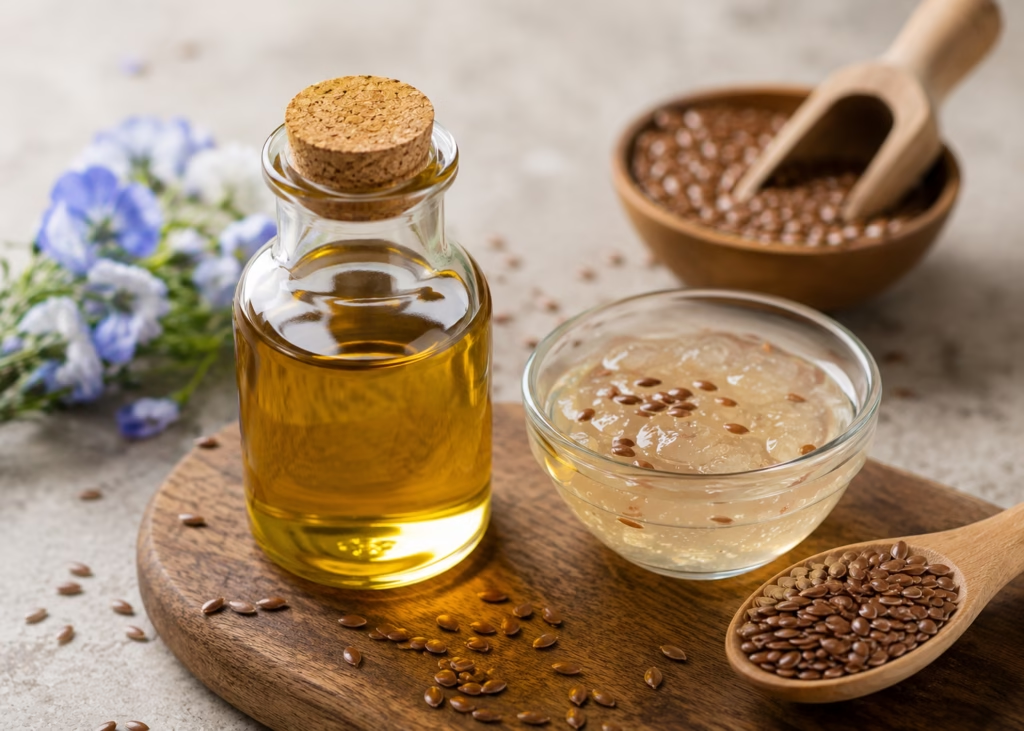
Flaxseed oil promotes hair growth. You can find flaxseed oil easily in any grocery store, usually in the cooking oil section.
Apply flaxseed oil thoroughly to your scalp and hair, then gently massage your scalp. Leave it on for at least 30 to 45 minutes before washing it out with a mild shampoo. Regular use will help nourish your scalp and hair.
If you enjoy using natural oils, you may also like to read our guide on Sesame Oil for Hair, which is rich in nutrients that help nourish the scalp and improve hair health.
2. Flaxseed Gel
Flaxseed gel is a great natural remedy that you can easily make at home.
Ingredients
- 1/4 cup flaxseeds
- 2 cups water
Instructions
- Combine the flaxseeds and water in a pot and bring to a boil.
- Reduce the heat and stir the mixture occasionally until it thickens.
- While the gel is still hot, strain it using a sieve or cheesecloth.
- Allow the gel to cool before using it.
Application
Apply the flaxseed gel to your hair and scalp, focusing on the roots and strands. Leave it on for 30 minutes, then wash it out with a natural shampoo.
3. Adding flaxseed to your diet
Include flaxseed in your diet by adding it to smoothies or salads.
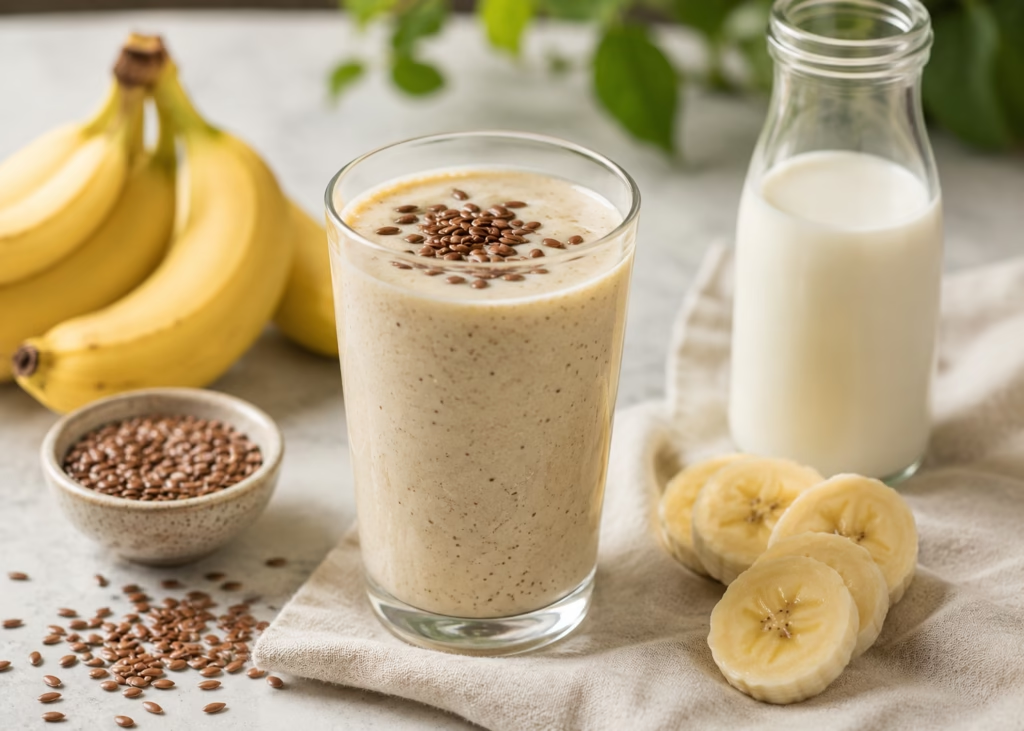
How to Make a Smoothie
- 1 banana
- 1 teaspoon flaxseed
- 1 cup almond milk
Blend all the ingredients together. Enjoy this healthy smoothie as part of your breakfast or as a snack.
For salads, add 1 tablespoon of flaxseed to either a fruit salad or a regular salad and enjoy.
4. Flaxseed and coconut oil hair mask
- Mix the ground flaxseed with water and let it sit until it forms a gel.
- Add coconut oil to the gel and mix well.
- Apply the mask to your hair and scalp. Leave it on for 30-45 minutes before rinsing it out with a mild shampoo.
Tips for Incorporating Flaxseed into Your Routine
Tips for Using Flaxseed
Start Slowly
If you’re new to flaxseed, begin with small amounts and gradually increase your intake. This helps prevent any digestion-related issues.
Be Consistent
To see results, include flaxseed in your daily routine. Consistency is key.
Store Properly
Flaxseed oil and ground flaxseeds can spoil quickly. Place them in the refrigerator to ensure they stay fresh.
Stay Hydrated
Drink plenty of water throughout the day, especially when consuming flaxseed. Its high fiber content requires good hydration to aid digestion and keep your system healthy.

Potential Side Effects and Precautions
Flaxseed is generally safe for most people when consumed in moderation or used topically. However, keep the following precautions in mind:
Digestive Discomfort
Flaxseed is high in fiber. Eating large amounts suddenly may cause bloating, gas, stomach cramps, or diarrhea.
If you’re trying flaxseed for the first time, use a small amount initially and increase it gradually based on how your body responds. Drink enough water throughout the day to support healthy digestion.
Allergic Reactions
Although uncommon, some people may be allergic to flaxseed. Stop using it immediately if you notice itching, skin rash, swelling, or difficulty breathing, and seek medical attention.
May Interact with Certain Medications
Flaxseed may interact with blood-thinning medicines or some medications used for diabetes and blood pressure.
If you take prescription medicines regularly, consult your healthcare provider before consuming flaxseed supplements.
Pregnancy and Breastfeeding
Whole flaxseed used in normal food amounts is generally considered safe.
However, if you are pregnant or breastfeeding, speak with your healthcare provider before taking flaxseed supplements or large amounts of flaxseed.
Do a Patch Test Before Topical Use
Before applying flaxseed gel or flaxseed oil to your scalp, perform a patch test on a small area of skin.
Apply a small amount to the inside of your wrist or behind your ear and leave it for 24 hours. If you notice no redness, itching, or irritation, it is generally safe to use on your scalp.
Final Thoughts
Flaxseed is rich in vitamins and nutrients that can significantly improve your hair health. It promotes hair growth, strengthens hair, and reduces hair loss. Including flaxseed in your hair care routine can be very beneficial.
You can consume it, apply it directly to your hair, or use it in a hair mask. Consistency is key.
Combine flaxseed use with a balanced diet and proper hair care practices for the best results. With regular use, you’ll likely notice improvements in your hair’s health and appearance.
Try incorporating flaxseed into your routine to experience its natural benefits for hair growth.
Frequently Asked Questions
What makes flaxseed beneficial for hair growth?
Flaxseed is rich in omega-3 fatty acids, lignans, and vitamins E and B, which nourish hair follicles, promote healthy hair growth, reduce hair breakage, and improve scalp health.
How can I use flaxseed for my hair?
You can use flaxseed in several ways: add ground flaxseed to your diet, apply flaxseed oil directly to your scalp, or use homemade flaxseed gel as a hair mask.
Can flaxseed help with hair loss?
Yes, the nutrients in flaxseed can strengthen hair and reduce hair loss by improving scalp health and balancing hormones.
How do I make flaxseed gel at home?
To make flaxseed gel, boil 1/4 cup of flaxseeds in 2 cups of water until it thickens. Strain the mixture while it’s still hot and let it cool before using it on your hair

About the Author
Hi, I’m Shashi, founder of Natural Hair Growth. I write evidence-based articles on hair growth, scalp care, and natural remedies to help readers build healthier hair care routines. Read More About Shashi