
Before we talk about the question does Exercise Cause Hair Loss?. how exercise can impact your hair, let’s understand the basics of hair growth. Picture this: your hair goes through three main stages—the growth phase, the transition phase, and the resting phase.
Each strand on your head follows this cycle independently. Normally, hair grows at a rate of about half an inch every month. And here’s the interesting part: each hair can keep growing for several years before it takes a break and eventually falls out.
Imagine your hair as a tiny workshop constantly producing strands in a never-ending loop. It’s a fascinating process that keeps your locks looking lively and healthy.
Now that we’ve got that covered, let’s delve into how your exercise routine fits into this hair growth equation.

When you get moving and exercise, it’s like giving your whole body a boost. Your heart starts pumping faster, and that sends more good stuff like oxygen and nutrients to every part of you, even your scalp where your hair grows.
Imagine your hair follicles, like little plants in your scalp, getting all the good stuff they need to grow strong and healthy. So, exercising isn’t just good for your muscles and heart; it’s like giving your hair a healthy dose of vitamins too.
It’s like watering a plant to help it grow tall and strong, but instead of water, it’s your blood bringing all the good stuff. So next time you’re out jogging or dancing, just think about how you’re giving your hair a little extra love too.

Hair loss can be influenced by a multitude of factors, ranging from genetic predispositions to environmental stressors. Understanding these diverse influences is crucial in addressing and managing hair loss effectively:
Stress and Hair Loss
While exercise can be a valuable tool for stress management, excessive or intense physical activity can lead to elevated stress levels in some individuals.
Chronic stress has been linked to hair loss conditions such as telogen effluvium, where a significant number of hair follicles prematurely enter the resting phase and shed hair.
However, it’s essential to note that moderate exercise is generally considered beneficial for stress reduction and unlikely to cause hair loss.
Hormonal Factors
When your hormones are not balanced, it can also cause you to lose hair. Intense exercise may temporarily increase levels of certain hormones like cortisol, which is often referred to as the “stress hormone.
While short-term spikes in cortisol are normal and necessary for the body’s response to physical activity, chronically elevated levels can have negative effects, potentially impacting hair growth.
However, the overall hormonal response to exercise is complex and influenced by various factors, including individual genetics and fitness levels.
Nutrition and Hair Health
Another crucial aspect to consider is nutrition. Exercise increases the body’s demand for nutrients, including vitamins and minerals essential for healthy hair growth.
Inadequate intake of key nutrients, such as iron, zinc, and protein, can contribute to hair thinning and loss. Therefore, maintaining a balanced diet that provides the necessary nutrients to support overall health is essential for preserving hair quality and quantity.

While the relationship between exercise and hair loss is multifaceted, there are steps you can take to minimize the risk of experiencing exercise-related hair issues:
Maintain a balanced exercise routine
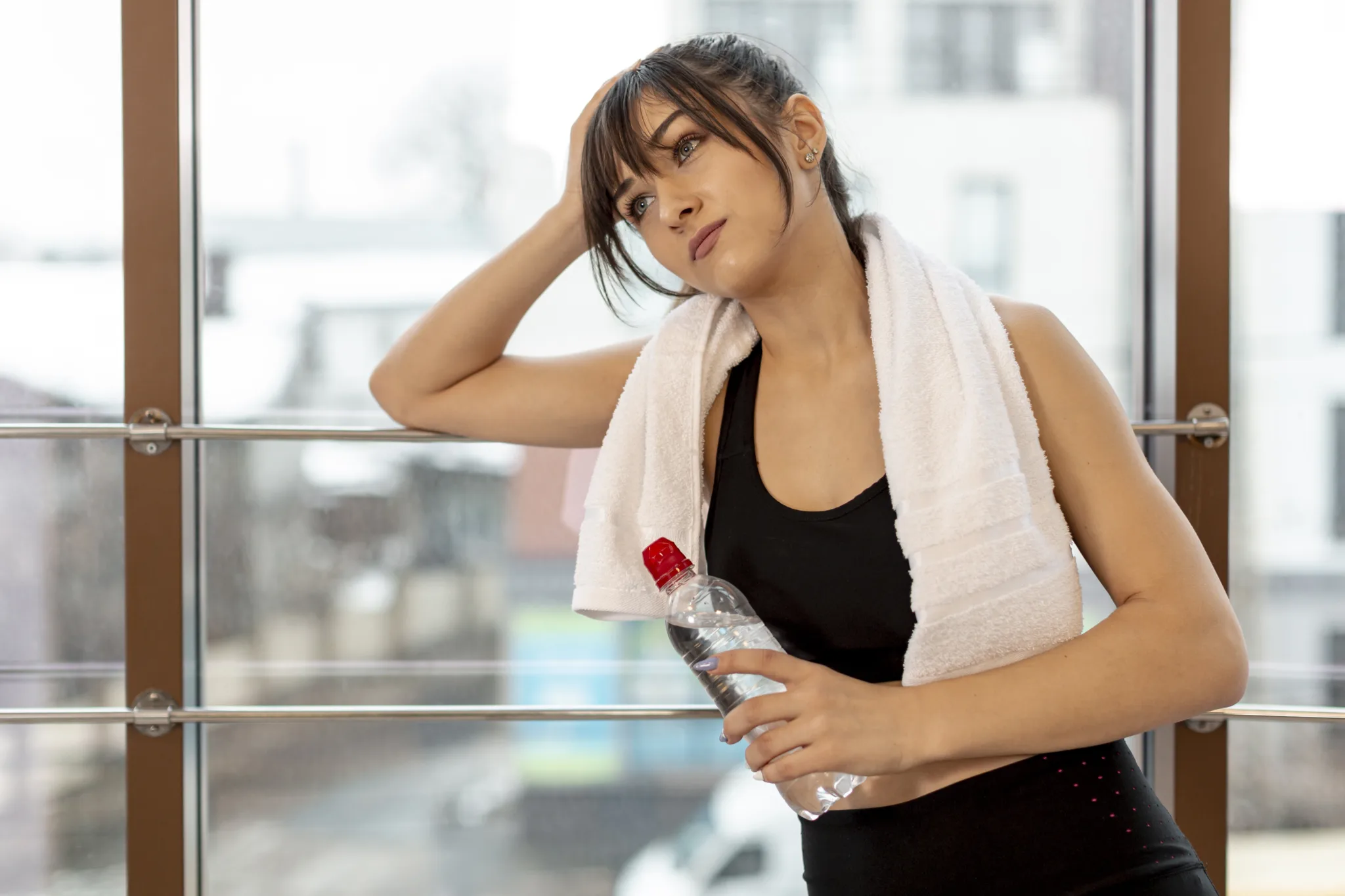
To keep yourself healthy and avoid too much strain, stick to a balanced exercise plan. Don’t push yourself too hard by overtraining. Instead, make sure to give your body some downtime by scheduling regular rest days.
These breaks allow your muscles and joints to recover, reducing the risk of injury and excessive physical stress. Remember, it’s not just about how much you exercise but also about how well you balance activity with rest.
By listening to your body and finding the right mix of movement and relaxation, you’ll maintain your overall well-being and enjoy sustainable fitness progress
Eat a nutritious diet
Include a wide range of whole foods that are packed with essential nutrients to keep your hair in top shape. Think fruits, vegetables, whole grains, lean proteins, and healthy fats.
These foods provide your body with the vitamins, minerals, and antioxidants it needs to promote healthy hair growth and strength.
Manage stress
Practice proper hair care
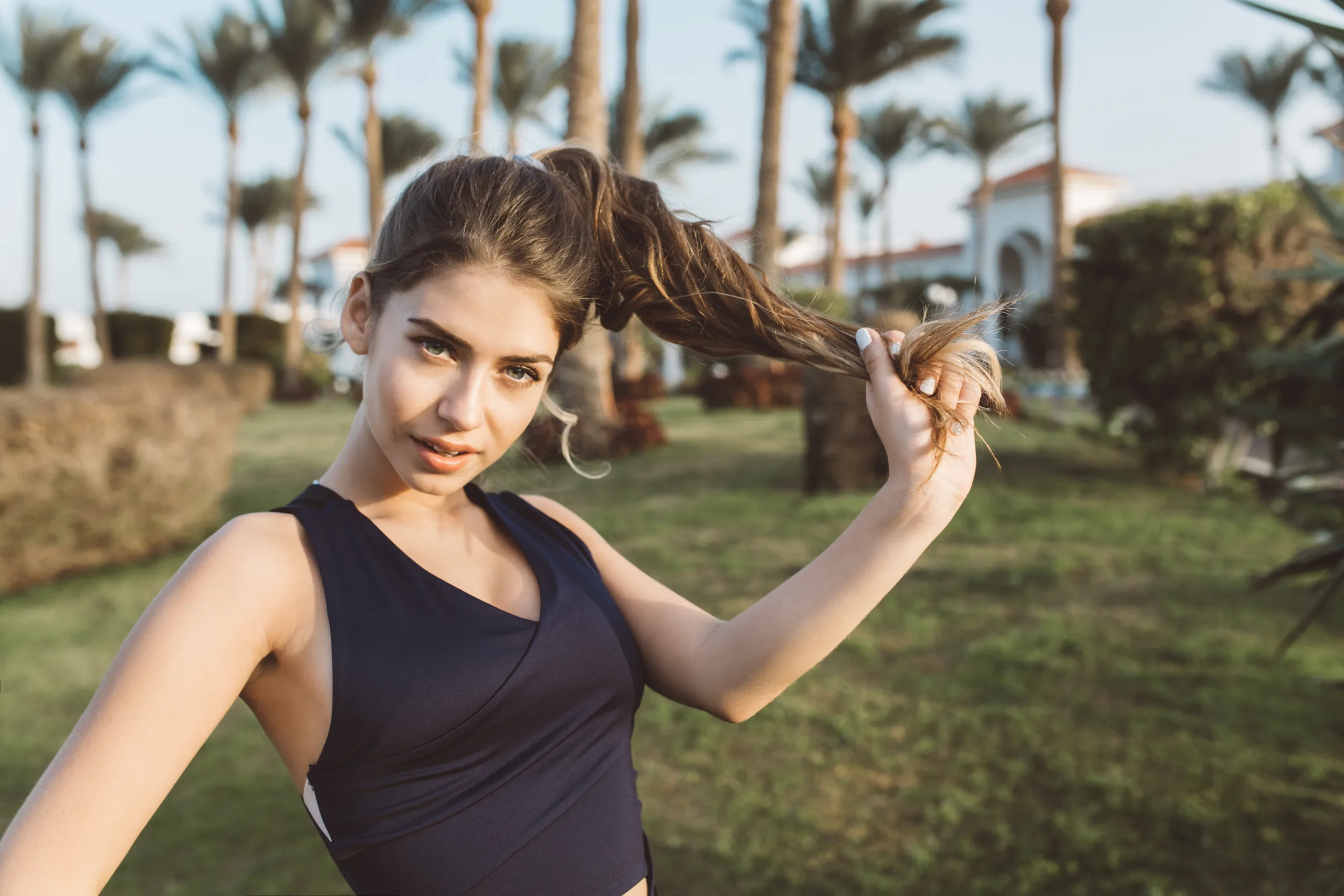
Steer clear of tight hairstyles that tug on your hair follicles and opt for gentle hair products that match your hair type. Tight hairstyles like ponytails or braids can strain your hair follicles, leading to breakage and hair loss over time. Instead, go for looser styles that give your hair some breathing room.