
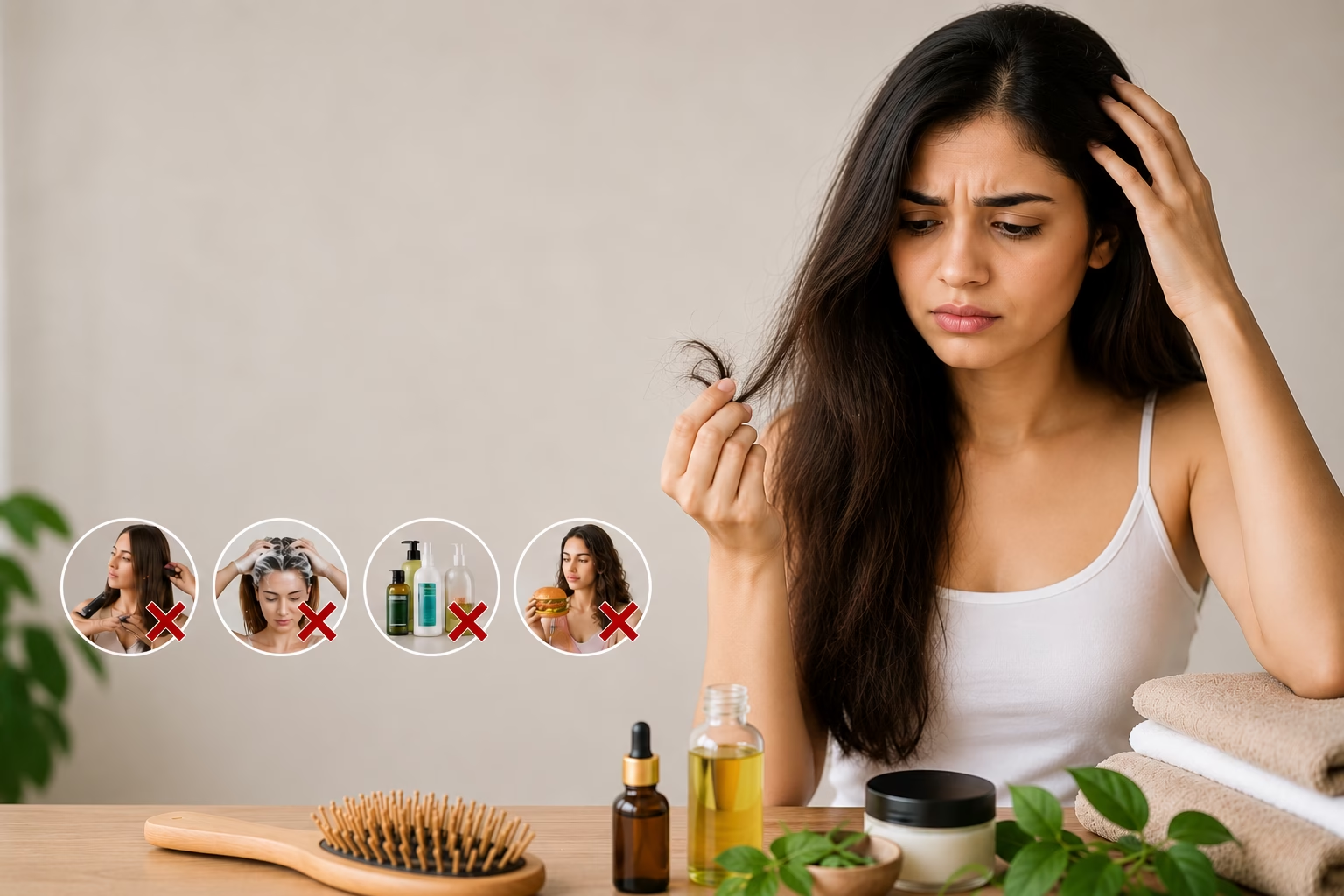
Not Eating Enough Protein
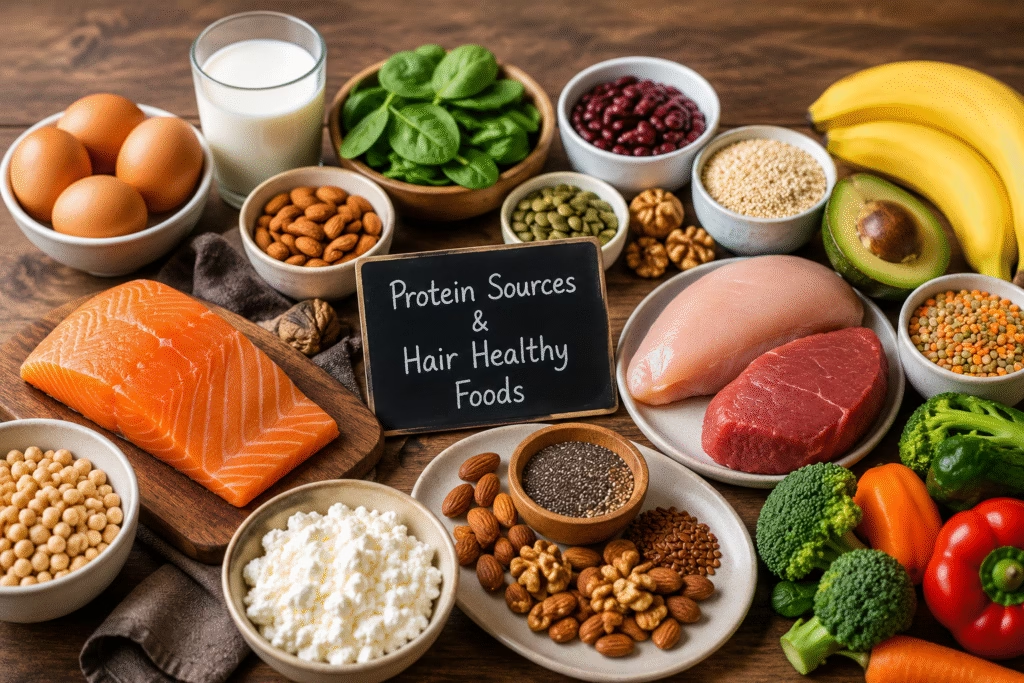
Our hair is made mostly of a protein called keratin. If we don’t get enough protein to support both our overall health and our hair, our body naturally uses the available protein for more important functions first.
As a result, our hair may not receive the nutrients it needs to grow well. Over time, this can make our hair weaker, increase hair shedding, and slow down healthy hair growth.
What we can do:
- Include protein-rich foods like eggs, fish, lentils, beans, tofu, and Greek yogurt in our daily diet.
- Instead of eating a protein-rich meal just once a day, try to include a source of protein with every main meal.
Wearing Tight Hairstyles Too Often
Tight hairstyles such as ponytails, buns, or braids can put constant tension on our hair roots.
Over time, this repeated pulling may weaken our hair, increase breakage, and even lead to a type of hair loss called traction alopecia.
What we can do:
- Choose loose hairstyles whenever possible.
- Avoid tying hair too tightly every day.
- Change hairstyle from time to time instead of wearing the same tight style every day.
Sleeping with Wet Hair
Going to bed with wet hair may seem harmless, but wet hair is more delicate than dry hair.
As we move during sleep, the friction between our hair and the pillow can increase the risk of breakage, tangles, and split ends.
What we can do:
- Let hair air-dry or use a cool setting on a hair dryer before sleeping.
- If hair is slightly damp, use a soft microfiber towel to remove excess water first.
- Sleeping on a satin or silk pillowcase may also help reduce friction.
Using Heat Styling Too Often
Straighteners, curling irons, and blow dryers can make styling easier, but frequent heat exposure can weaken the hair shaft.
Over time, this may leave our hair dry, brittle, and more likely to break, making it seem like our hair isn’t growing.
What we can do
- Limit heat styling whenever possible.
- Protect hair with a heat protectant before using straighteners, curling irons, or blow dryers.
- Choose lower heat settings and allow hair to air-dry whenever we can.
Ignoring Stress
Stress doesn’t usually stop hair from growing overnight, but long-term stress can affect the normal hair growth cycle.
It may push more hair into the shedding phase, making our hair appear thinner over time.
What we can do:
- Get enough sleep each night.
- Make time for activities that help us relax, such as walking, meditation, yoga, or deep breathing.
- Eat a balanced diet and stay physically active to support overall well-being.
Washing Our Hair Too Often
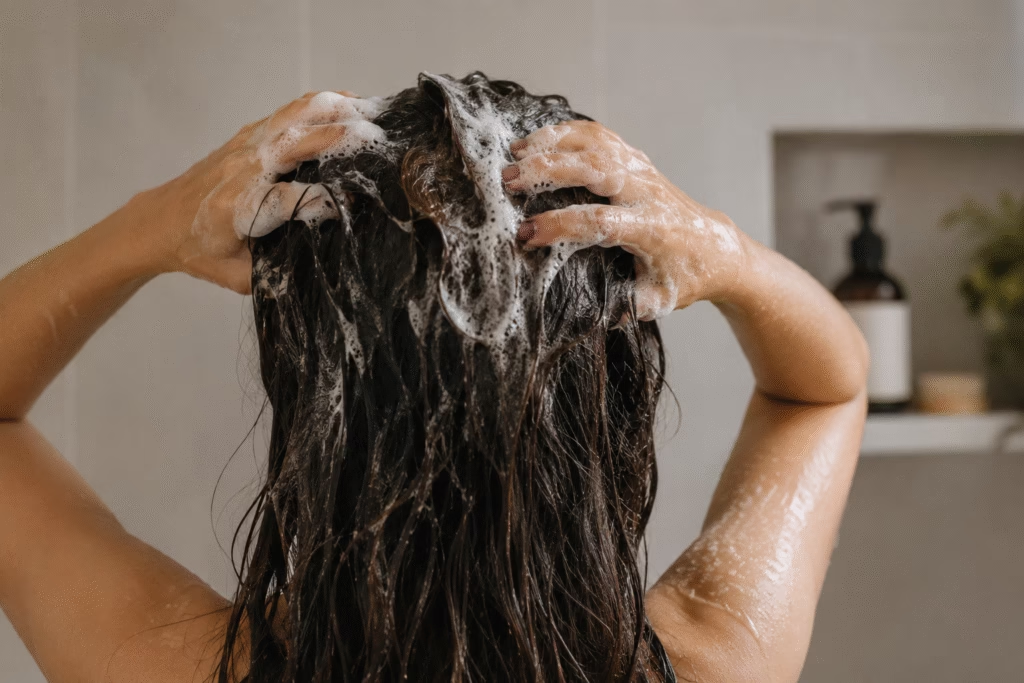
Keeping scalp clean is important, but washing hair too frequently can remove the natural oils that protect and moisturize hair.
Over time, our hair may lose its natural softness, become harder to manage, and break more easily.
What we can do
- Wash hair based on our hair type and scalp needs instead of following a fixed schedule.
- Use lukewarm water rather than very hot water.
- Follow up with a conditioner to help keep hair soft and hydrated.
Using Harsh Shampoos
Not all shampoos are the same. Some products contain strong cleansing ingredients that may strip away too much natural oil, leaving our scalp dry and our hair feeling weak.
An unhealthy scalp can make it harder to maintain healthy hair over time.
What we can do:
- Choose a gentle shampoo that matches to hair and scalp type.
- If possible, avoid products with harsh cleansing agents that leave scalp feeling tight or overly dry.
- If styling products are used regularly, remove product buildup occasionally with a clarifying shampoo and follow with a gentle, moisturizing shampoo
Skipping Regular Scalp Massage
Healthy hair starts with a healthy scalp. Ignoring scalp care is a common mistake that many people overlook.
Gentle scalp massage may help improve blood circulation to the scalp, relax tension, and distribute natural oils more evenly through the hair.
What we can do:
- Massaging scalp gently for 5–10 minutes a few times each week.
- Use natural oils like coconut oil or rosemary-infused oil if they suit our scalp.
- Avoid scratching the scalp with nails while massaging.
Many people avoid getting haircuts because they think it will help their hair grow longer. However, skipping regular trims does not make hair grow faster.
Instead, split ends can travel further up the hair shaft, leading to more breakage and damage.
What we can do:
- Trim split ends every 10–12 weeks, depending on the condition of the hair.
- Avoid exposing hair to excessive heat and rough brushing.
- Keep hair moisturized to help reduce dryness and breakage.
Keeping split ends under control can help reduce breakage and make it easier to maintain longer, healthier-looking hair. Learn What Causes Split Ends and How to Prevent Them.
Brushing Hair the Wrong Way
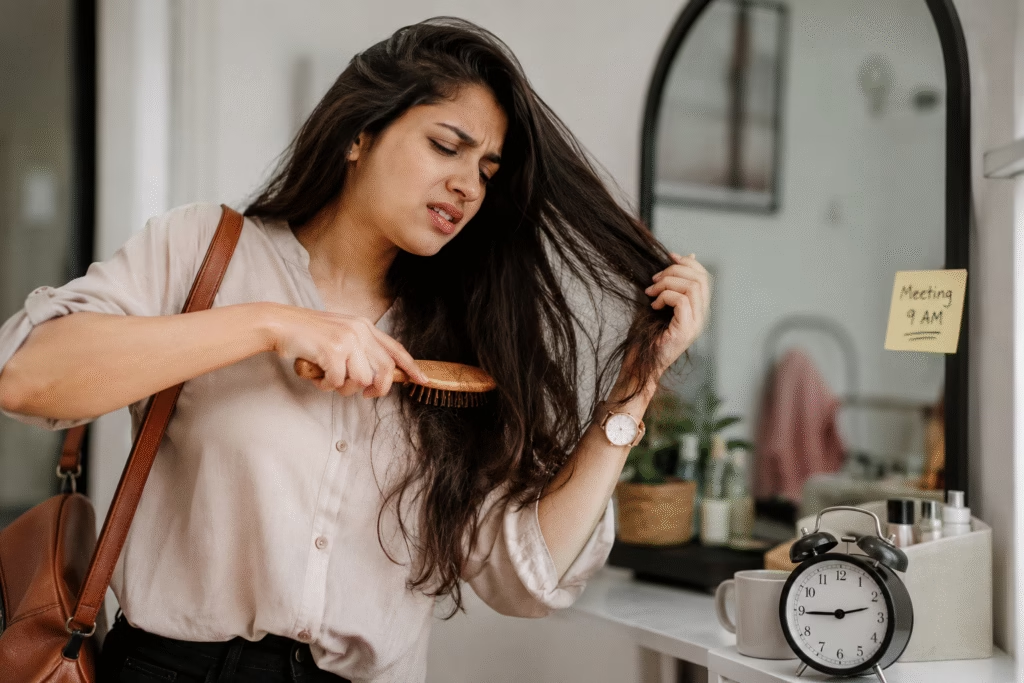
Brushing hair too roughly or using the wrong type of brush can cause unnecessary breakage, especially when the hair is wet.
What we can do:
- Try to use a wide-tooth comb or a detangling brush.
- Start detangling from the ends and gradually work your way up.
- Be extra gentle when hair is wet, as it is more fragile.
Related: If you’re thinking about switching your comb, learn how a wooden comb may help reduce friction and support healthier-looking hair.
Hair growth is a gradual process, and even healthy hair takes time to show visible improvement.
Avoiding common hair growth mistakes is important, but building healthy daily habits also plays a key role in supporting stronger, healthier hair over time.

Here are a few simple habits that can help create the right environment for healthy hair growth:
- Eat a Nutrient-Rich Diet: Include protein, iron, zinc, vitamins, and healthy fats in your daily meals to provide the nutrients your hair needs to grow strong and healthy.
- Stay Hydrated: Drinking enough water helps keep your scalp and hair hydrated, supporting overall hair health.
- Get Enough Sleep: Aim for 7–9 hours of quality sleep each night, as our body repairs and supports healthy hair growth while you rest.
- Exercise Regularly: Regular physical activity helps improve blood circulation, including to the scalp, which supports healthy hair follicles.
- Protect Your Hair from Sun and Pollution: Wear a hat or scarf when spending long periods outdoors and cleanse our hair regularly to remove dirt and environmental buildup.
- Follow a Consistent Hair Care Routine: Use gentle hair care products, avoid excessive heat styling, and care for your scalp regularly to reduce damage and support long-term hair health.
Healthy hair growth starts with simple daily habits and consistent hair care.
For more dermatologist-approved hair care recommendations, you can also explore the healthy hair care tips from the American Academy of Dermatology

About the Author
Hi, I’m Shashi, founder of Natural Hair Growth. I write evidence-based articles on hair growth, scalp care, and natural remedies to help readers build healthier hair care routines. Read More About Shashi