
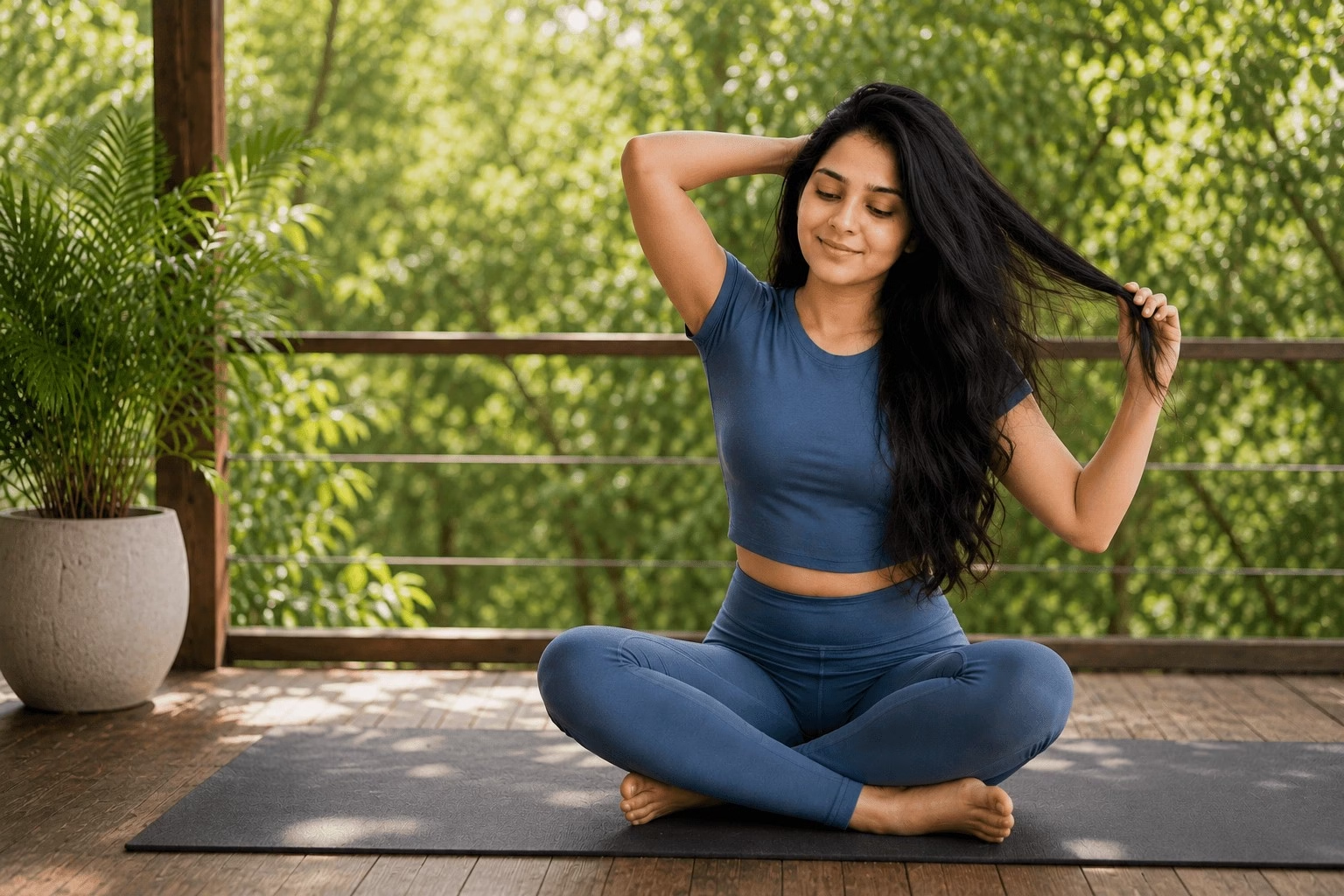
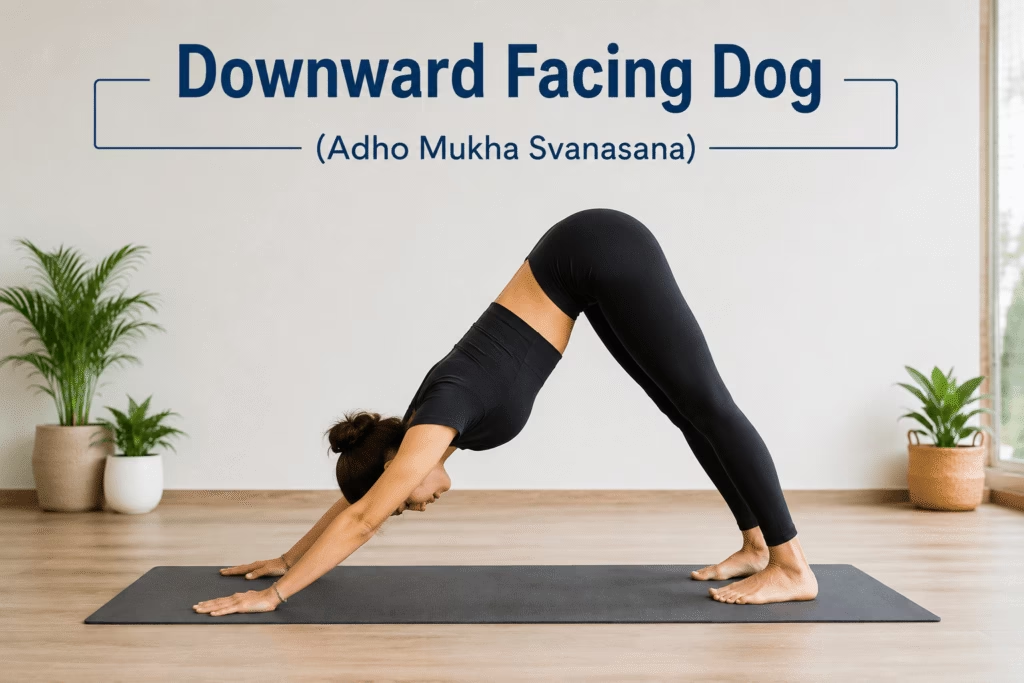
Downward Facing Dog (Adho Mukha Svanasana)
Downward Facing Dog (Adho Mukha Svanasana) is an easy yoga pose that may improve blood flow to the scalp, helping support healthy hair.
It also stretches the body and helps reduce stress, which can benefit overall hair health.
Benefits
- May improve blood circulation to the scalp.
- Helps deliver oxygen and nutrients to hair follicles.
- Reduces stress and promotes relaxation.
- Stretches and strengthens the body.
How to Do It
- Start on your hands and knees.
- Place your hands shoulder-width apart and tuck your toes under.
- Lift your hips toward the ceiling to form an upside-down “V” shape.
- Keep your back straight, relax your neck, and breathe deeply.
- Slowly return to the starting position.
Duration
Stay in the pose for about 30–60 seconds, then repeat it 2–3 times.
Precautions
- Avoid this pose if you have a wrist, shoulder, or serious back injury.
- Consult your doctor if you have high blood pressure, glaucoma, or a recent eye surgery.
- Don’t force the stretch. Keep your knees slightly bent if needed and focus on steady breathing.
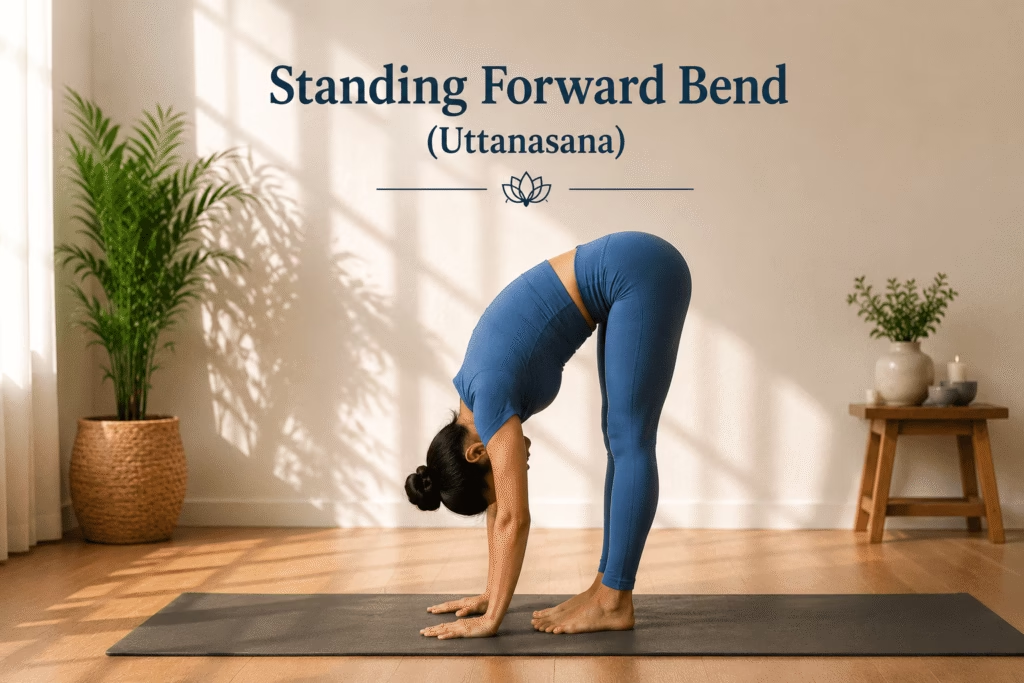
Standing Forward Bend (Uttanasana)
Standing Forward Bend (Uttanasana) is a gentle yoga pose that may increase blood flow to the scalp, supporting healthy hair growth.
It also helps stretch the body and reduce stress, making it a great addition to a healthy hair care routine.
Benefits
- May improve blood circulation to the scalp.
- Helps reduce stress and calm the mind.
- Stretches the back, hips, and hamstrings.
- Supports overall relaxation and well-being.
How to Do It
- Stand with your feet hip-width apart.
- Inhale deeply, then slowly bend forward from your hips.
- Let your hands rest on the floor, your legs, or your ankles—wherever feels comfortable.
- Keep your neck relaxed and breathe slowly.
- Slowly rise back up while keeping your back straight.
Duration
Stay in the pose for about 30–60 seconds, then repeat it 2–3 times.
Precautions
- Avoid this pose if you have a serious back injury or severe dizziness.
- Keep a slight bend in your knees if the stretch feels too intense.
- Come up slowly to avoid feeling lightheaded.
- Come out of the pose if you experience any pain or discomfort.
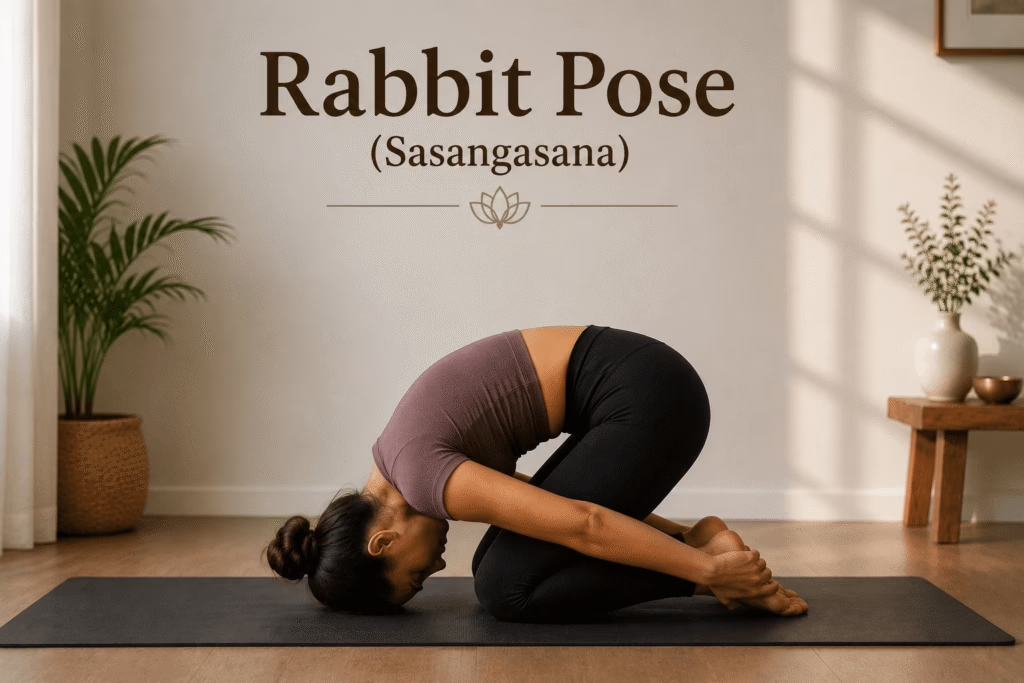
Rabbit Pose (Sasangasana)
Rabbit Pose is a gentle forward-bending yoga pose that may help improve blood circulation to the scalp while relieving stress and tension.
Benefits
- May improve blood flow to the scalp.
- Helps relax the mind.
- Stretches the neck, shoulders, and back.
How to Do It
- Sit in Child’s Pose.
- Hold your heels with both hands.
- Tuck your chin toward your chest.
- Gently place the top of your head on the mat and lift your hips slightly.
- Breathe slowly and then return to the starting position.
Duration
Stay in the pose for about 30–60 seconds, then repeat it 2–3 times.
Precautions
- Avoid if you have a neck injury or severe dizziness.
- Do not put excessive pressure on your head or neck.
Legs Up the Wall (Viparita Karani)
Legs Up the Wall is a relaxing pose that helps calm the body and may support healthy circulation while reducing stress.
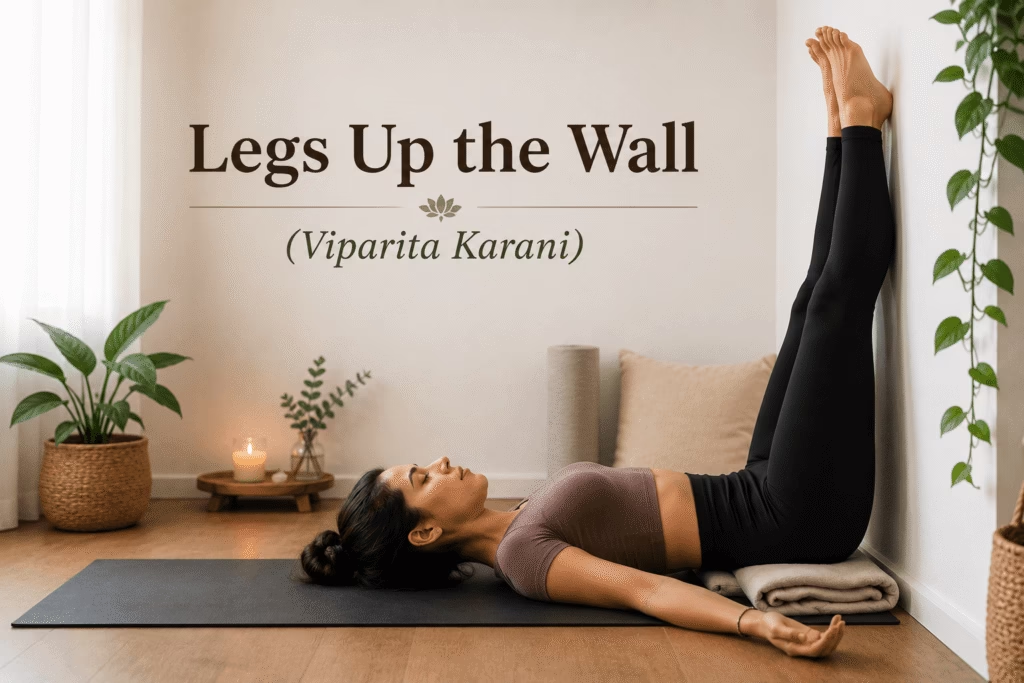
Benefits
- Promotes relaxation.
- Helps reduce stress and fatigue.
- Supports healthy blood circulation.
How to Do It
- Sit close to a wall.
- Lie on your back and extend your legs up against the wall.
- Keep your arms relaxed by your sides.
- Breathe slowly and comfortably.
Duration
Hold for 5–10 minutes.
Precautions
- Avoid if you have glaucoma or a serious eye condition.
- Come out of the pose slowly if you feel dizzy.
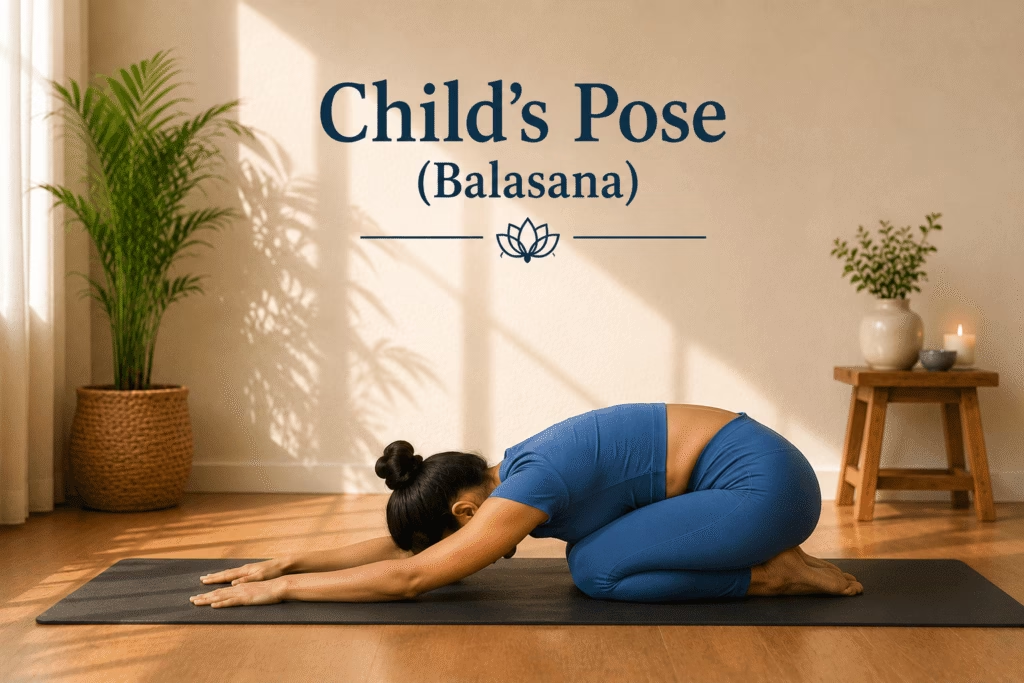
Child’s Pose (Balasana)
Child’s Pose is a gentle resting pose that helps relax both the body and mind, making it a great stress-relieving exercise.
Benefits
- Reduces stress and tension.
- Relaxes the back and shoulders.
- Promotes overall well-being.
How to Do It
- Kneel on the floor.
- Sit back on your heels.
- Reach your arms out in front and gently place your forehead on the mat.
- Take slow, deep breaths.
Duration
Hold for 1–3 minutes.
Precautions
- Skip this pose if you have a severe knee injury or knee pain.
- Stop if you feel pain or discomfort.
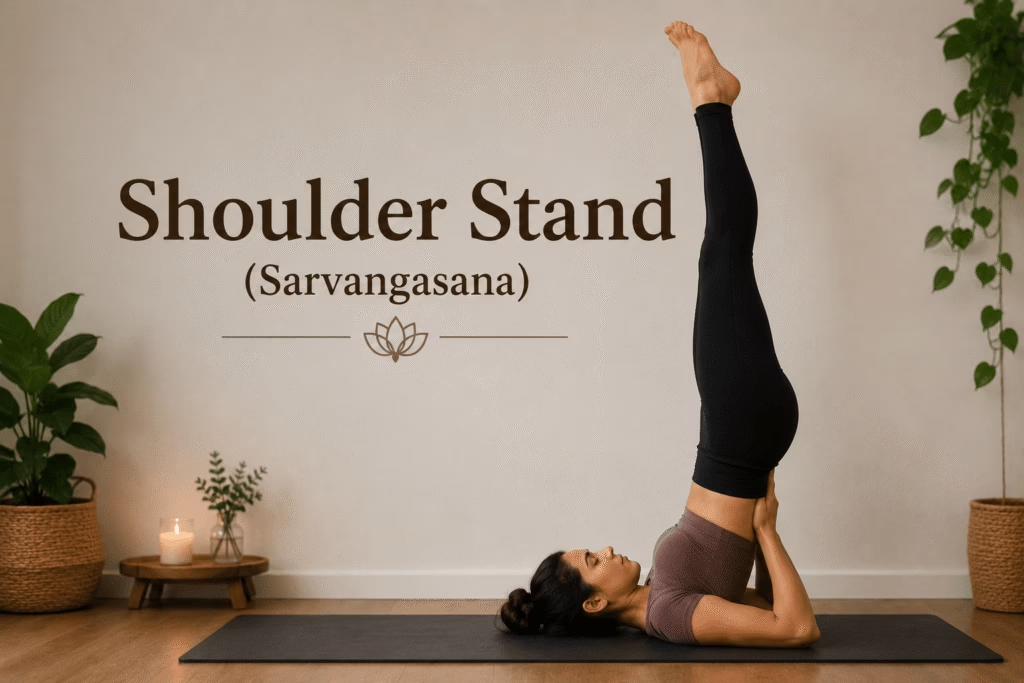
Shoulder Stand (Sarvangasana)
Shoulder Stand is an inversion that may improve circulation to the upper body. It should only be practiced with proper technique.
Benefits
- May improve blood circulation.
- Helps relax the body.
- Supports flexibility and balance.
How to Do It
- Lie on your back.
- Lift your legs and hips upward.
- Support your lower back with your hands.
- Keep your body as straight as possible while breathing normally.
Duration
Hold for 20–60 seconds.
Precautions
- Avoid if you have neck problems, high blood pressure, glaucoma, or are pregnant unless advised by a qualified instructor.
- Beginners should practice under guidance.
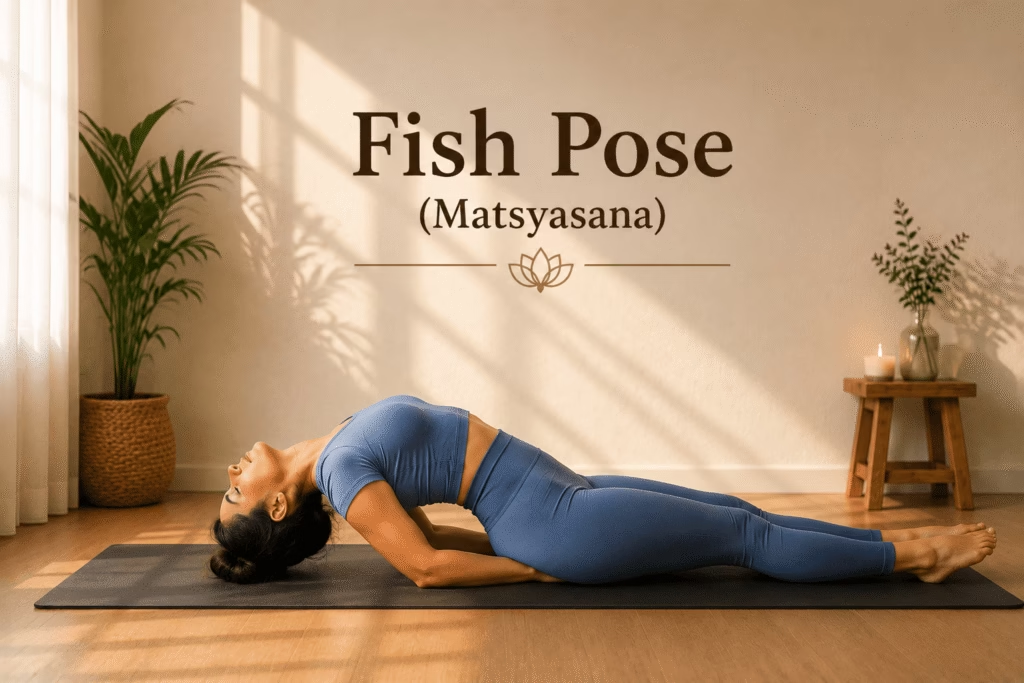
Fish Pose (Matsyasana)
Fish Pose opens the chest, encourages deep breathing, and may help improve overall circulation.
Benefits
- Encourages deep breathing.
- Stretches the neck and chest.
- Promotes relaxation.
How to Do It
- Lie flat on your back and keep your legs comfortably extended.
- Place your hands under your hips.
- Lift your chest and gently tilt your head back.
- Breathe slowly before returning to the starting position.
Duration
Hold for 20–30 seconds.
Precautions
- Do not practice this pose if you have a neck or back injury.
- Do not force your head backward.
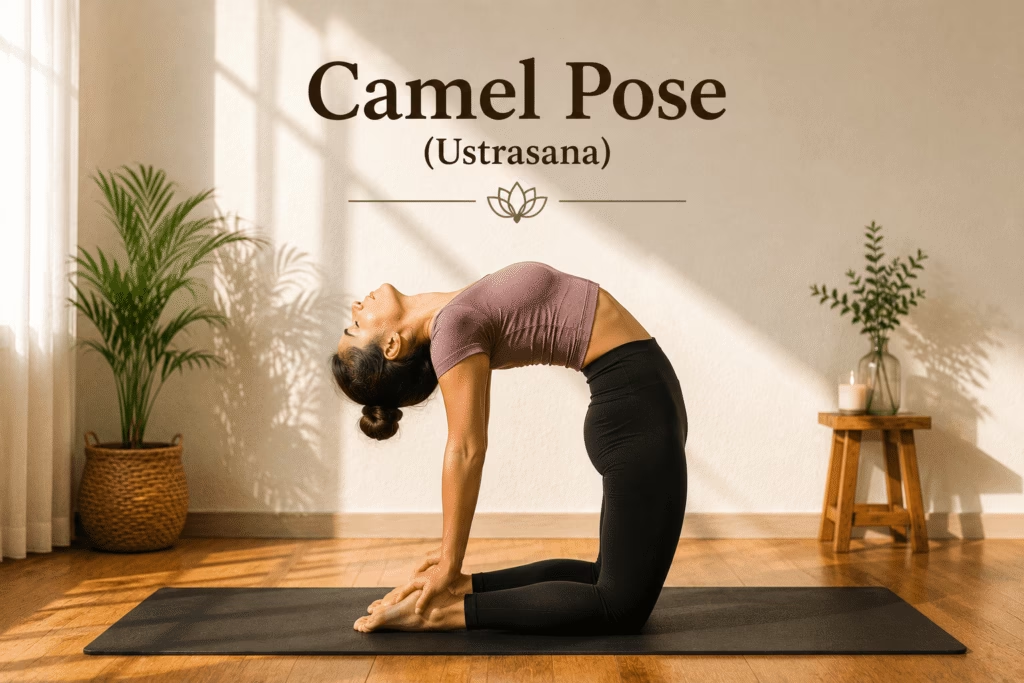
Camel Pose (Ustrasana)
Camel Pose gently opens the front of the body and helps improve flexibility and posture.
Benefits
- Opens the chest and shoulders.
- Improves flexibility.
- Helps reduce stress.
How to Do It
- Kneel on the mat.
- Place your hands on your heels.
- Gently push your hips forward and lift your chest.
- Hold the pose while breathing deeply.
Duration
Hold for 20–30 seconds.
Precautions
- Skip this pose if you have serious back or neck pain.
- Come out of the pose slowly.
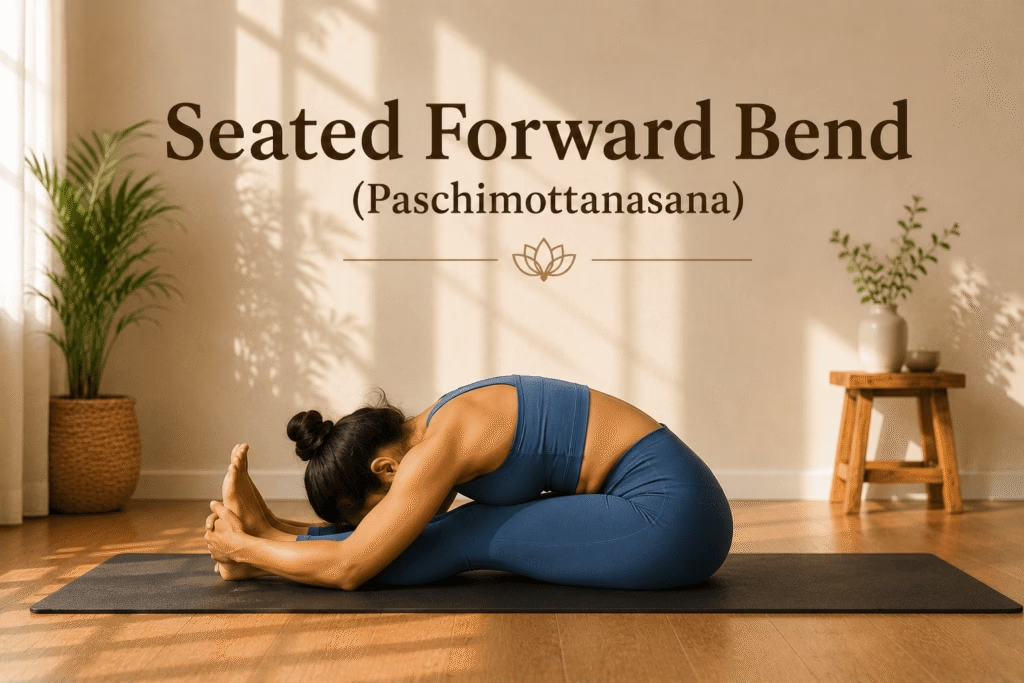
Seated Forward Bend (Paschimottanasana)
This calming pose stretches the back of the body and helps relax the mind.
Benefits
- Helps reduce stress.
- Improves flexibility.
- Stretches the spine and hamstrings.
How to Do It
- Sit with your legs extended.
- Inhale and lengthen your spine.
- Exhale and bend forward from your hips.
- Reach toward your feet and breathe deeply.
Duration
Hold for 30–60 seconds.
Precautions
- Bend your knees slightly if needed.
- Avoid if you have a serious back injury.
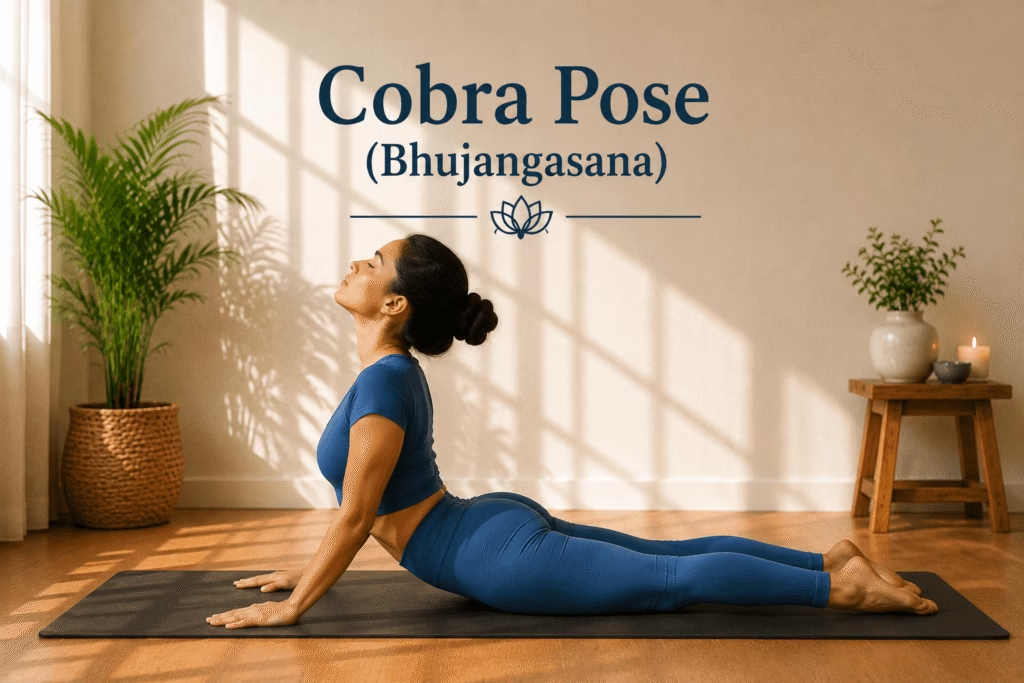
Cobra Pose (Bhujangasana)
Cobra Pose gently strengthens the back, improves posture, and promotes healthy circulation throughout the body.
Benefits
- Strengthens the back muscles.
- Improves posture.
- Helps reduce stress.
How to Do It
- Lie on your stomach.
- Place your palms under your shoulders.
- Raise your chest slowly and keep a slight bend in your elbows.
- Hold the pose and breathe normally.
Duration
Stay in the pose for about 20–30 seconds, then repeat it 2–3 times.
Precautions
- Avoid if you have a severe back injury or recent abdominal surgery.
- Do not overextend your back or force the stretch.
About the Author
Hi, I’m Shashi, founder of Natural Hair Growth. I write evidence-based articles on hair growth, scalp care, and natural remedies to help readers build healthier hair care routines. Read More About Shashi