

Some effective methods to maintain healthy hair during the rainy season:
1. Keep Your Scalp Clean and Dry
Regular Washing
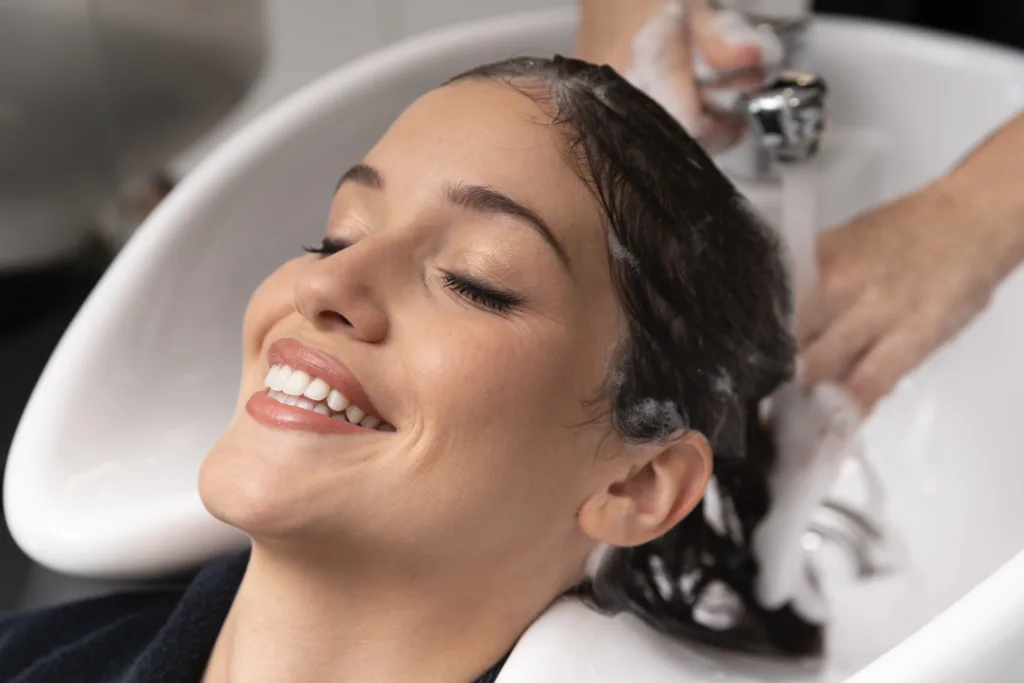
During the rainy season, the increased humidity can make your hair greasy and lead to the buildup of oil and dirt on your scalp.
It’s crucial to keep your scalp clean, so regular hair washing is important. Use a light, sulfate-free shampoo to maintain your hair’s natural oils.
Washing your hair at least two to three times a week helps remove dirt and keeps your scalp clean and healthy.
Additionally, regular combing can help distribute natural oils evenly and prevent tangles.
Thorough Drying
After washing your hair, it’s crucial to dry it thoroughly. Wet hair attracts dirt and pollution, which can lead to scalp infections. Use a clean, dry towel to gently remove excess water.
Be careful not to over-dry, as this can cause hair breakage. If you can, let your hair air-dry naturally. If you need to use a hairdryer, opt for a cool setting to avoid heat damage.
2. Importance of Conditioning
Deep Conditioning
To maintain hair hydration and prevent fallouts in the rainy season, regular deep conditioning is essential.
Use a good-quality conditioner each time you shampoo, applying it generously to the lengths and ends of your hair while avoiding the scalp.
Let the conditioner rest on your hair for a few minutes before rinsing it out completely. Additionally, incorporate a weekly deep conditioning hair mask into your routine to lock in moisture.
This regimen helps nourish your hair, keeping it strong and less prone to damage from the weather.
Leave-in Conditioner
Leave-in conditioner becomes essential during the rainy season. It effortlessly detangles hair while providing essential moisture, which helps prevent hair fall.
To use, apply a small amount of leave-in conditioner to damp hair, ensuring even distribution with a comb.
This keeps your hair smooth, soft, and well-maintained throughout the day, shielding it from the frizz and humidity often encountered during rainy weather.
3. Protect Your Hair from Rainwater
Cover Your Hair

Rainwater contains acidic elements and pollutants that can damage your hair. To protect your hair from getting wet in the rain, always carry an umbrella or wear a hat.
If your hair does get wet, wash it promptly to remove the harmful moisture and reduce the risk of hair fall.
This simple practice helps maintain the health of your hair by minimizing exposure to damaging elements and ensuring it stays clean and strong during the rainy season.
If your hair also comes in contact with hard water at home, the combination can make dryness and frizz even worse. Learn more about Hard Water and Hair and how to protect your strands
Rinse After Getting Wet
If your hair gets wet from the rain, promptly rinse it with clean water. This helps wash away pollutants and reduces the risk of scalp infections.
Follow up with a mild shampoo and conditioner to keep your hair clean and hydrated. This routine ensures your hair stays healthy and protected from the adverse effects of rainwater.
4. Combat Frizz
Anti-Frizz Products
Frizz is a frequent issue during the rainy season due to high humidity. To keep your hair smooth and manageable, consider using anti-frizz serum, hair cream, or hair spray.
These products form a protective barrier that prevents moisture from penetrating the hair, helping to reduce frizz and minimize hair fall.
By incorporating these into your hair care routine, you can maintain soft, well-kept hair despite the challenges posed by humid weather.
Natural Oils
Natural oils such as argan, coconut, and jojoba can effectively control frizz. Combine these three oils, place a few drops on your palms, and then gently rub your hands through your hair, focusing on the ends where dryness is more likely to occur.
These oils not only reduce frizz but also add shine and to your hair. By regularly using this oil blend, you can maintain smoother, healthier hair despite the humidity.
If you’re unsure which oil is best for your hair type, check out our guide to the Top 3 Natural Oils Oils for Hair to explore simple options for healthier, smoother-looking hair.
5. Avoid Excessive Styling
Limit Heat Styling
Excessive use of heat styling tools like hair dryers, straighteners, and curling irons can damage your hair, making it more susceptible to frizz and breakage.
During the monsoon, try to limit the use of these tools. Apply heat protectant before using heat styling.
Opt for simple hairstyles that require minimal styling.
Braids, buns, and ponytails are great options to keep your hair neat and protected from humidity. These hairstyles also help prevent tangling and breakage.
6. Healthy Diet and Hydration
Balanced Diet

Eating a nutritious diet is crucial for maintaining strong and shiny hair. Include a variety of fruits, vegetables, nuts, and seeds in your meals.
Foods rich in vitamins A, C, E, and biotin, such as carrots, spinach, and eggs, are particularly beneficial for hair health.
Omega-3 fatty acids, found in flaxseed, fish, and walnuts, also play a crucial role in maintaining healthy hair.
By incorporating these nutrient-rich foods into your diet, you can support your hair’s strength and shine.
Stay Hydrated
Staying adequately hydrated is important for overall health, particularly during hot and humid weather.
Drink fluids regularly throughout the day according to your thirst, activity level, and climate. However, drinking extra water does not directly make hair grow faster.
For healthy hair growth, focus on an overall balanced diet that provides adequate protein, vitamins, minerals, and healthy fats.
7. Use a Wide-Tooth Comb
Choose the Right Comb
Opt for a wide-tooth comb. It’s gentle on your hair and helps detangle without causing damage.
Start from the Ends
Begin combing from the tips of your hair and gradually work your way upward. This minimizes breakage and prevents knots.
Avoid Fine Tooth Combs and Brushes
Fine-tooth combs and brushes can be harsh on wet hair. Stick to wide-tooth combs to keep your locks healthy.
Remember, a little care goes a long way in maintaining beautiful, tangle-free hair
Comb Gently
Be gentle while combing your hair to prevent unnecessary stress on your strands. Pulling or tugging at your hair can lead to breakage and hair fall.
If you encounter stubborn tangles, apply a leave-in conditioner or a detangling spray to ease the process.
If you prefer a natural option, a wooden comb can be a
gentle choice for everyday detangling. Its wider teeth can help loosen knots
without excessive pulling when used carefully.
If you’re considering switching
from a plastic comb, learn more about the benefits of using a wooden comb for
hair before choosing one that suits your hair type.
8. Keep Your Scalp Healthy During the Monsoon
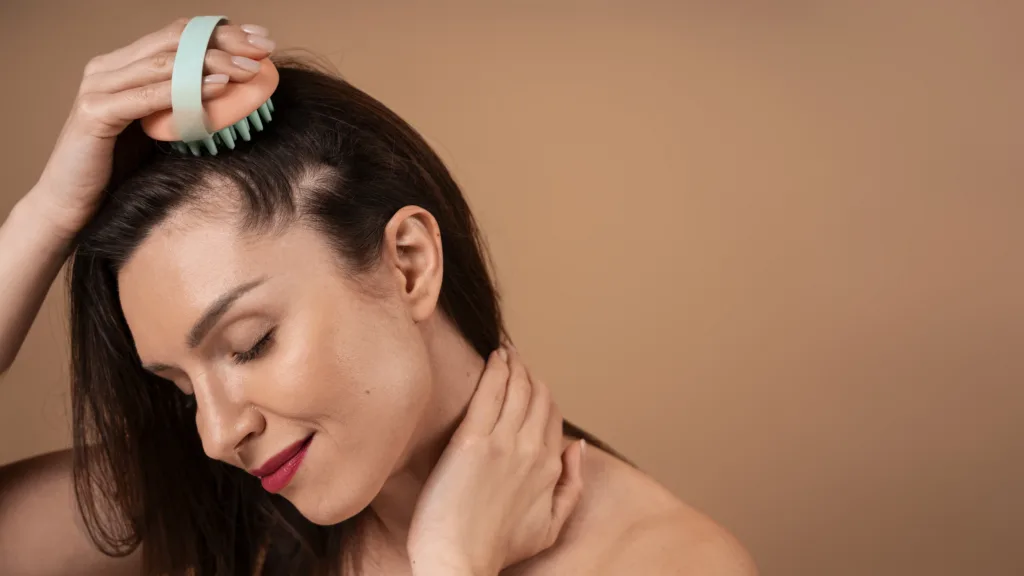
Gentle Scalp Massage
A gentle scalp massage can be a soothing way to add a little extra care to your regular hair routine.
Use your fingertips to massage the scalp with light, circular movements for a few minutes. Avoid scratching or applying excessive pressure, especially if your scalp is itchy or irritated.
Keep Your Scalp Clean
Humidity and sweating can make the scalp feel oily and uncomfortable during the monsoon. Wash your scalp according to your hair type and how quickly it becomes oily or sweaty.
A clean scalp can also help prevent excess buildup from sweat, oil, and hair products.
Pay Attention to Dandruff and Itching
If you notice persistent dandruff, itching, redness, or flaking, do not rely on harsh scrubs or excessive oiling.
An appropriate anti-dandruff shampoo may help manage dandruff, while persistent or severe scalp symptoms may require advice from a dermatologist.
9. Limit Heat and Harsh Chemical Treatments
Frequent use of straighteners, curling irons, bleaching, permanent straightening, relaxing, and repeated coloring can weaken the hair shaft and increase the risk of dryness and breakage.
During the monsoon, try to minimize unnecessary chemical and heat treatments. If you use a heat-styling tool, apply a heat protectant and use the lowest effective temperature.
Choose simple hairstyles that do not require excessive styling. Loose braids, low ponytails, or other comfortable hairstyles can help reduce tangling while keeping your hair manageable in humid weather.

About the Author
Hi, I’m Shashi, founder of Natural Hair Growth. I write evidence-based articles on hair growth, scalp care, and natural remedies to help readers build healthier hair care routines. Read More About Shashi