
Table of Contents
ToggleCan Hard Water Cause Hair Loss: Introduction
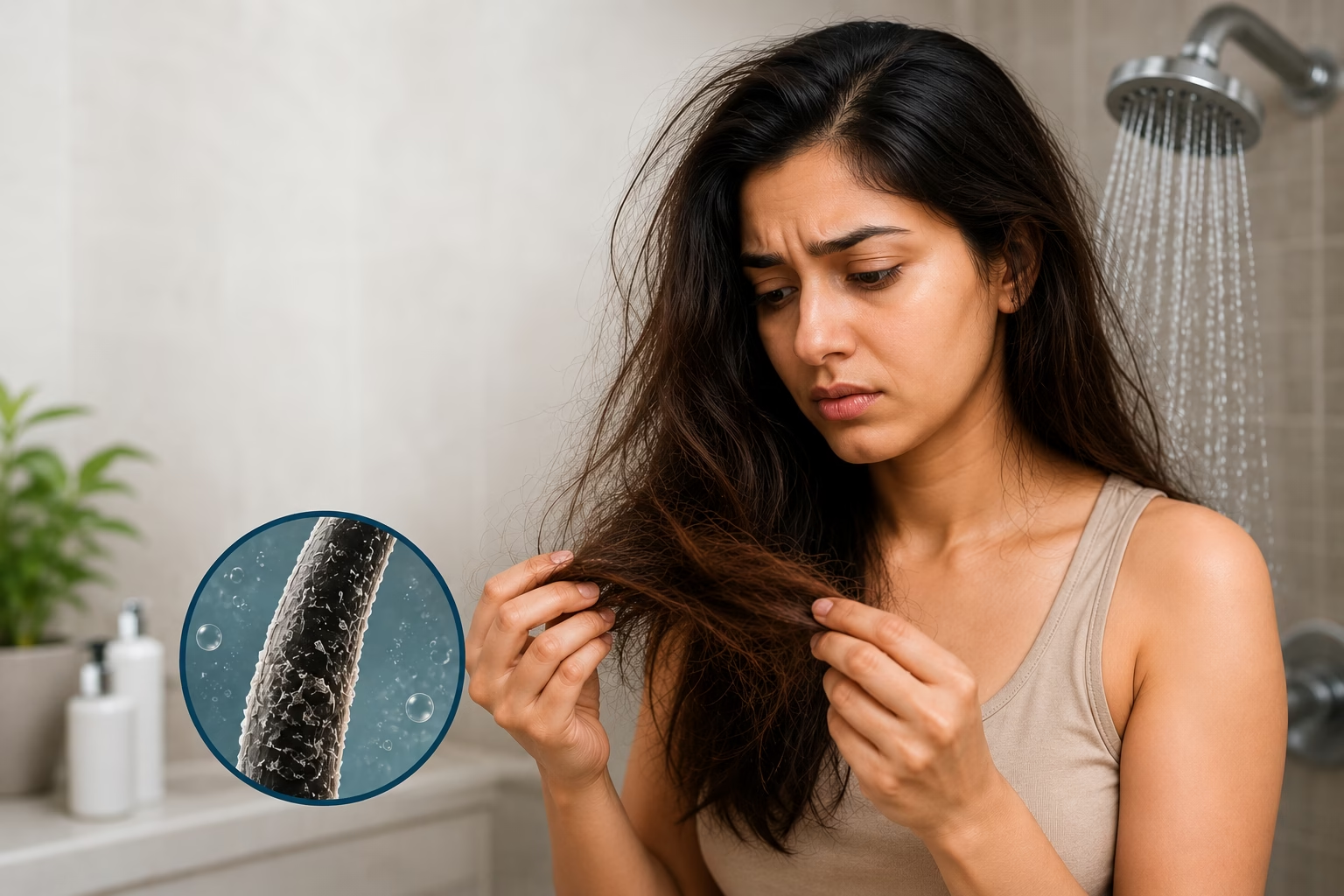
Most of us blame stress, diet, or the wrong shampoo when we notice extra hair fall. But there’s one everyday factor that often goes unnoticed—the water flowing from our tap.
If your hair has started feeling rough, lifeless, or more difficult to manage after washing, hard water could be playing a bigger role than you realize.
While hard water doesn’t directly cause permanent hair loss, the minerals it contains can affect your hair’s texture, increase breakage, and leave your scalp feeling less healthy over time.
Understanding this difference is important because hair breakage and hair loss are often confused.
In this article, we’ll answer the common question, Can hard water cause hair loss?
We’ll also discuss the signs of hard water damage, how it affects your hair, and simple ways to protect your hair without making your routine complicated.
Quick Answer:
Hard water does not directly cause permanent hair loss. However, the minerals present in hard water can leave a buildup on the hair and scalp, leading to dryness, increased breakage, and dull-looking hair.
Over time, this may make your hair appear thinner, even though it is mainly due to hair breakage rather than actual hair loss.
Can Hard Water Cause Hair Loss?
The short answer is no. There’s no strong scientific evidence that hard water directly causes permanent hair loss or damages hair follicles.
However, it can affect your hair’s condition, making it look dry, dull, and less healthy. Hard water naturally carries higher amounts of minerals such as calcium and magnesium.
With regular washing, these minerals can build up on your hair and scalp, making it harder for moisture to reach the hair.
As a result, hair may become dry, rough, and more likely to break. Many people mistake this breakage for hair loss.
While some daily shedding is completely normal, frequent breakage can make your hair appear thinner and reduce its overall volume.
If you also use heat styling tools or chemical treatments, the damage may become more noticeable.
So, while hard water is unlikely to cause permanent hair loss, it can weaken your hair over time.
Reducing mineral buildup and keeping your hair well moisturized can help protect it and improve its overall health.
How Does Hard Water Affect Your Hair?
Hard water doesn’t change your hair overnight, but using it regularly may gradually affect the way your hair looks and feels.
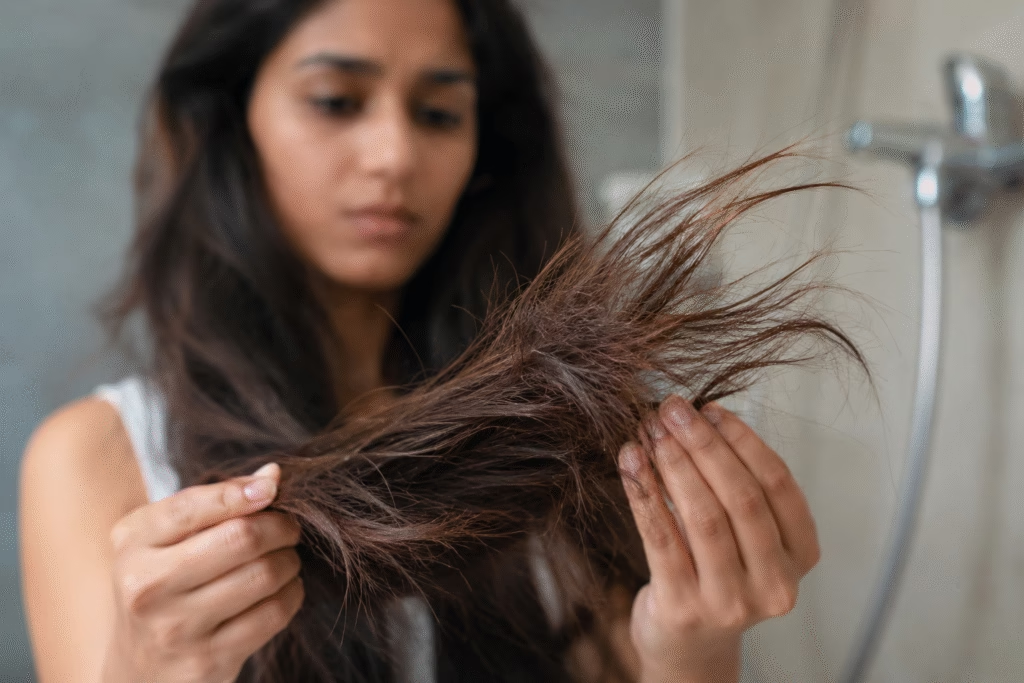
The minerals present in hard water can build up on the surface of the hair, making it harder for moisture and hair care products to work effectively.
As a result, your hair may start feeling dry, dull, or difficult to manage.This mineral buildup can also make the hair strands less flexible.
When hair loses its softness, it becomes more likely to break while combing, brushing, or styling. Some people may also notice more tangles, frizz, or split ends.
In addition, leftover minerals on the scalp may make it feel dry or irritated in some cases, although this doesn’t happen to everyone.
It’s important to understand that hair breakage is different from hair loss. Hard water is more likely to weaken the hair shaft than damage the hair follicles.
That’s why many people feel their hair is getting thinner, even though the main issue is increased breakage rather than permanent hair loss.
What Research Says?
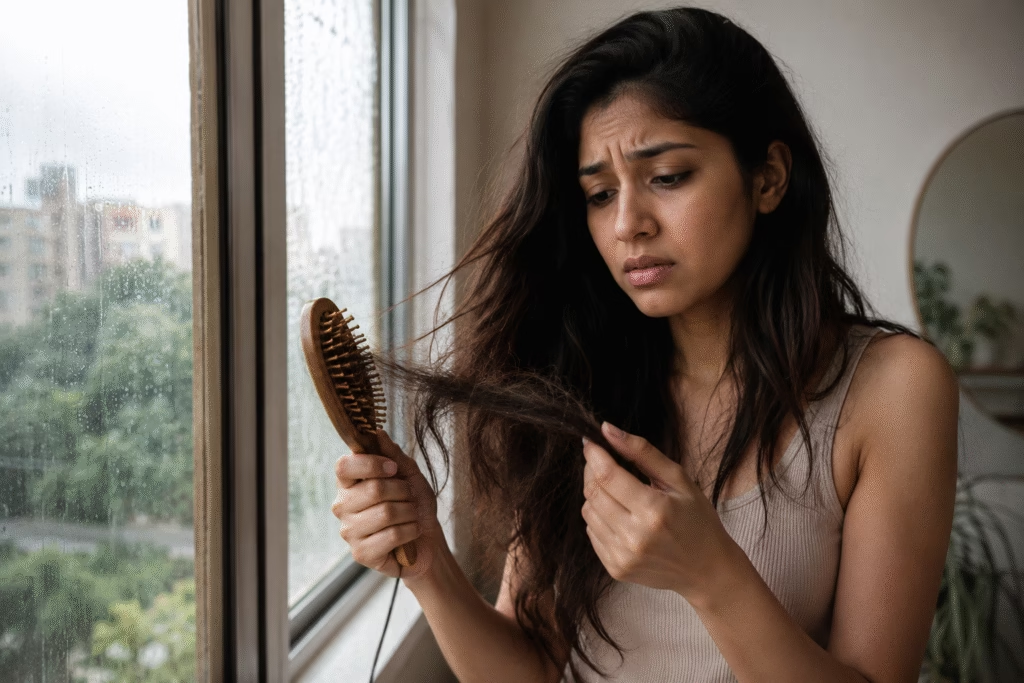
Research suggests that hard water is more likely to affect the condition of your hair than the health of your hair follicles.
A published review in PubMed Central (PMC), “Effects of Hard Water on Hair,” concluded that more well-designed studies are needed before a direct link between hard water and hair loss can be confirmed.
The minerals in hard water can build up on your hair, making it feel dry, rough, dull, and easier to break.
While this breakage may make your hair appear thinner, there is no strong scientific evidence that hard water directly causes permanent hair loss.
A review on the Effects of Hard Water on Hair also found that more high-quality research is needed to confirm a direct connection between hard water and hair loss.
In many cases, ongoing hair loss is linked to other factors, such as genetics, hormonal changes, stress, poor nutrition, thyroid problems, certain medical conditions, or some medications.
If you notice excessive hair shedding or continuous thinning that doesn’t improve with a good hair care routine, it’s best to consult a dermatologist to find the underlying cause.
Signs Your Hair Is Affected by Hard Water
Hard water damage usually develops gradually, so you may not notice it right away. If minerals build up on your hair over time, your hair may start to feel dry, rough, or less soft after washing.
You might also notice that it looks dull instead of shiny, becomes more tangled, and is harder to comb or style.
Since mineral deposits can reduce moisture, your hair may become frizzy, develop split ends, and break more easily during brushing or styling.
Some people also find that their shampoo doesn’t lather as well in hard water, while the scalp may occasionally feel dry or itchy.
Although these signs don’t always mean hard water is the only cause, they may indicate that mineral buildup is affecting the overall health and appearance of your hair.
Which Hair Types Are Most Affected by Hard Water?
Hard water can affect anyone, but some hair types are more likely to show signs of damage.
Curly and dry hair
These hair types naturally need more moisture. Mineral buildup can make them feel even drier, frizzier, and harder to manage.
Color-treated or chemically treated hair
Hair that has been colored, bleached, or chemically treated is usually more porous. This makes it easier for moisture to escape, increasing the risk of dryness and breakage.
Fine hair
Mineral deposits can weigh fine hair down, making it look flat and reducing its natural volume.
Long hair
Since the ends have been exposed to hard water for a longer time, they are more likely to develop tangles, split ends, and breakage.
If your hair falls into any of these categories, using moisturizing hair care products and reducing mineral buildup can help keep it healthier and easier to manage
Simple Ways to Reduce Hard Water Damage to Your Hair
You may not have control over the type of water in your home, but a few simple changes to your hair care routine can help reduce the impact of hard water on your hair.
These tips can help minimize mineral buildup, keep your hair hydrated, and reduce breakage over time.
Install a Shower Filter
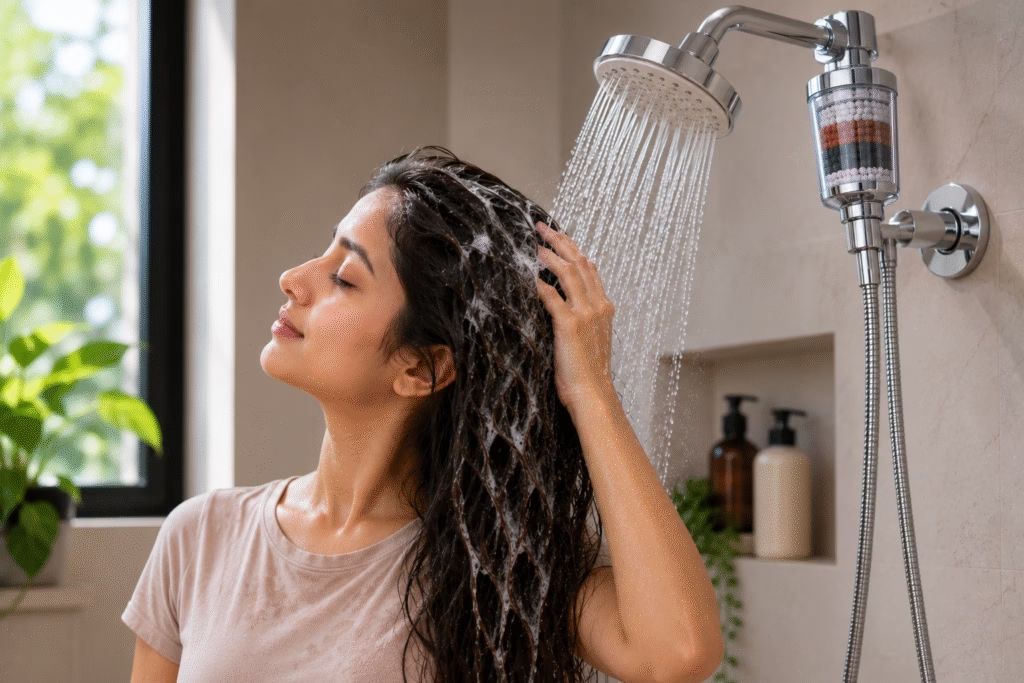
Installing a shower filter is one way to reduce the amount of mineral residue that comes into contact with your hair.
While it won’t completely remove hard water minerals, it can help reduce buildup and leave your hair feeling softer, cleaner, and more manageable.
Use a Clarifying Shampoo
Occasionally Mineral deposits can build up on your hair over time, making it look dull and feel heavy. Using a clarifying shampoo once or twice a month can help remove this buildup. Avoid using it too often, as it may dry out your hair.
Deep Condition Your Hair Weekly
Using a deep conditioning mask once a week can replenish lost moisture, leaving your hair softer, smoother, and easier to manage. It can leave your hair feeling softer, smoother, and easier to manage while reducing dryness and breakage.
Apply a Leave-in Conditioner
Applying a leave-in conditioner after every wash helps lock in moisture, making your hair softer, smoother, and easier to style. It can also help reduce frizz, improve manageability, and make detangling easier.
Apply Hair Oil Before Washing
Massaging a lightweight oil, such as coconut oil or argan oil, into your hair before shampooing can create a protective layer that helps reduce moisture loss during washing.
Rinse with Filtered Water Occasionally
If possible, give your hair a final rinse with filtered or purified water. This may help wash away leftover mineral residue and leave your hair feeling softer.
Avoid Washing Your Hair Too Frequently
Frequent washing can increase dryness, especially if you have hard water. Wash your hair only as often as needed to help maintain its natural moisture.
Limit Heat Styling
Using hair dryers, straighteners, or curling irons too often can make already dry hair more fragile. Whenever possible, let your hair air-dry or use heat styling tools on a low temperature.
Trim Split Ends Regularly
Regular trims help remove damaged ends before they split further up the hair shaft. Trimming your hair every 6–8 weeks can keep it looking healthier and reduce the appearance of damage.

Natural Remedies for Hard Water Hair
Coconut Oil
Applying coconut oil before washing your hair can help reduce moisture loss and protect your hair from becoming dry and brittle. You can also read our guide on Coconut Oil for Hair Growth for more tips.
Aloe Vera Gel
Fresh aloe vera gel helps soothe the scalp and adds natural moisture, making hair feel softer after washing with hard water. Learn more in our article on Aloe Vera for Hair Growth.
Argan Oil
A few drops of argan oil on damp hair can help reduce frizz, improve shine, and make your hair easier to manage after exposure to hard water.
Rosemary Oil
When diluted with a carrier oil, rosemary oil can support a healthy scalp and strengthen your hair as part of your regular hair care routine. Check out our Rosemary Oil for Hair Growth guide for safe usage.
Honey Hair Mask
Mixing honey with yogurt or aloe vera gel creates a simple moisturizing hair mask that can help restore softness and reduce dryness caused by hard water.
Apple Cider Vinegar Rinse
An apple cider vinegar rinse may help remove some mineral buildup and restore your hair’s natural shine.
- Always dilute 1–2 tablespoons of apple cider vinegar in 1 cup of water.
- Use it after shampooing, avoid contact with your eyes.
- Limit use to once every 1–2 weeks to prevent over-drying.

Common Mistakes to Avoid
If you have hard water, a few simple habits can make your hair feel even drier:
- Avoid washing your hair with very hot water, as it can strip away natural moisture.
- Don’t skip conditioner, because it helps keep your hair soft and manageable.
- While a clarifying shampoo is useful, using it too often may dry out your hair.
- Be gentle when brushing wet hair to prevent breakage.
- Don’t ignore scalp care, as a healthy scalp supports healthy hair.
- Finally, try to limit heat styling or always use a heat protectant to reduce further damage.
Final Thoughts
Hard water is unlikely to be the direct cause of permanent hair loss, but it can leave your hair feeling dry, dull, and more prone to breakage over time.
The good news is that simple changes, such as using the right hair care products and reducing mineral buildup, can help keep your hair healthier and easier to manage.
If you continue to notice excessive hair shedding or significant thinning, it’s best to consult a dermatologist to identify any underlying causes and get the right treatment
Frequently Asked Questions
Can hard water cause dandruff?
Hard water does not directly cause dandruff, but mineral buildup can leave the scalp feeling dry and irritated. This may make existing dandruff or flaking more noticeable.
Is hard water bad for colored hair?
Yes. Hard water minerals can make color-treated hair look dull and may cause the color to fade more quickly. Using a color-safe shampoo and deep conditioner can help protect your hair.
Can hard water slow hair growth?
Hard water does not directly slow hair growth. However, mineral buildup can make hair dry, weak, and more likely to break, which may make it seem like your hair is growing more slowly.
Is a shower filter worth buying?
A shower filter can be a good option if you regularly wash your hair with hard water. While it may not remove every mineral, it can reduce some impurities and improve how your hair feels over time.
Can Hair Recover from Hard Water Damage, and How Long Does It Take?
The time varies depending on the condition of your hair. With a consistent hair care routine, many people notice healthier-looking hair within 4 to 8 weeks, although severely damaged hair may take longer.

About the Author
Hi, I’m Shashi, founder of Natural Hair Growth. I write evidence-based articles on hair growth, scalp care, and natural remedies to help readers build healthier hair care routines. Read More About Shashi