
Table of Contents
ToggleStatic Hair Manage Naturally- Overview
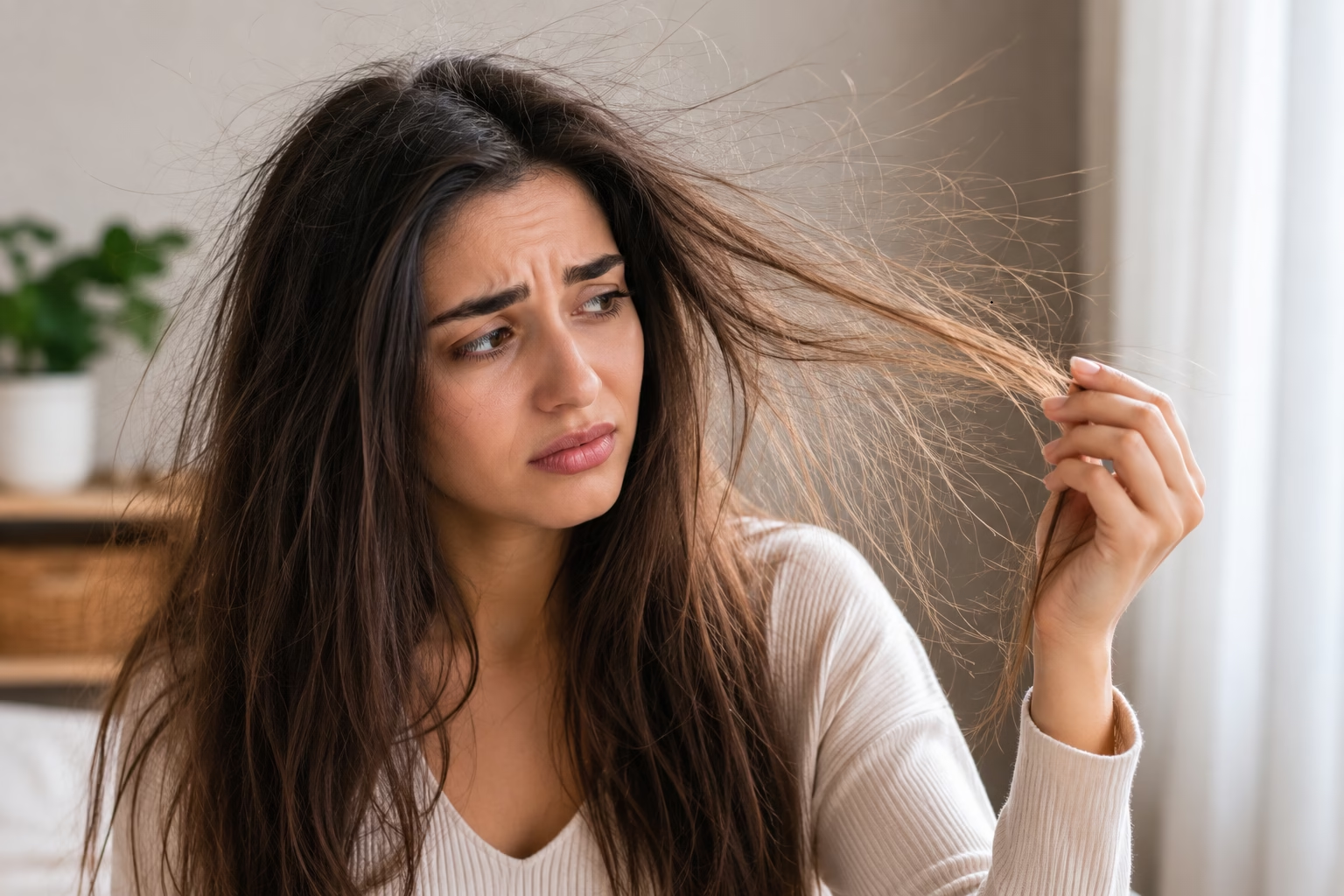
Does your hair suddenly stand up or stick to your face every time you brush it? Static hair is a common problem, especially during winter or in dry climates.
It happens when your hair loses moisture and builds up electrical charges. Fortunately, you can reduce static naturally without relying on expensive anti-frizz products.
In this guide, you’ll learn why static hair happens and seven simple ways to keep your hair smooth, soft, and manageable.
Understanding the Causes of Static Hair
Static hair usually happens when your hair becomes dry and loses moisture. However, dry weather is not the only reason.
Several everyday habits and environmental factors can increase static, making your hair difficult to manage.
Understanding the real cause can help you choose the right solution and prevent the problem from coming back.
Dry Weather
Cold winter air or dry climates contain very little moisture. As the air becomes drier, your hair also loses moisture, making it easier for static electricity to build up.
This is why many people notice more fly aways during the winter months.
Low Humidity
Low humidity means there isn’t enough moisture in the air to keep your hair hydrated.
Dry hair strands easily develop an electrical charge when they rub against clothing, hats, or hairbrushes, causing them to stand up or stick together.
Over washing Your Hair
Washing your hair too often can strip away its natural oils. These oils help protect your hair and keep it moisturized.
Without them, your hair becomes dry, rough, and more likely to develop static.
Heat Styling
Regular use of blow dryers, straighteners, and curling irons can remove moisture from your hair.
Excessive heat weakens the hair cuticle, leaving your strands dry, frizzy, and more prone to static electricity.
Using Plastic Combs or Brushes
Plastic combs and brushes create more friction while brushing your hair. This friction can generate static electricity, causing your hair to become frizzy and difficult to control.
Using a wooden comb or a natural boar bristle brush is a better option because they create less static.
Wearing Synthetic Hats or Clothing
Materials such as polyester, nylon, and acrylic create friction when they come into contact with your hair.
During colder months, wearing synthetic hats, scarves, or sweaters can make static hair even worse.
Damaged Hair
Hair that is damaged by chemical treatments, bleaching, frequent coloring, or excessive heat styling often has a rough outer layer.
This damaged surface loses moisture quickly and makes static buildup more common.
Hair Lacking Moisture
Hair that doesn’t receive enough hydration is naturally more likely to become static.
Skipping conditioner, using harsh shampoos, or not applying nourishing oils can leave your hair dry and more vulnerable to fly aways.
By identifying the cause of your static hair, you can make small changes to your hair care routine that help keep your hair smoother, softer, and easier to manage throughout the year.
Hydrate Your Hair with the Power of Moisture

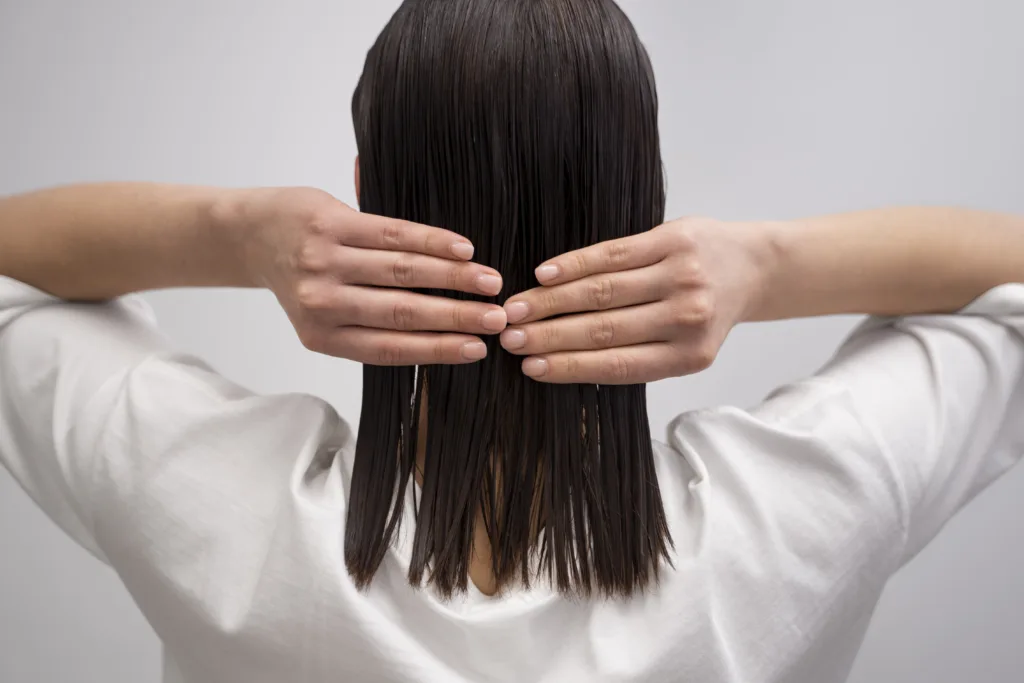
One of the most effective ways to combat static hair is by keeping your locks well-hydrated.
Invest in a high-quality moisturizing shampoo and conditioner formulated to nourish and hydrate your hair.
Look for ingredients like coconut oil, shea butter, and glycerin, which help lock in moisture and prevent static buildup.
Additionally, consider using a hydrating hair mask once a week to give your locks an extra boost of moisture.
Upgrade Your Hairbrush
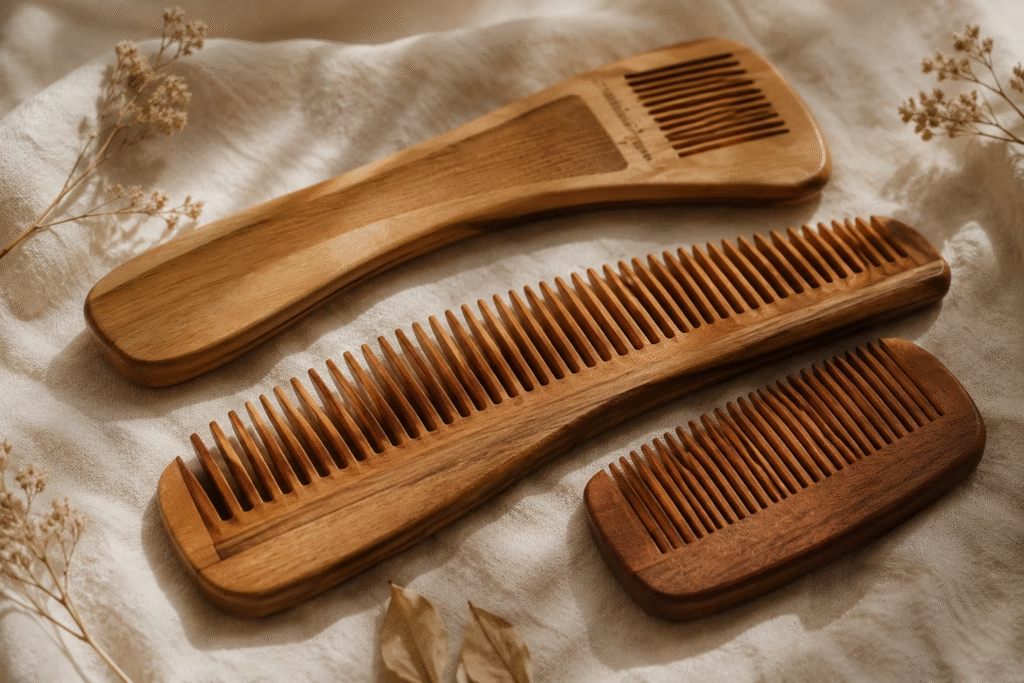
Believe it or not, your choice of hairbrush can make a significant difference in combating static hair.
Swap out your plastic or metal brushes for one made from natural materials like boar bristle or wood.
These materials help distribute natural oils throughout your hair, reducing friction and static buildup.
Additionally, opt for a wide-tooth comb when styling wet hair to prevent breakage and minimize static.
Embrace the Magic of Natural Oils

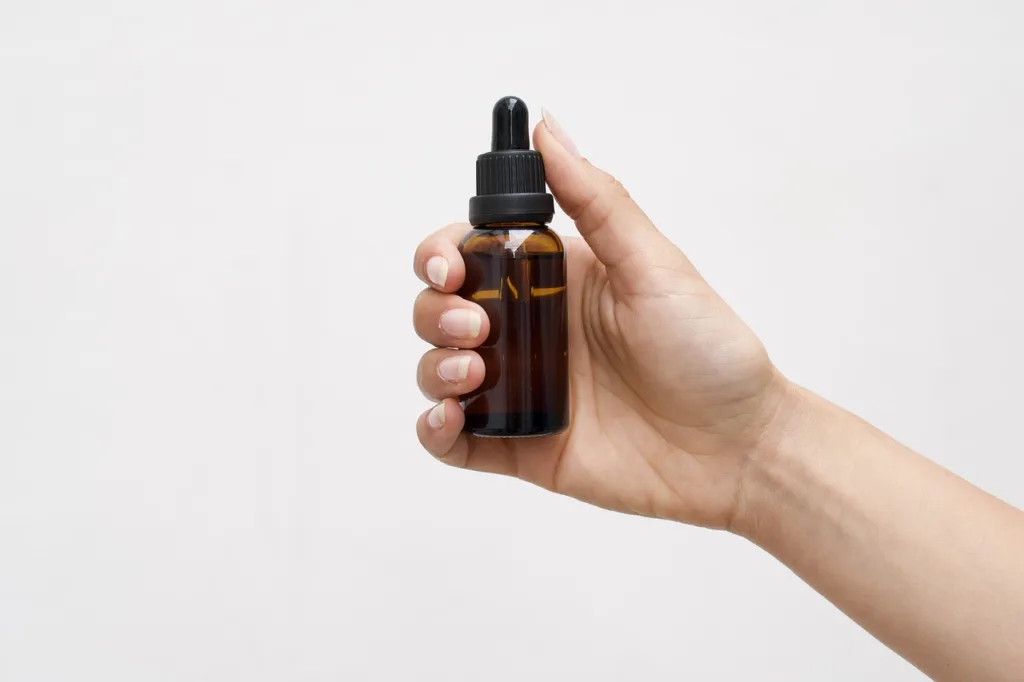
Natural oils are a fantastic remedy for static hair, providing deep hydration and nourishment without weighing down your strands.
Opt for lightweight oils like argan oil, jojoba oil, or almond oil, and apply a small amount to the ends of your hair to tame flyaways and smooth down static.
Not only do natural oils combat static, but they also leave your hair feeling soft, shiny, and rejuvenated.
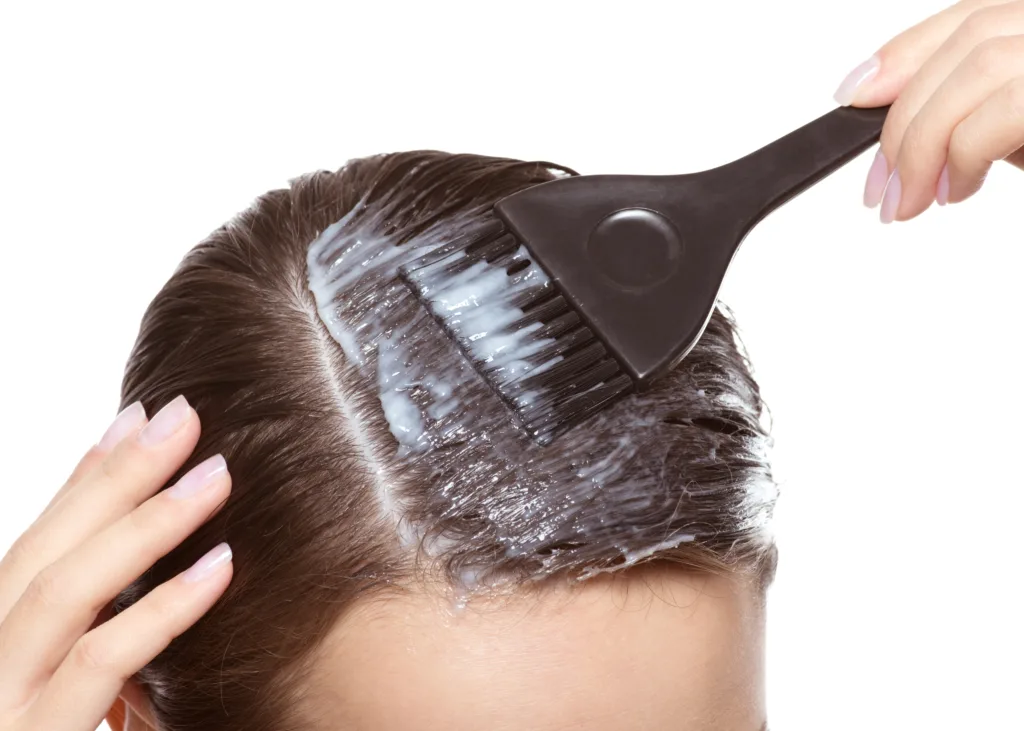
Natural Hair Mask

Nature provides us with a wealth of remedies for static hair. Ingredients like aloe vera, chamomile, and green tea can help soothe the scalp and moisturize the hair, reducing static and leaving your locks feeling soft and silky.
Certainly! Here are five hair mask recipes to help combat static hair:
Coconut Oil and Honey Hair Mask
Ingredients
- 2 tablespoons coconut oil
- 1 tablespoon honey
Instructions
- Mix the coconut oil and honey together in a bowl until well combined.
- Apply the mixture to damp hair, focusing on areas prone to static.
- Keep the mask on your hair for 30 to 60 minutes.
- Rinse thoroughly with lukewarm water and shampoo as usual.
Aloe Vera and Olive Oil Hair Mask
Ingredients
- 1/4 cup aloe vera gel
- 2 tablespoons olive oil
Instructions
- Combine the aloe vera gel and olive oil in a bowl.
- Apply the mixture to clean, damp hair, paying attention to areas with static.
- Keep the mask on your hair for 30 to 60 minutes.
- Rinse out with cool water and shampoo as usual.
Yogurt and Banana Hair Mask
Ingredients
- 1 ripe banana
- 1/4 cup plain yogurt
Instructions
- Crush the ripe banana in a bowl until it’s creamy.
- Mix in the plain yogurt until well combined.
- Apply the mixture to damp hair, focusing on static-prone areas.
- Leave the mask on for 30 minutes.
- Rinse out with lukewarm water and shampoo as usual.
These hair mask recipes are rich in moisturizing ingredients that can help hydrate your hair, reducing static and leaving your locks looking smooth and shiny.
Incorporate these masks into your hair care routine once or twice a week for best results
Humidify Your Environment

As mentioned earlier, dry air is a significant contributor to static hair. Combat dryness by humidifying your environment, especially during the winter months or in centrally heated spaces.
Use a humidifier to add moisture to the air, keeping your hair hydrated and static-free. Alternatively, place bowls of water near radiators or heaters to increase humidity levels naturally.

Silk Pillowcases

Getting yourself a silk pillowcase can truly transform your battle with static hair. Unlike cotton or polyester, silk pillowcases cause less friction, which means less static buildup while you sleep.
This simple switch can leave your hair looking effortlessly smooth and sleek when you wake up in the morning, making it worth the investment for a fuss-free hair routine.
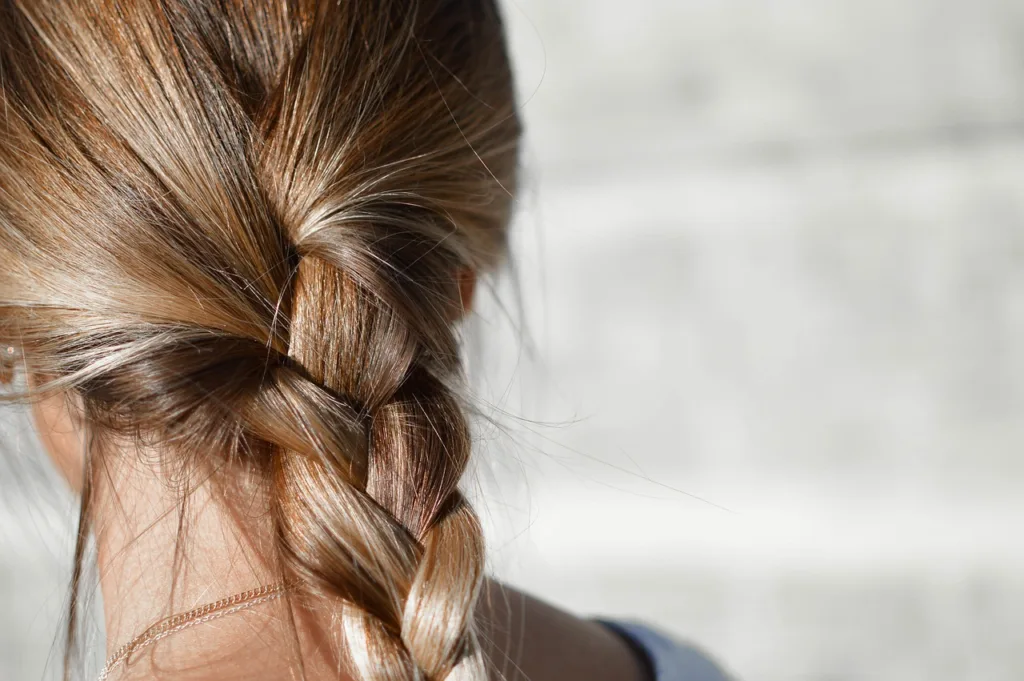
Static-Defying Hairstyles

When all else fails, opt for hairstyles that minimize static and keep your hair under control. Sleek ponytails, braids, and buns are great options for taming flyaways and preventing static buildup.
Use a lightweight styling product like a smoothing serum or anti-frizz cream to tame any stubborn strands and keep your style in place.
If dry hair is causing static, natural oils can help restore moisture.
Learn how Olive Oil for Hair Growth and Castor Oil for Hair Growth may support healthier, smoother hair.
You might also find our guide on the Benefits of Using a Wooden Comb for Hair helpful.

Additional Resources
If you’d like to learn more about preventing static hair and keeping your hair healthy, these trusted resources may be helpful:
- The Benefits of Using a Humidifier in Your Home – Learn how adding moisture to the air can help reduce dryness, which is one of the common causes of static hair.
- Benefits of a Silk Pillowcase – Discover how sleeping on a silk pillowcase may help reduce friction, prevent frizz, and keep your hair smoother.
Final Thoughts
Say goodbye to static hair woes with these seven genius methods to naturally tame frizzy locks.
By hydrating your hair, upgrading your hairbrush, embrace the magic of natural oils staying hydrated.
Also choosing the right fabrics, humidifying your environment, and opting for static-defying hairstyles, you can achieve smooth, silky hair that’s free from static electricity.
Incorporate these tips into your daily hair care routine, and say hello to a frizz-free mane..
Hair Care Tip: Based on my experience researching natural hair care remedies, keeping hair hydrated and reducing friction are the two most effective ways to control static hair naturally.
Every hair type responds differently, but following a healthy hair care routine regularly can help reduce static and improve overall hair health over time.
Frequently Asked Questions
Can I use herbal remedies on colored hair?
Yes, many herbal remedies are safe to use on colored hair. However, it’s always best to do a patch test first to ensure you don’t have any adverse reactions.
Will sleeping on a silk pillowcase help reduce static?
Yes, silk pillowcases create less friction than cotton or polyester, reducing the likelihood of static and leaving your hair looking smooth and sleek in the morning.
What is the expected timeframe for observing outcomes from these solutions?
Results may vary depending on your hair type and the severity of your static. However, with consistent use of these natural remedies, you should start to see improvements within a few weeks.

About the Author
Hi, I’m Shashi, founder of Natural Hair Growth. I write evidence-based articles on hair growth, scalp care, and natural remedies to help readers build healthier hair care routines. Read More About Shashi