
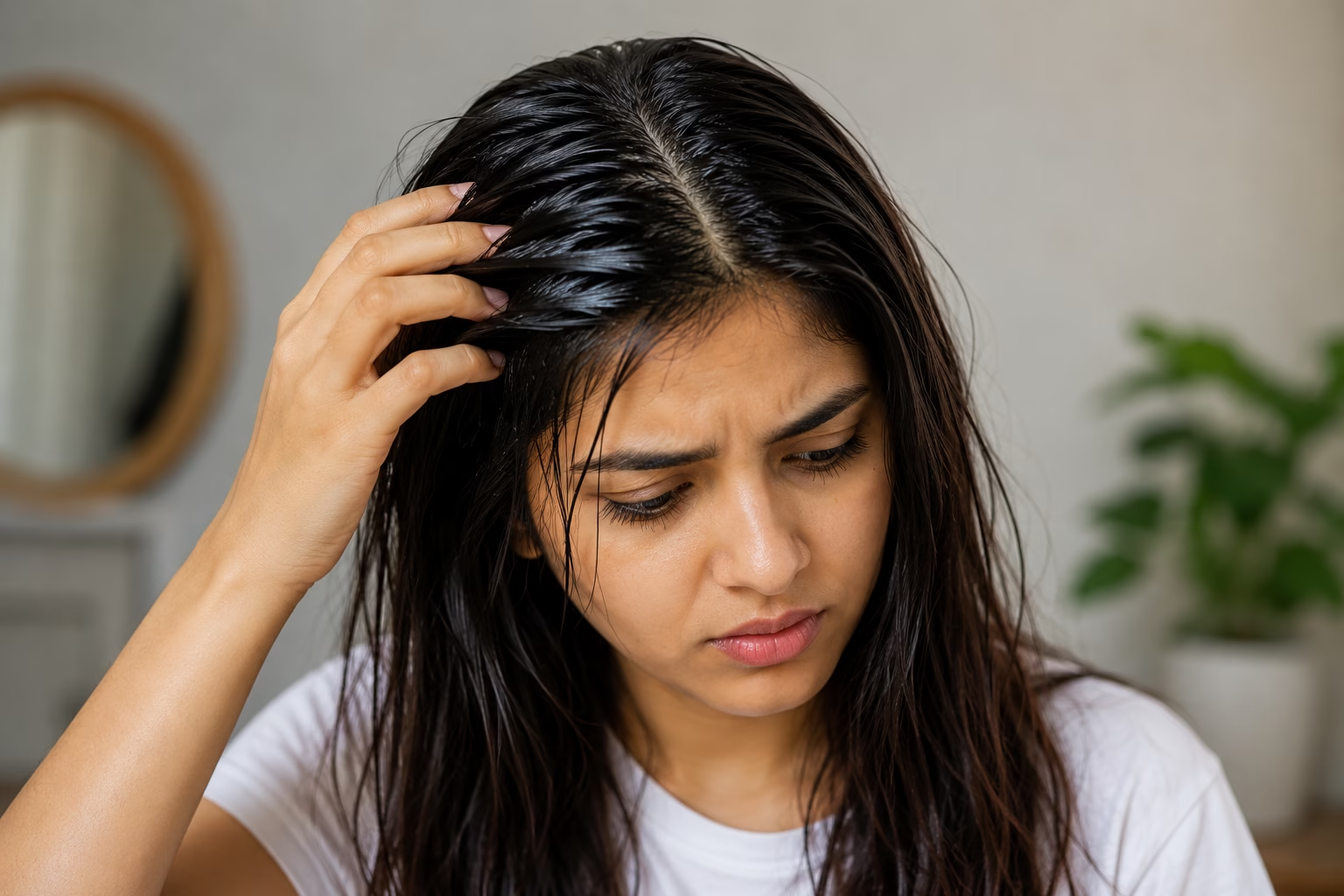
Greasy hair is primarily caused by the overproduction of sebum, a natural oil produced by the sebaceous glands in the scalp.
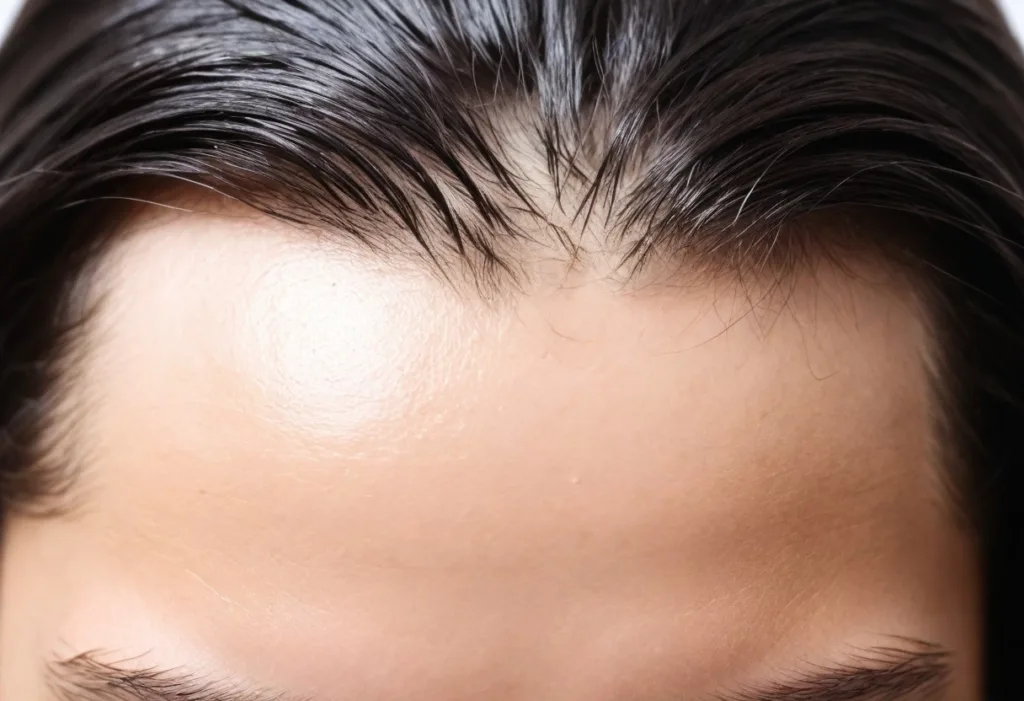
Several factors can contribute to this overproduction of sebum:
Hormonal Changes
When our hormones go on a rollercoaster ride, like during puberty, periods, pregnancy, or menopause, they can mess with how much oil our skin makes.
More androgens, like DHT, can kick our oil glands into overdrive, making our hair super oily.
Genetics
Genetics play a significant role in determining your hair type and oiliness. If you have a family history of oily hair or have inherited certain genetic traits, you may be more prone to greasy hair.
Stress
When we’re stressed out, our body releases hormones like cortisol, which can make our oil glands go into overdrive and produce more oil.
If you’re stressed all the time, it can make your hair even greasier as time goes on.
Diet
Consuming a diet high in greasy or fried foods, as well as refined carbohydrates and sugars, can contribute to oily scalp and hair.
Certain dietary factors can influence hormone levels and sebum production, leading to increased oiliness.
Over washing
It might seem strange, but washing your hair too much can actually make it even oilier.
That’s because it can take away the natural oils from your scalp, so it tries to make even more to make up for it.
Washing too often can mess up the balance of your scalp and make your hair even greasier.
Incorrect Hair Care Products
Using hair care products that are too heavy or contain harsh ingredients can contribute to greasy hair.
Heavy conditioners or styling products can weigh down the hair and make it appear greasier.
Environmental Factors
Environmental factors such as humidity, pollution, and exposure to harsh chemicals can also affect sebum production and contribute to greasy hair.
So, what can we do to combat greasy hair and reclaim our mane’s natural beauty?

Here are some tried-and-true tips to help you banish the grease and embrace luscious locks:
Wash with Care
While it may be tempting to wash your hair every day to get rid of excess oil, over-washing can actually strip your scalp of its natural oils, causing it to produce even more sebum.
Instead, try to wash your hair every other day or every few days using a gentle, sulfate-free shampoo.
Choose the Right Products
Choose hair products made just for oily hair. When you shop, check for shampoos and conditioners that say “clarifying” or “oil-balancing” on the bottle.
These can help control how much oil your scalp makes without making it dry.
Mind Your Scalp
When shampooing, focus on massaging the product into your scalp rather than lathering up the ends of your hair.
This will help to remove excess oil and product buildup from the roots, leaving your hair feeling clean and refreshed.
Rinse Thoroughly
After washing and conditioning your hair, be sure to rinse it really well. This helps get rid of any leftover product that could weigh down your hair and make it look greasy.
Keep rinsing until the water looks clean.
Go Easy on Styling Products
While styling products like mousses, gels, and serums can help tame frizz and add shine, they can also contribute to greasy hair if overused.
Dry Shampoo to the Rescue
On days when you don’t have time to wash your hair, dry shampoo can be a lifesaver. Simply spray or sprinkle it onto your roots, then massage it in to absorb excess oil and refresh your hair between washes.
Watch Your Diet
Believe it or not, your diet can also affect the health of your hair. Foods high in sugar and unhealthy fats can contribute to excess oil production.
So try to incorporate more fruits, vegetables, and lean proteins into your meals for a healthier scalp and mane.
By trying out these easy tips and changing up how you take care of your hair, you can wave goodbye to greasy hair troubles and welcome a fresh, healthy head of hair.
In addition, we also offer natural remedies that can help eliminate greasy hair naturally.
Thankfully, Mother Nature offers us loads of stuff that can control oil, clean our scalps, and bring back harmony to oily hair.
Whether it’s stuff from your kitchen or herbs from your garden, there are natural fixes that can make your hair less greasy and healthier.
Apple Cider Vinegar Rinse

- Apple cider vinegar is a potent natural remedy for greasy hair, thanks to its acidic properties that help balance the pH of the scalp.
- To use, dilute apple cider vinegar with water in a 1:1 ratio and pour it over your scalp after shampooing. Massage gently and rinse thoroughly.
Aloe Vera Gel Treatment
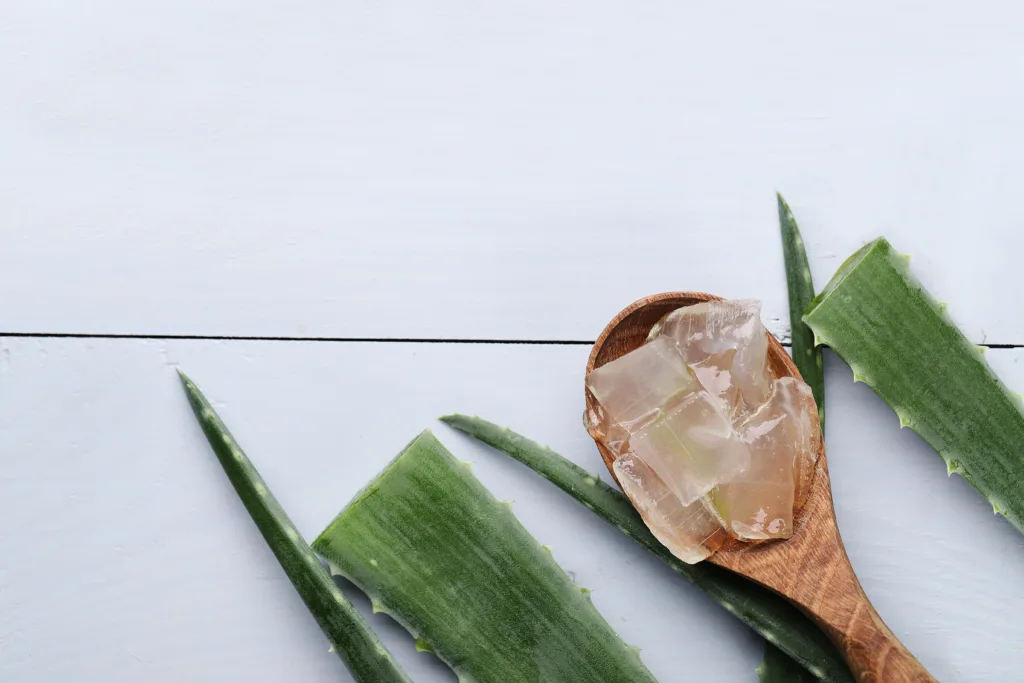
- Aloe vera is renowned for its soothing and moisturizing properties, making it an excellent choice for oily scalps.
- Apply fresh aloe vera gel directly to your scalp and hair, leave it on for 15-20 minutes, then rinse with lukewarm water.
Clay Hair Mask
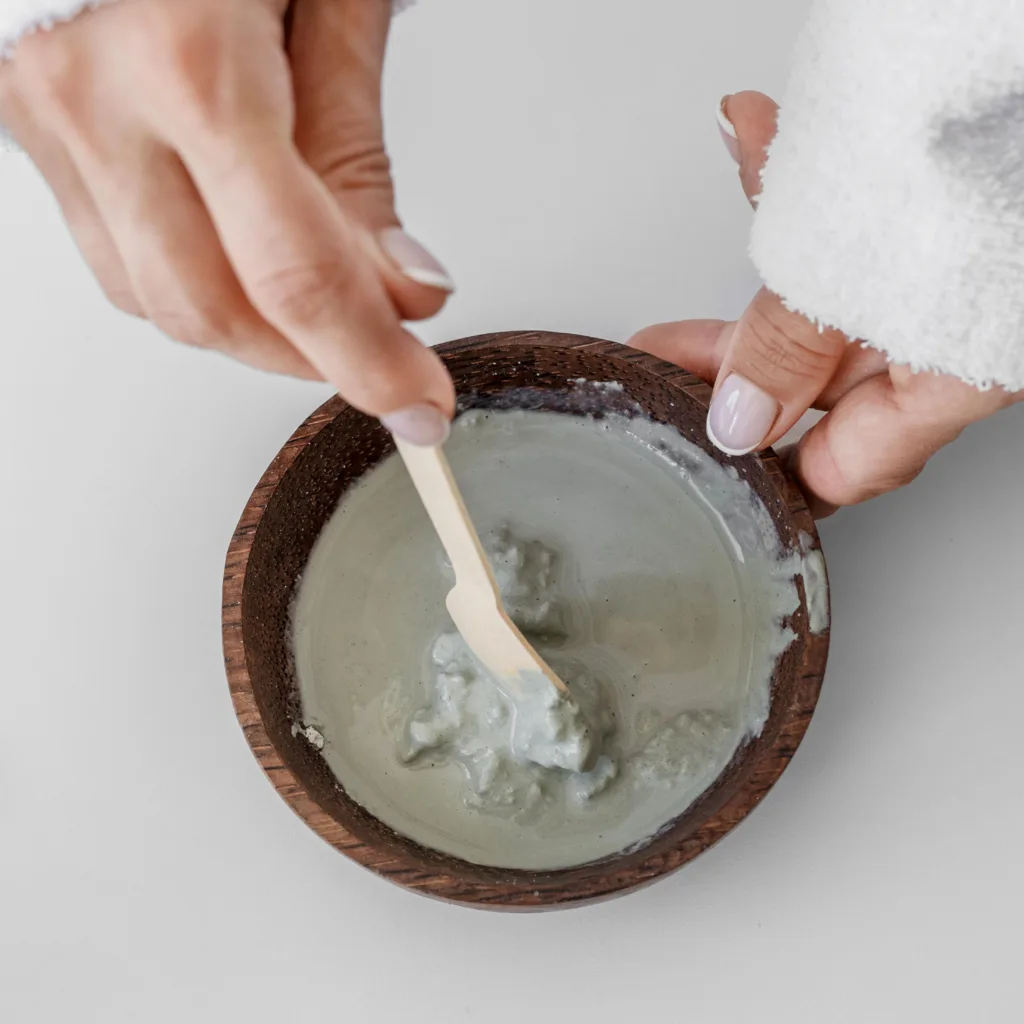
- Clay masks, such as bentonite or kaolin clay, are excellent at absorbing excess oil and impurities from the scalp.
- Mix clay with water to form a thick paste, apply it to your scalp and hair, leave it on for 15-20 minutes, then rinse thoroughly.
Herbal Rinse
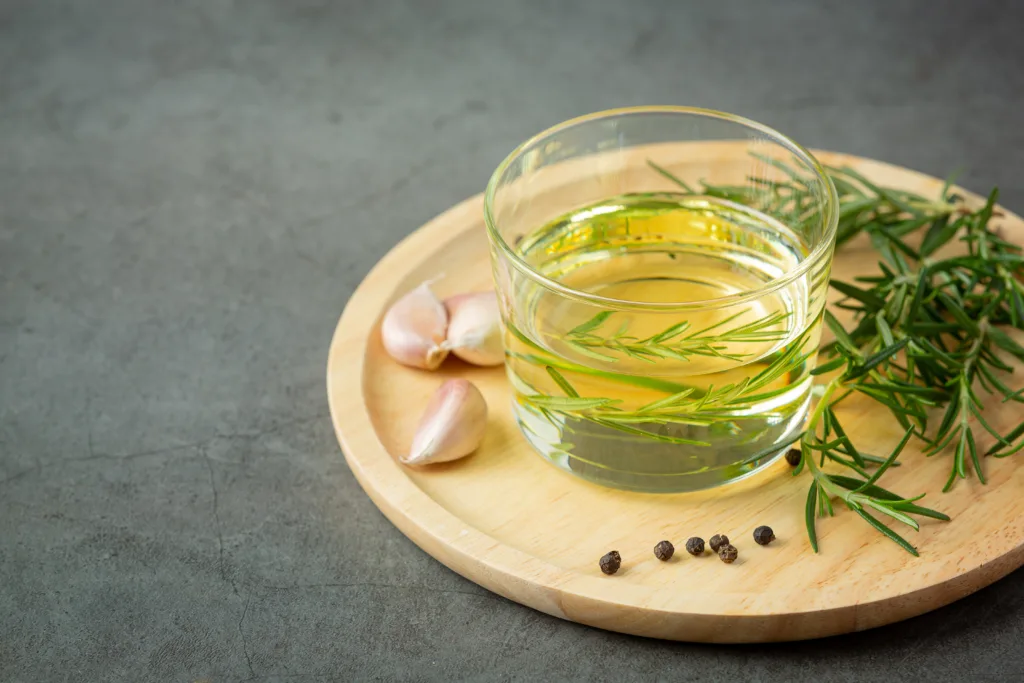
- Herbal infusions made from herbs like rosemary, sage, or peppermint can help regulate oil production and promote healthy scalp circulation.
- Brew a strong infusion, allow it to cool, then use it as a final rinse after shampooing and conditioning.

About the Author
Hi, I’m Shashi, founder of Natural Hair Growth. I write evidence-based articles on hair growth, scalp care, and natural remedies to help readers build healthier hair care routines. Read More About Shashi