
Table of Contents
ToggleAloe Vera for Hair Growth and Thickness Overview
Aloe vera not only heals but also nourishes the hair. It’s a great natural remedy for various hair and skin issues.
Aloe vera is widely used to support a healthy scalp, reduce dryness, and improve the overall appearance and strength of hair.
Its natural nutrients help nourish dry, damaged hair and improve softness, strength, and manageability.
This article explains different ways to use aloe vera for hair growth and why you should include it in your hair care routine.
Aloe vera is a succulent plant rich in vitamins, minerals, and enzymes that naturally benefit both hair and skin.
Aloe vera has been used in traditional medicine for centuries and is now widely used in modern hair care products.
Its natural nutrients help nourish dry, damaged hair and improve softness, strength, and manageability
Does Aloe Vera Really Help Hair Growth? (Scientific Evidence)
Although aloe vera has been used for centuries in traditional medicine for hair and scalp care, scientific evidence supporting its direct role in hair growth is still limited.
Research suggests that its vitamins, minerals, amino acids, and enzymes help maintain a healthy scalp by reducing inflammation and supporting the scalp’s natural barrier.
Because healthy hair grows from a healthy scalp, aloe vera may indirectly support stronger, healthier hair.
However, there is currently no strong clinical evidence that aloe vera alone can regrow hair or reverse significant hair loss.
For the best results, it should be used alongside a balanced diet, proper scalp care, and an overall healthy hair care routine.
According to Web MD, few scientific studies on its effects on hair. Aloe vera has many active ingredients and minerals that can help strengthen your hair.
Why Aloe Vera Is Beneficial for Hair Growth?

Aloe vera helps balance the scalp’s pH, opens hair follicles, and promotes healthy hair. It boosts hair growth and thickness.
The natural enzymes in aloe vera repair dead skin cells on the scalp, creating a good environment for new hair to grow, making hair thicker. Its moisturizing properties improve hair texture, making it fuller and stronger.
The nutrients in aloe vera penetrate deep into the scalp, stimulating hair follicles, strengthening hair from the root, and improving blood circulation to the scalp, which is essential for hair growth.
Benefits of Aloe Vera for Hair Growth
Nutritional Benefits of Aloe Vera for Hair
Aloe vera is packed with essential nutrients that nourish your hair.

Some of the key nutrients include:
- Vitamins A, C, and E: These vitamins promote healthy cell growth and shiny hair.
- Vitamin B-12 and Folic Acid: Both help in preventing hair from falling out.
- Amino Acids: These build up proteins that are essential for hair strength.
- Proteolytic Enzymes: Proteolytic enzymes help restore damaged skin cells on the scalp.
Aloe Vera’s Role in Reducing Hair Fall
Aloe vera contains enzymes that promote new hair growth and reduce hair fall.
It provides nourishment to the hair roots, making hair stronger from the roots. Aloe vera is also rich in vitamins that support hair growth.
Supports a Healthy Scalp Environment
Aloe vera has stimulating properties that help activate dormant hair follicles, promoting new hair growth, especially in areas with thinning hair.
Moisturizing Properties for Thicker Hair
Aloe vera has excellent moisturizing properties that hydrate dry and frizzy hair. With regular use, it makes hair smoother and thicker.
Aloe Vera for Treating Dandruff
Aloe vera has antifungal properties that help reduce dandruff and other scalp issues like itching and irritation.
It soothes the scalp and reduces inflammation, making it great for sensitive scalps.
How to use Aloe vera for hair Growth and thickness
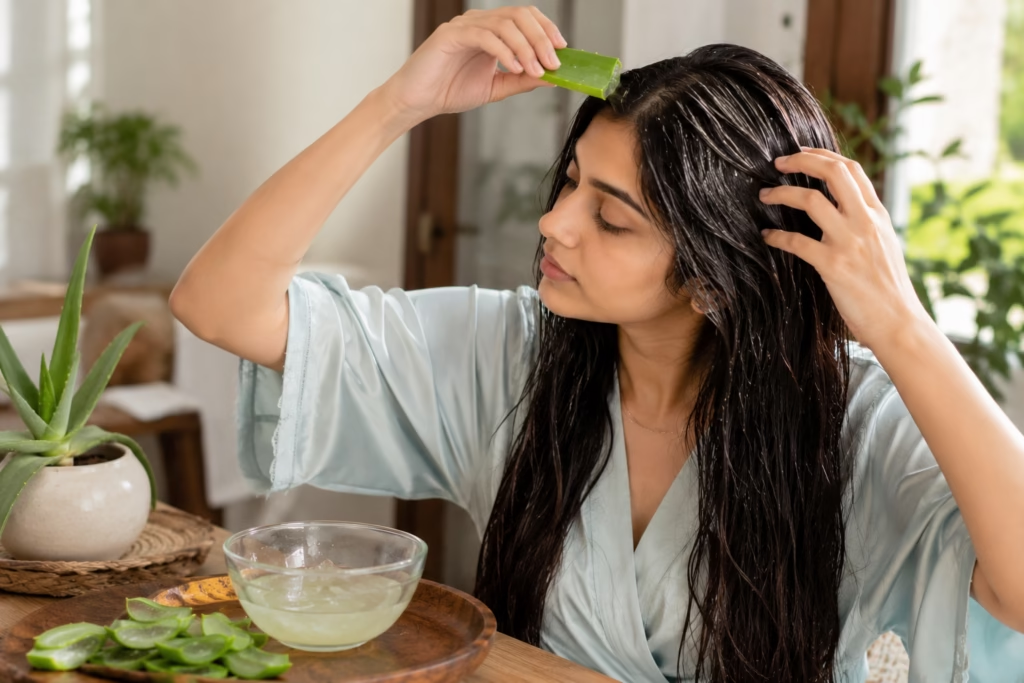
Aloe Vera Gel Direct Application
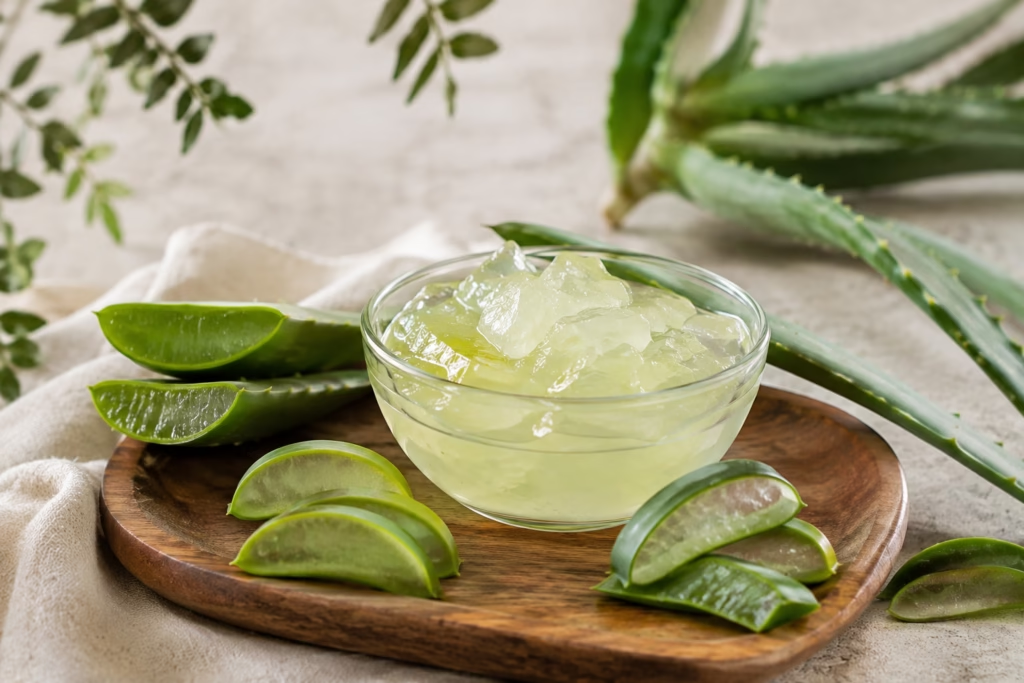
- Simply cut a fresh aloe vera leaf from the plant and wash it well
- Trim off the spiky edges using a knife.
- Peel off one side of the leaf and massage the gel onto your scalp.
- Leave the aloe vera gel on your scalp for 30 minutes, then wash it off.
Aloe Vera and Castor Oil Hair Mask
Castor oil contains ricinoleic acid, a special fatty acid with anti-inflammatory and moisturizing properties.
This fatty acid is very beneficial for hair. When used with aloe vera, the combined properties of both can revitalize the hair.
How to use:
- Take 2 fresh aloe vera leaves and extract the gel.
- Grind the aloe vera gel well using a blender.
- Then, mix 1 tablespoon of castor oil into the aloe vera gel.
- Apply the mixture to your scalp and hair, covering it from roots to tips.
- After 30-45 minutes, wash it off with shampoo.
Aloe Vera and Coconut Oil for Complete Nourishment
Aloe vera hydrates the hair, while coconut oil keeps the moisture in, preventing dryness and frizz.
This combination makes the hair smoother, and with regular use, the hair becomes shinier.
How to Use:
- Take fresh aloe vera leaves, cut them open, and scoop out the gel.
- In a bowl, mix the aloe vera gel with coconut oil in equal parts.
- Gently massage the mixture onto your scalp and hair, covering it from roots to tips.
- Let the mixture sit on your hair for 30-45 minutes to allow it to work.
- Rinse your hair with a mild and natural shampoo and water
Aloe Vera and Onion Juice
Onion juice provides sulfur compounds that may support stronger hair, while aloe vera keeps the scalp hydrated.
How to Use:
- Cut 1-2 fresh aloe vera leaf from the plant.
- Wash it thoroughly and slice it open to scoop out the gel using a spoon than grind it and mix 1-2 table spoon onion juice in it .
- Apply this mixture on scalp and hair from root to tip.
- Leave it on for 30 minutes.
- Cleanse your hair using a gentle, natural shampoo.
Aloe Vera and Egg Hair Mask
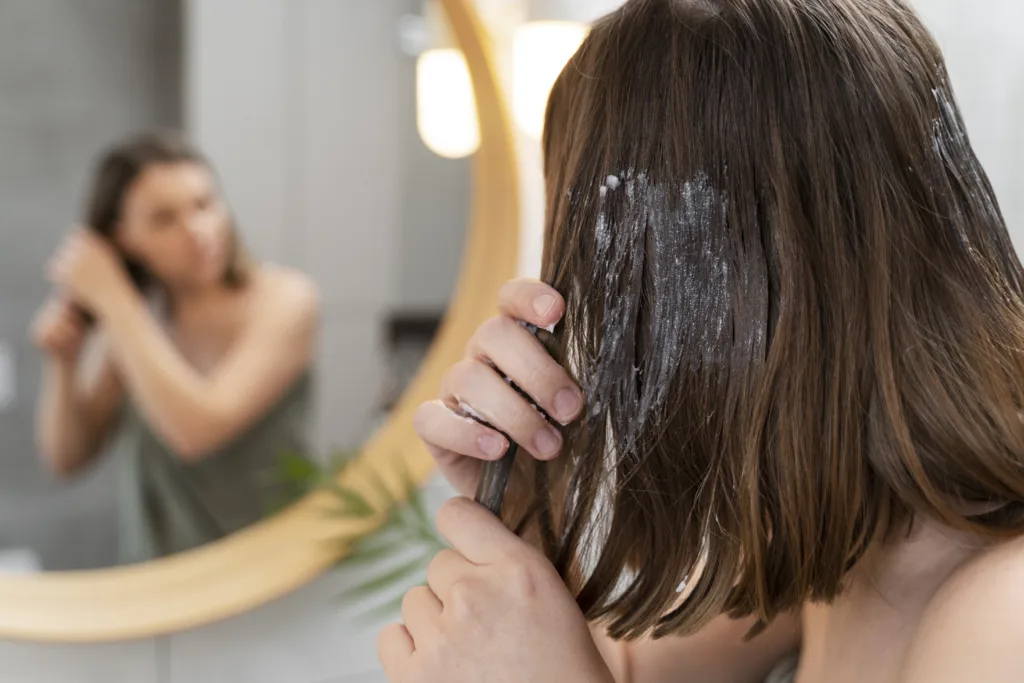
Eggs are rich in protein, which strengthens the hair. They prevent breakage and reduce split ends. Aloe vera hydrates dry and damaged hair, improving its texture.
The combination of eggs and aloe vera helps reduce hair brittleness and hair fall.
How to use:
- Mix two tablespoons of aloe vera gel with one egg
- apply this mixture on scalp and hair from root to tip.
- Let it sit for 30 minutes
- Wash your hair with a mild and natural shampoo.
Note: Although aloe vera is usually safe, some individuals might have allergic reactions. It’s important to do a patch test before applying aloe vera to your scalp.
If you’re looking to improve your overall hair care routine, you may also enjoy these helpful guides:
- 8 Benefits of Castor Oil for Hair Growth – Learn how castor oil can help nourish your scalp and support stronger, healthier-looking hair.
- How to Get Thicker Hair Naturally – Discover simple lifestyle changes and natural remedies that may help improve hair volume over time.
- 7 Benefits of Almond Oil for Hair – Find out how almond oil can moisturize dry hair, reduce breakage, and add natural shine.

Summary
Aloe vera is a simple and natural ingredient that can be a valuable addition to your hair care routine.
With regular use, aloe vera may leave your hair feeling softer, smoother, and easier to manage while helping reduce dryness and breakage.
Although it is not a miracle cure for hair loss, using aloe vera consistently alongside a balanced diet, proper scalp care, and healthy hair habits can support stronger, healthier-looking hair over time
Frequently Asked Questions
Can Aloe Vera Regrow Lost Hair?
While aloe vera can stimulate hair growth, it may not regrow lost hair in severe cases of hair loss.
How Often Should You Use Aloe Vera on Your Hair?
To achieve optimal results, apply aloe vera to your hair two to three times weekly. Regular use will help you achieve thicker, healthier hair over time.
How much time does it take for aloe vera to produce visible results?
You can start noticing results in 2-3 months with regular use.
Can You Leave Aloe Vera in Your Hair Overnight?
Yes, leaving aloe vera in your hair overnight can provide deep conditioning, but ensure you wash it off in the morning.
Is Aloe Vera Safe for All Hair Types?
Aloe vera is generally safe for all hair types, but always do a patch test first.
Does Aloe Vera Help with Baldness?
Aloe vera may help stimulate hair follicles, but it is not a cure for baldness.