
NATURAL HAIR GROWTH

How Much Hair Loss Is Normal? Causes, Signs & When to Worry

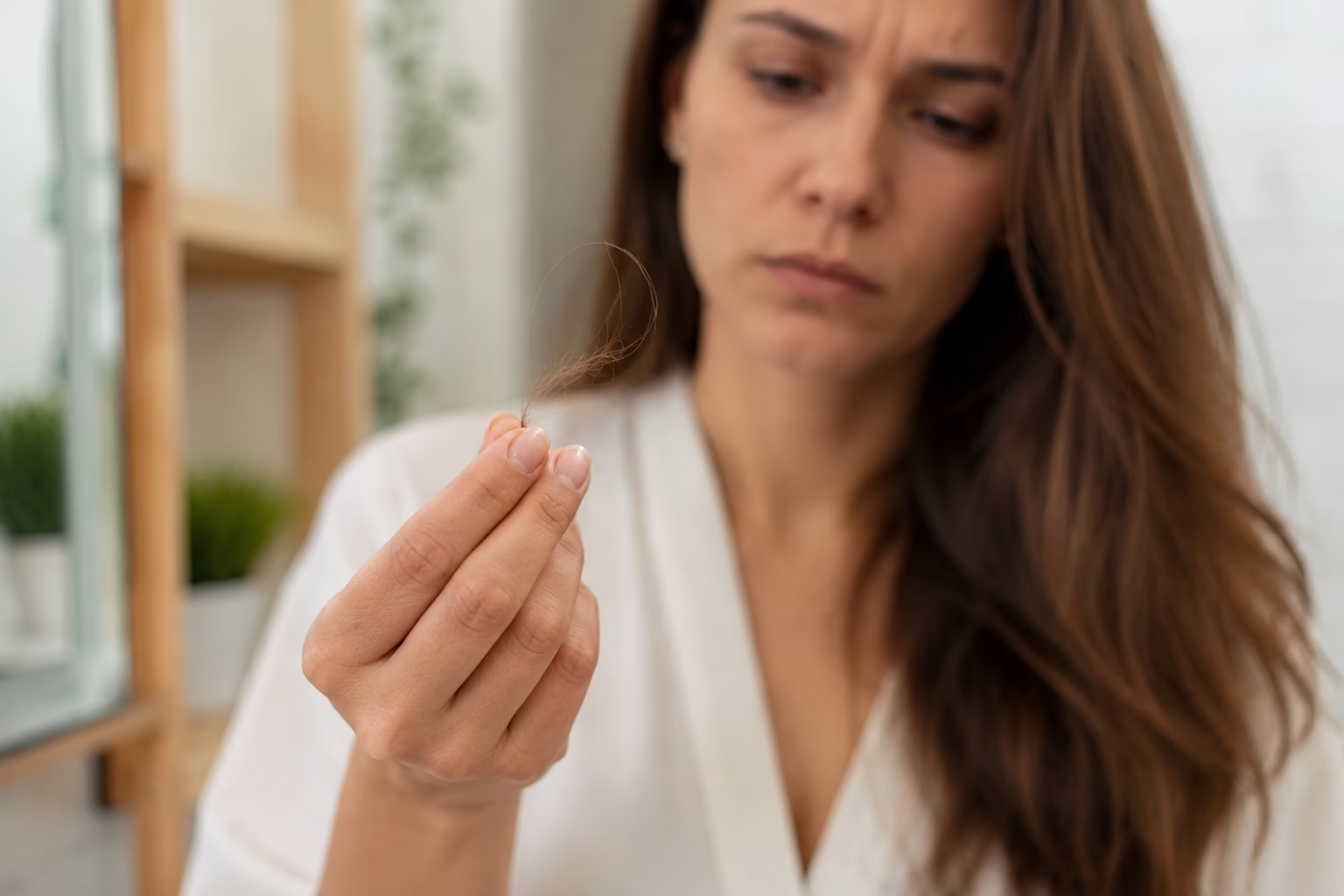
Hair shedding is a natural part of your hair’s life cycle, so losing a few strands every day is completely normal. 

In fact, most healthy adults lose around 50 to 100 hairs each day, and these hairs are usually replaced by new growth. 

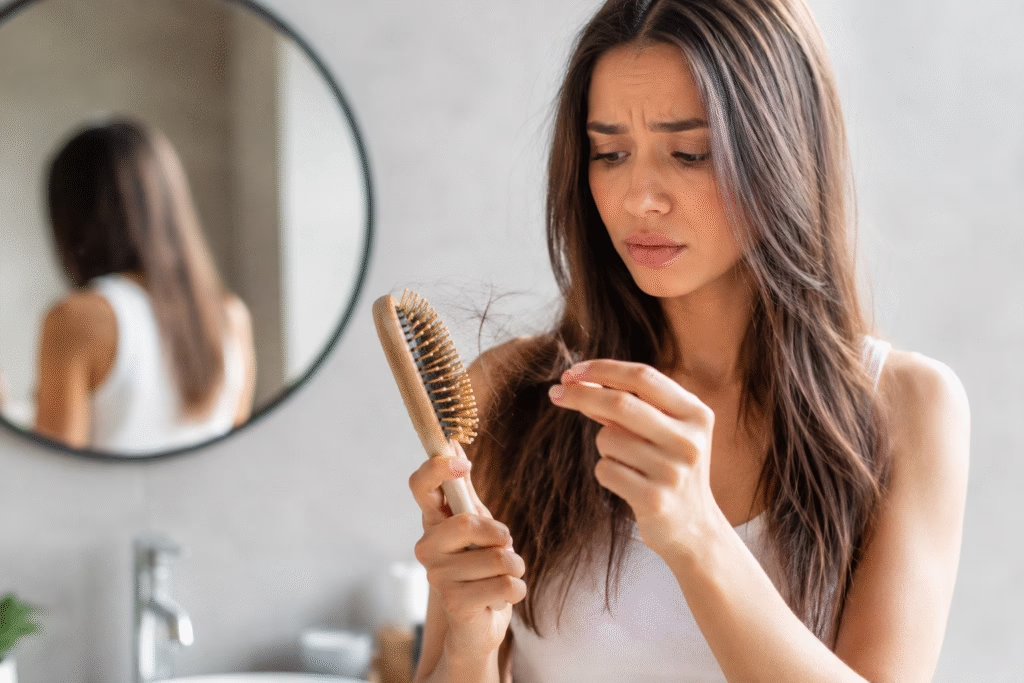
However, if you start noticing excessive hair shedding, visible thinning, or bald patches, it could be a sign that something is affecting your hair health. 

Factors such as stress, hormonal changes, poor nutrition, certain medical conditions, or genetics can all play a role. 

In this guide, you’ll learn how much hair loss is considered normal, what causes excessive shedding, the warning signs to watch for, and when it’s a good idea to consult a doctor

Understanding the Hair Growth Cycle

To understand how much hair loss is normal, it’s important to know how the hair growth cycle works. 

Every strand of hair goes through a natural cycle of growth, rest, and shedding. This continuous process helps replace old hairs with new ones and keeps your hair healthy. The hair growth cycle has three main phases: 

Anagen (Growth Phase) 

This is the active growth stage, during which hair grows from the root. Around 85–90% of your hair is usually in this phase, which can last for several years. 

Catagen (Transition Phase) 

This is a short phase where hair growth slows down, and the hair follicle begins preparing for the next stage. 

Telogen (Resting Phase)

During this phase, the hair rests before naturally shedding. Once the old hair falls out, a new hair begins to grow from the same follicle, and the cycle starts again. 

Because this cycle is constantly taking place, losing some hair every day is completely normal. In most cases, shedding 50 to 100 hairs daily is simply a sign that your hair is renewing itself.

To understand why hair falls out naturally, learn more about the hair growth cycle in our guide on How Long Does Hair Grow in a Month?

How Much Hair Loss is Normal? What Experts Says

How much Hair Loss Is normal

Most healthy adults naturally lose 50 to 100 hairs each day, and this is considered normal. 

Hair shedding is a natural part of the hair growth cycle, where old hairs fall out to make room for new ones. 

The exact amount of hair loss can vary depending on factors such as age, genetics, overall health, hormones, and daily hair care habits. 

However, if you notice that your hair is shedding much more than usual, your hair is becoming thinner, or bald patches start to appear, it may be a sign of an underlying problem. 

Keeping track of changes in your hair over time can help you tell the difference between normal shedding and excessive hair loss.

According to the American Academy of Dermatology, losing 50 to 100 hairs a day is a normal part of the hair growth cycle.

Factors Influencing Hair Loss

Several factors can influence the rate of hair loss, including:
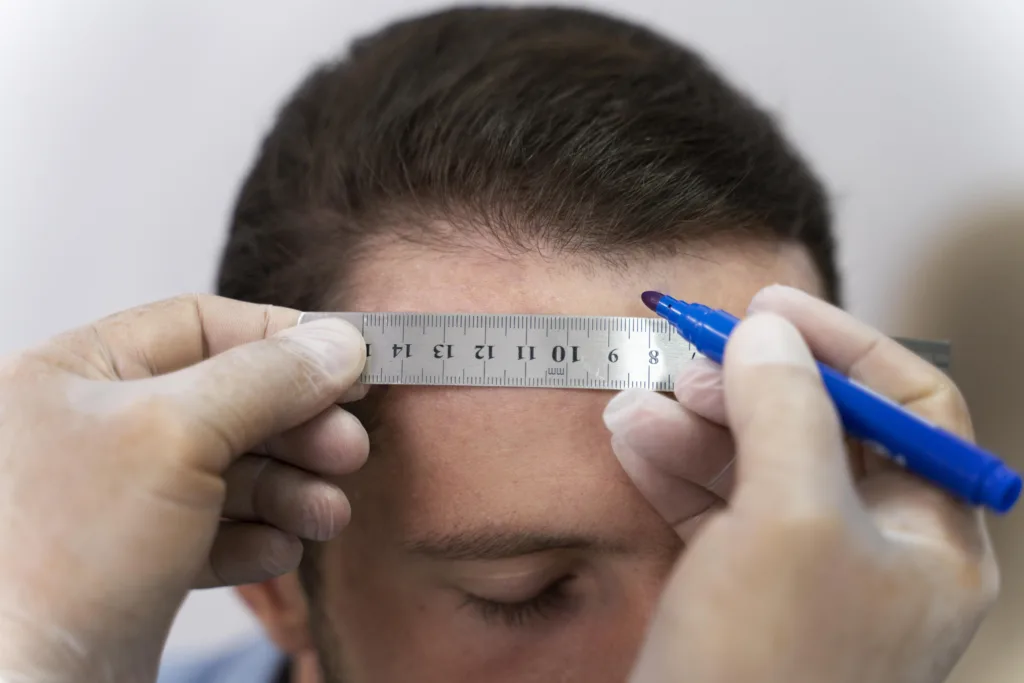
Genetic Predisposition

The genetic heritage of a person plays a pivotal role in shaping the patterns of hair loss they may encounter.

Individuals with a genetic predisposition to conditions like male or female pattern baldness are more likely to experience hair loss.

Post-surgery medication

Hair loss can sometimes occur as a side effect of certain potent medications prescribed following a surgical procedure.

Hormonal Changes

Fluctuations in hormone levels, such as those during pregnancy, menopause, or thyroid disorders, can impact hair growth cycles. 

Hormonal imbalances may lead to increased hair shedding or thinning.

Medical Conditions

Various medical conditions, including alopecia areata, scalp infections, and autoimmune diseases, can contribute to hair loss.

Treating underlying medical conditions is essential for addressing associated hair loss.

Lifestyle Factors

Stress: Persistent stress has the potential to disturb the natural rhythm of hair growth and play a role in causing hair loss.

Nutrition: Poor diet lacking essential nutrients can weaken hair follicles and lead to increased shedding.

Hair Loss in Men

Genetics

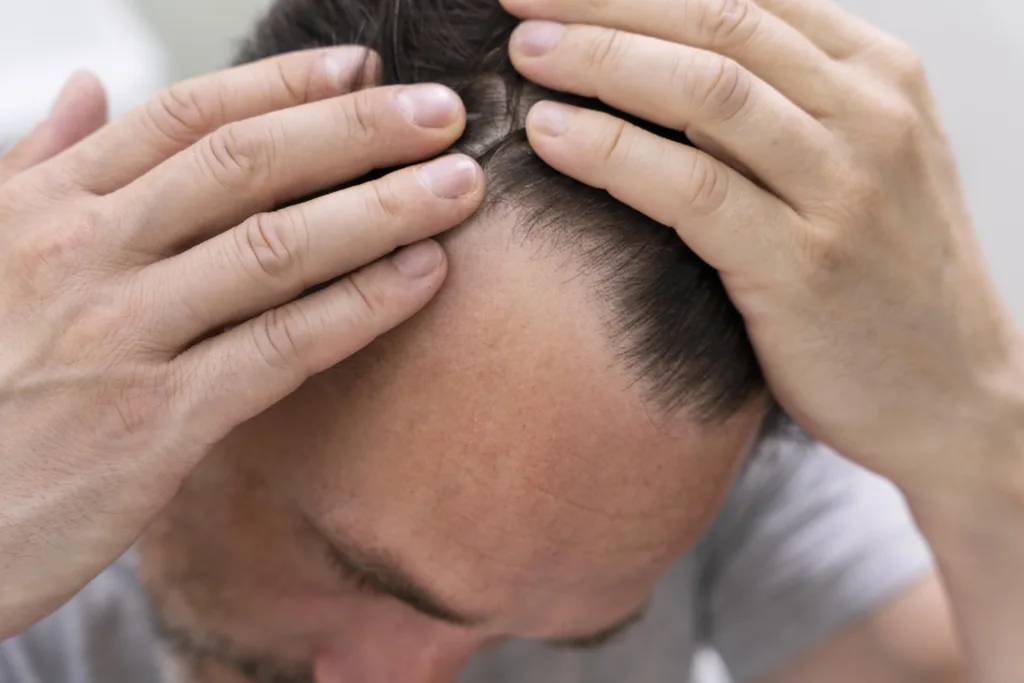
Men may experience hair loss for various reasons. One common cause is genetics, where a family history of baldness can increase the likelihood of hair loss.
Hair Loss in Men

Hormonal Imbalances 

Hormonal imbalances, especially high levels of a hormone called DHT, can also lead to hair thinning. 

Age

Getting older is another factor, as aging can affect hair growth. Stress, poor diet, and some medical conditions can also play a role in hair loss for men.

Lifestyle

Certain lifestyle choices like smoking or drinking too much alcohol can make hair loss worse. 

Hair Loss in Women

Hormonal Changes 

Fluctuations in hormones due to pregnancy, childbirth, menopause, or thyroid imbalances can contribute to hair loss in women.

Genetics

Female-pattern hair loss, or androgenetic alopecia, can be inherited and is characterized by a gradual thinning of hair over time.
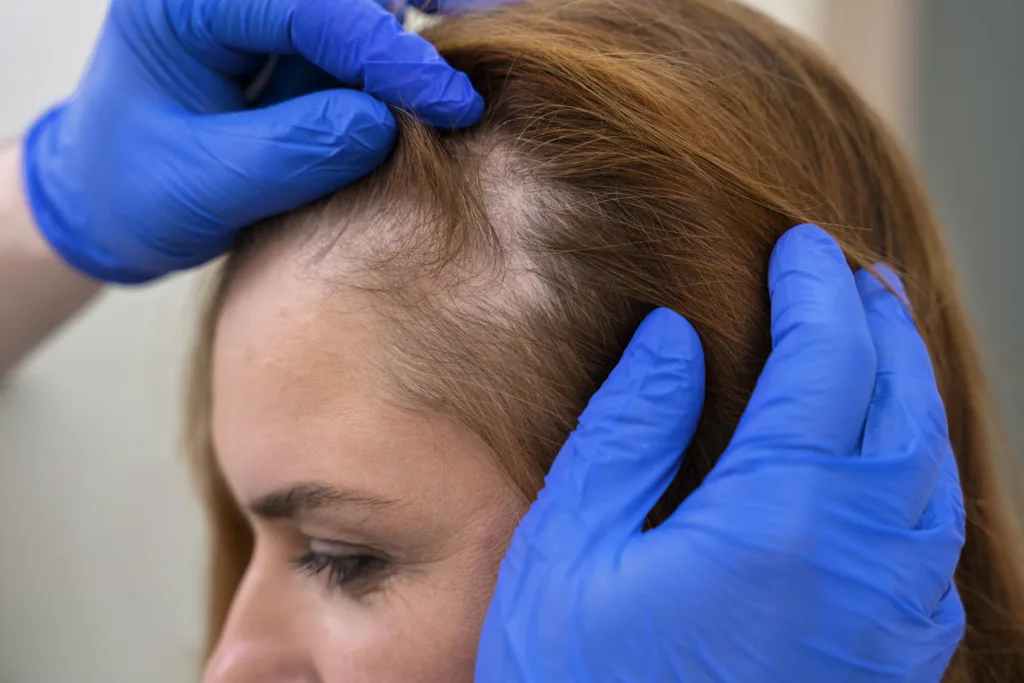
Hair Loss in Women

Medical Conditions 

Certain medical conditions such as polycystic ovary syndrome (PCOS), autoimmune disorders, and scalp infections can lead to hair loss in women.

Stress

Physical or emotional stress can trigger a type of hair loss called telogen effluvium, where hair prematurely enters the resting phase of the hair growth cycle and sheds excessively.

Nutritional Deficiencies 

Inadequate intake of essential nutrients like iron, zinc, and vitamins D and B12 can affect hair health and contribute to hair loss in women.

Hairstyling Practices

Excessive heat styling, tight hairstyles (like ponytails or braids), and chemical treatments can damage the hair shaft and lead to breakage and hair loss.

Medications

Certain medications, including some birth control pills, blood thinners, and chemotherapy drugs, may cause hair loss as a side effect.

Aging 

As women age, the rate of hair growth may slow down, and hair follicles may become less active, resulting in thinner hair.

Signs Your Hair Shedding Is Still Normal

Not every strand of hair on your brush is a cause for concern. Your hair loss is likely normal if:

  • You lose around 50–100 hairs a day.
  • Your hairline looks the same over time.
  • There are no bald patches on your scalp.
  • New baby hairs are growing around your hairline.
  • Your overall hair density has not noticeably decreased.

If these signs match your situation, your hair is probably following its normal growth cycle.

Expert Tip: If your hair shedding suddenly increases after illness, childbirth, or significant stress, it may be temporary (telogen effluvium) and often improves within a few months.

Simple Tips to Reduce Excess Hair Shedding

Include

  • Eat enough protein every day.
  • Include iron, zinc, vitamin D and biotin-rich foods.
  • Avoid tight hairstyles.
  • Limit heat styling.
  • Massage your scalp 2–3 times a week.
  • Wash your hair with a gentle shampoo.
  • Stay hydrated.
  • Manage stress through yoga or meditation

Foods That Support Healthy Hair Growth

 Nutrient

 Food Sources

 Protein

 Eggs, Lentils, Paneer

 Iron

 Spinach, Dates

 Zinc

 Pumpkin Seeds

 Omega-3

 Flaxseeds, Walnuts

 Vitamin C

 Oranges, Amla

Our diet plays an important role in maintaining healthy hair. 

Learn which foods and nutrients support stronger hair in our article on 7 Superfoods for Healthy Hair Growth and Chia Seeds for Hair Growth: 5 Benefits, Nutrients and Easy Ways to Use Them

When to Seek Medical Attention

While some hair loss is normal, certain signs may indicate an underlying issue that requires medical attention. These include:

consult to a doctor for Hair loss

  • Sudden or excessive hair loss
  • Noticeable thinning or bald patches
  • Hair loss coupled with itching, inflammation, or discomfort.
  • Hair loss occurring at a young age or progressing rapidly.

Remember that addressing excessive hair loss may require patience and a combination of approaches tailored to your individual needs. 

Ask a doctor for personalized advice and treatment suggestions.

Summary

Most people naturally lose 50–100 hairs every day, and this is a healthy part of the hair growth cycle. 

However, if your hair loss becomes excessive, lasts for several weeks, or is accompanied by thinning or bald patches, it’s important to identify the underlying cause early. 

A balanced diet, proper hair care routine, and timely medical advice can help keep your hair healthy and reduce unnecessary shedding.

Medical Disclaimer: This article is based on guidance from dermatology organizations and scientific literature. It is intended for educational purposes and is not a substitute for medical advice. 

If your hair loss is sudden, severe, or accompanied by scalp pain or bald patches, consult a dermatologist.

Frequently Asked Questions

Is it normal to experience more hair loss during certain seasons or times of the year?

Yes, it’s quite common for people to experience seasonal shedding, especially during the fall and spring months.

Is losing 200 hairs a day normal?

Losing around 200 hairs in a single day is usually more than normal, especially if it continues for several days or weeks. 

However, temporary heavy shedding can happen after stress, illness, childbirth, or seasonal changes. 

If the shedding doesn’t improve or you notice thinning hair or bald patches, it’s best to consult a doctor.

Can hormonal changes cause hair loss, and is it normal?

Yes, hormonal changes can indeed lead to hair loss, and it’s considered normal in certain circumstances. 

For example, hormonal fluctuations during puberty, pregnancy, childbirth, and menopause can all affect the hair growth cycle.

Can stress cause temporary hair loss?

Yes, both physical and emotional stress can trigger temporary hair loss. Stress may cause more hairs to enter the resting phase of the hair growth cycle, leading to increased shedding a few months later. 

In many cases, hair growth returns to normal once stress levels decrease.

Leave a comment