
Multiple factors determine how frequently you should wash your hair.
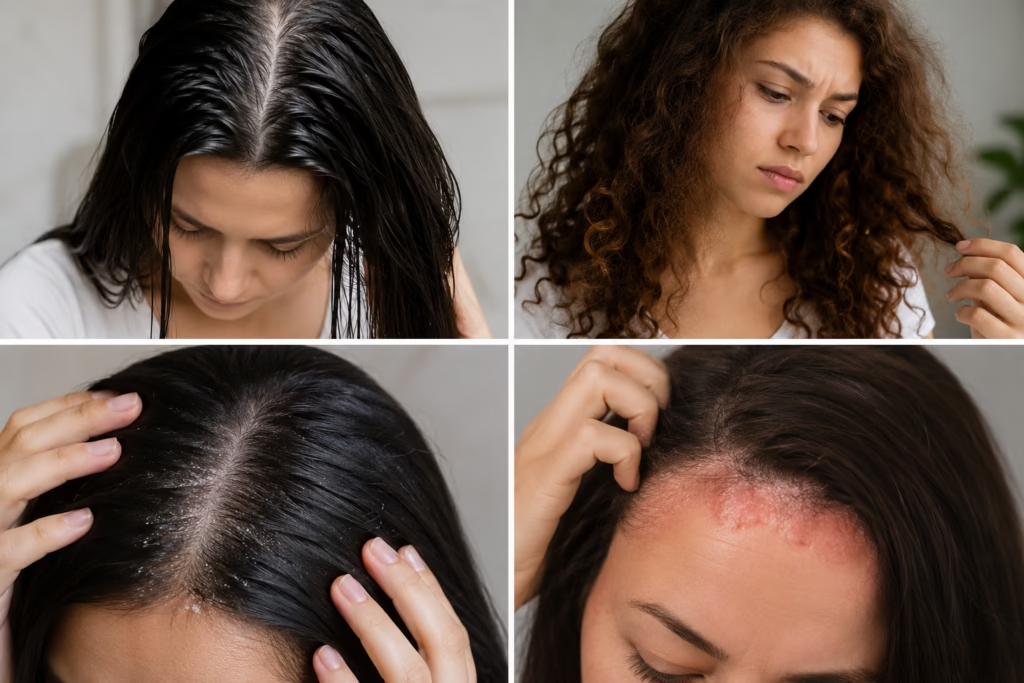 Hair Type
Your hair type significantly impacts how often you should wash it. Here’s a breakdown:
Oily Hair
Dermatologists generally recommend washing oily hair daily or every other day to remove excess sebum, sweat, and product buildup.
Keeping the scalp clean can help reduce greasiness and maintain a healthier scalp environment without allowing oil to accumulate.
Dry Hair
For dry hair, washing too often can strip away necessary moisture. Washing once or twice a week is generally sufficient.
Normal Hair
If your hair is neither too oily nor too dry, washing it two to three times a week should keep it clean and healthy.
Curly or Coarse Hair
Curly and coarse hair types are usually drier because natural oils have a harder time traveling down the hair shaft. Washing once or twice a week helps retain moisture and manage curls.
Read the American Academy of Dermatology(AAD) recommendations.
Scalp Condition
The condition of your scalp is crucial in deciding your washing routine.
Oily Scalp
An oily scalp might require more frequent washing to prevent oil buildup.
Dry Scalp
If you have a dry scalp, washing less frequently can help maintain natural oils.
Dandruff or Seborrheic Dermatitis
If you have scalp conditions like dandruff, you may need to use medicated shampoos and follow a specific washing regimen recommended by a dermatologist.
Lifestyle
Your daily activities and environment also impact how often you should wash your hair.
Active Lifestyle
If you exercise regularly or sweat a lot, you might need to wash your hair more frequently.
Polluted Environment
Living in a polluted area or spending a lot of time outdoors can lead to a buildup of dirt and pollutants in your hair, necessitating more frequent washing.
Hair Products
The types of products you use can influence your washing schedule.
Heavy Products
Using heavy styling products, oils, or leave-in conditioners can lead to buildup and may require more frequent washing.
Light Products
If you use light or minimal products, you might be able to go longer between washes.
Based on the factors above, here are some tailored recommendations for different hair types and conditions:

For Oily Hair and Scalp
If you have oily hair, you might feel the need to wash it daily. Here are some tips to manage oily hair:
Use a Gentle Shampoo
Opt for a mild shampoo designed for daily use. Avoid harsh shampoos that can strip your scalp of natural oils, causing it to produce even more oil.
Conditioner Placement
Apply conditioner only to the ends of your hair to avoid adding extra oil to your scalp.
Dry Shampoo
On days when you don’t wash your hair, use dry shampoo to absorb excess oil and keep your hair looking fresh.
For Dry or Damaged Hair
Dry or damaged hair requires a more delicate approach:
Moisturizing Shampoo and Conditioner
Use products specifically designed to add moisture and repair damage.
Avoid Over-Washing
Washing your hair once or twice a week is usually enough. Over-washing can strip your hair of its natural oils, leading to more dryness.
Deep Conditioning Treatments
Incorporate deep conditioning treatments or hair masks into your routine once a week to provide extra hydration and nourishment.
If your hair feels dry or damaged from over washing, checkout our guide on How to Repair Hair Damage in 5 Natural Ways for
practical tips to improve your hair’s health.
For Normal Hair
If your hair is neither too oily nor too dry, a balanced approach works best:
Regular Washing
Washing your hair two to three times a week should suffice. This frequency keeps your hair clean without stripping away essential oils.
Adjust Your Routine Based on Your Lifestyle
Adjust your washing schedule based on your activities and environmental factors. For instance, wash more frequently if you sweat a lot or are exposed to pollutants.
For Curly or Coarse Hair
Curly and coarse hair types benefit from a less frequent washing schedule:
Hydrating Products
Use hydrating shampoos and conditioners to maintain moisture. Look for products that define curls and reduce frizz.
Co-Washing
Consider co-washing (washing with conditioner only) between shampoo washes to cleanse without stripping moisture.
Weekly Washes
Washing your hair once or twice a week helps retain natural oils and keeps your curls defined and manageable.
Regardless of your hair type, there are some general practices you can follow to ensure your hair stays healthy and vibrant:
 Use Lukewarm Water
Washing your hair with hot water can strip it of natural oils and cause dryness. Use lukewarm water instead to keep your hair healthy.
Avoid Over-Brushing
Brushing your hair too often can stimulate oil production and cause breakage. Brush gently and only as needed.
Protect Your Hair
When styling, use heat protectants to shield your hair from damage caused by heat styling tools. Also, consider protective hairstyles that minimize damage.
Scalp Massage
Give yourself a gentle scalp massage while washing to stimulate blood flow and promote healthy hair growth.
Regular Trims
Get regular trims to prevent split ends and maintain the overall health of your hair.

About the Author
Hi, I’m Shashi, founder of Natural Hair Growth. I write evidence-based articles on hair growth, scalp care, and natural remedies to help readers build healthier hair care routines. Read More About Shashi