


NATURAL HAIR GROWTH

Can We Apply Oil Daily on Hair? Benefits, Risks & Best Routine

Can you apply oil to your hair every day? Yes, you can, but daily oiling is not necessary or suitable for everyone. The right frequency depends on your scalp type, hair texture, the amount of oil you use, and how your scalp responds to it.

For many people, applying a small amount of oil to the hair lengths a few times a week may be enough. 

If your scalp becomes greasy, itchy, or develops more flaking after frequent oiling, daily scalp oiling may not be the best choice.

In this guide, we’ll look at what daily hair oiling can and cannot do, possible benefits and drawbacks, how often to oil different hair types, and how to build a simple routine that works for your hair.

Understanding Hair Oil

understanding hair oil

Before deciding how often to oil your hair, it helps to understand what hair oil actually does. 

Hair oils can coat the hair shaft, helping improve softness, smoothness, and manageability. Some oils may also reduce friction and help protect the hair from certain types of everyday damage. 

Different oils have different properties. For example, coconut oil is known for its ability to penetrate the hair shaft and may help reduce protein loss, while argan oil is often used in small amounts to smooth the hair and improve its appearance. 

The best choice depends on your hair type, scalp condition, and what you want to achieve from oiling.

How Often Should You Oil Your Hair?

How Frequently Put Hair Oil on Hair

The right oiling frequency can vary from person to person. Rather than treating daily oiling as a rule, use your hair and scalp’s response as a guide. 

he following table can help you choose a reasonable starting point based on your hair or scalp type.

Hair or Scalp Type

Suggested Starting Point

Dry or coarse hair

1–2 times a week may work well

Curly or textured hair

1–2 times a week, depending on dryness

Normal hair

Around once a week may be enough

Oily scalp

Oil less frequently and focus mainly on the mid-lengths and ends

Fine hair

Use a small amount and oil less frequently to avoid weighing it down

Flaky or itchy scalp

Avoid heavy or frequent oiling until the underlying cause is understood

These are general starting points, not strict rules. You may need to adjust your routine depending on how your hair looks and feels after oiling. 

If your hair becomes greasy, heavy, or difficult to wash, try using less oil or reducing the frequency.

Does Oiling Your Hair Make It Grow Faster?

Oiling your hair does not automatically make hair grow faster. Hair growth is primarily influenced by factors such as genetics, hormones, age, nutrition, and overall health.

Hair oiling may help maintain the condition of the hair shaft by reducing dryness and friction, which can help minimize some forms of breakage. 

This can make hair appear healthier and help you retain length, but it is different from increasing the biological rate at which hair grows.

Potential Benefits of Hair Oiling

Hair oiling can be a useful part of a hair-care routine, particularly for improving the feel and manageability of dry or rough hair. 

However, using oil every day does not necessarily provide greater benefits than using it less frequently. 

The main benefits come from using an appropriate oil in a suitable amount and applying it according to your hair’s needs.

May Help Reduce Dryness and Roughness

Applying a small amount of oil can coat the hair shaft and make dry or rough strands feel softer and smoother. 

This may be especially helpful for hair that is frequently exposed to heat styling, washing, or environmental conditions that leave it feeling dry.

People with curly or textured hair may need a more tailored routine because their hair can be more prone to dryness. 

A consistent curly hair care routine can help improve moisture retention and manageability.

May Help Reduce Hair Breakage

Some oils can reduce friction between hair fibers and may help protect the hair from certain types of damage. 

For example, coconut oil has been studied for its ability to penetrate the hair shaft and reduce protein loss. However, this does not mean that oil can prevent all types of hair breakage.

Can Improve Shine and Manageability

A light application of oil can smooth the surface of the hair and temporarily improve its shine. It may also make the hair easier to detangle and manage, particularly when applied to the mid-lengths and ends.

May Help Protect the Hair Shaft

Hair oils can form a protective layer around the strands, which may help reduce friction and the effects of everyday handling. 

The effect varies depending on the type of oil, the condition of the hair, and how much is applied.

Potential Disadvantages of Daily Hair Oiling

Although hair oiling can be helpful for some people, applying oil every day is not necessarily better. 

Frequent or excessive oiling may create problems depending on your hair type, scalp condition, and the amount of oil you use.

Greasy or Weighed-Down Hair

Applying oil too often, especially in large amounts, can make the hair look greasy, flat, or heavy. This can be more noticeable in people with fine hair or a naturally oily scalp.

If your hair becomes oily quickly, learning how to manage greasy hair can help you choose a better balance between oiling, washing, and other hair-care products.

Product Buildup

Regular use of heavy oils without adequate cleansing can leave residue on the scalp and hair. Over time, this may make the hair feel coated or difficult to clean properly. 

If you notice persistent buildup, reducing the amount or frequency of oiling may help.

May Not Suit an Irritated or Flaky Scalp

If your scalp is already itchy, irritated, or prone to persistent flaking, frequent heavy oiling may not be the best approach. 

Scalp flaking can have different causes, so simply adding more oil may not address the underlying problem. If symptoms continue or become severe, consider speaking with a dermatologist.

Can Make Hair Care More Time-Consuming

Daily oiling also requires regular cleansing to remove excess oil. For some people, this can make their hair-care routine unnecessarily time-consuming, particularly if their hair needs multiple washes to remove heavy oil.

What Does Research Say About Hair Oiling?

Research suggests that hair oils can provide benefits for the hair shaft, but the evidence does not support the idea that daily oiling automatically makes hair grow faster. 

One of the better-studied oils is coconut oil. A study published in the Journal of Cosmetic Science found that coconut oil was able to penetrate the hair shaft and reduce protein loss from both damaged and undamaged hair when used as a pre-wash or post-wash treatment. 

This may help protect the hair from some types of grooming-related damage.

A review published in the International Journal of Trichology examined the traditional use of hair oils and the available scientific evidence behind their effects on hair. 

The review discusses how different oils may act as emollients, improve hair lubrication and reduce friction, while also highlighting that scientific evidence for many commonly promoted hair-oiling claims remains limited. 

Therefore, hair oiling can be considered a useful conditioning and protective practice, but it should not automatically be considered a proven method for increasing hair growth.

Overall, the available research supports using certain oils as a conditioning and protective part of a hair-care routine, particularly for reducing protein loss and improving the feel of the hair.

However, there is not enough evidence to conclude that applying oil every day stimulates hair growth or is necessary for everyone. 

Your hair type, scalp condition, and the amount and type of oil used should determine how frequently you oil your hair.

Finding the Right Oiling Routine

There is no single oiling routine that works for everyone. The right frequency depends on your hair and scalp type, as well as how your hair feels after oiling. 

Start with a small amount and adjust the routine as needed. If your hair feels soft and manageable, you may be on the right track. 

If it becomes greasy, heavy, or uncomfortable, try using less oil or oiling less often.

Here are Some Other Factors to Consider

Know Your Scalp Type

Assess whether your scalp tends to be dry or oily. Dry scalps may benefit from more frequent oiling, while oily scalps might need less.

Consider the Climate

Take note of the weather conditions where you live. In dry or cold weather, your hair may need extra oil to stay moisturized, while in humid climates, less oil may be necessary.

Address Specific Hair Concerns 

Think about any particular hair issues you’re dealing with, such as dandruff or hair loss. Choose oils that target these concerns to effectively address them.

You can customize your hair oiling routine to meet your specific needs and achieve healthier hair.

Tips for Effective Oil Application

Regardless of how often you choose to oil your hair, here are some tips to ensure optimal results:

Use the Right Amount

A little goes a long way when it comes to hair oil. Begin with a little and change it if necessary to prevent your hair from getting too oily.

Focus On the Ends

Concentrate the oil application on the mid-lengths to ends of your hair, where it tends to be driest and most prone to damage.

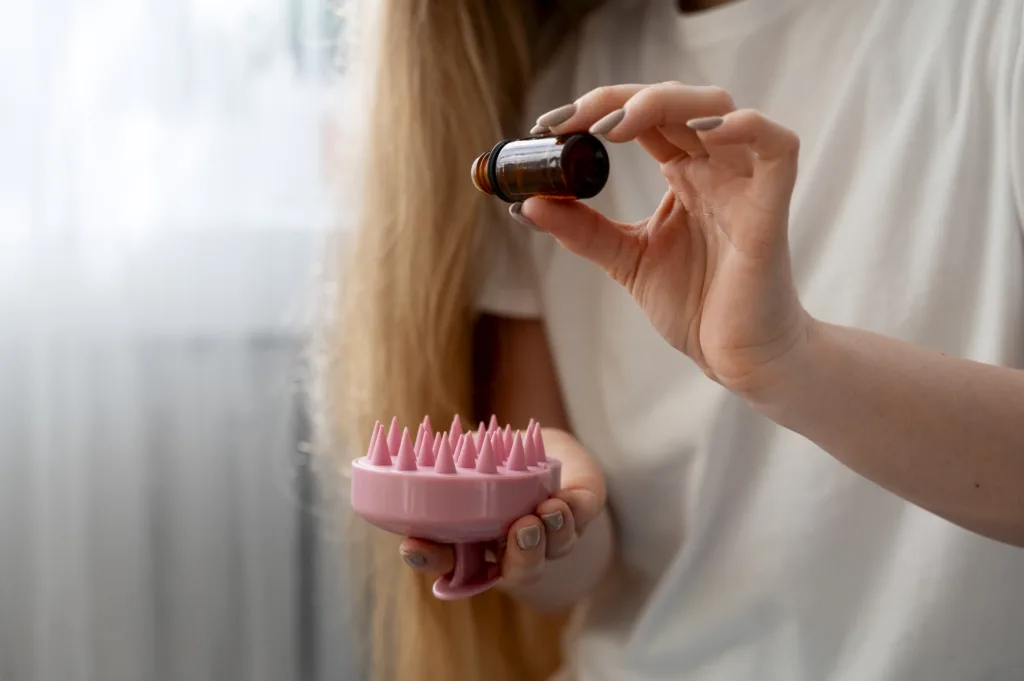
Massage the scalp

Gently massage the oil into your scalp to promote circulation and stimulate hair follicles.

A gentle scalp massage can be included as part of your oiling routine. Use your fingertips and light pressure, and avoid scratching the scalp with your nails.

Choose Quality Oils

Opt for high-quality, natural oils free from harsh chemicals and additives for the best results.

Wash regularly

If you’re oiling your hair frequently, ensure you’re washing it regularly to prevent buildup and maintain scalp health.

Conclusion

When it comes to the big question of whether you should oil your hair every day, the answer is all about what works best for you. 

While daily oiling can do wonders for your hair, it’s important to keep an eye out for any downsides and tweak your routine as needed. With the right strategy, you can have hair that’s not just healthy, but also shining with vitality. 

So, don’t be shy – give your hair the love it deserves with a little oil, and watch it thrive.

Frequently Asked Questions

Is it beneficial to apply oil to your hair every day?

Applying oil to your hair every day can provide continuous hydration and nourishment, helping to maintain moisture levels, prevent breakage, and improve overall texture. 

However, it’s essential to consider your hair type and needs to determine if daily oiling is suitable for you.

What are the potential drawbacks of daily oil application?

Daily oiling may lead to greasiness, weighing down the hair, and making it appear flat, particularly for individuals with certain hair types. 

Moreover, certain oils may cause buildup over time, potentially resulting in scalp issues such as dandruff or itching.

How can I find the right balance in oiling my hair?

Finding the perfect balance involves understanding your hair type, needs, and preferences. Experiment with different oils and application frequencies to discover what works best for you. 

Some may benefit from daily oiling, while others may prefer a more sporadic approach.

Ultimately, is daily oiling suitable for everyone?

The suitability of daily oiling varies depending on individual needs and preferences. While it can offer numerous benefits for some, it’s crucial to be mindful of potential drawbacks and adjust your routine accordingly. 

With the right approach, you can achieve healthy, lustrous locks that shine from within.

Leave a comment