
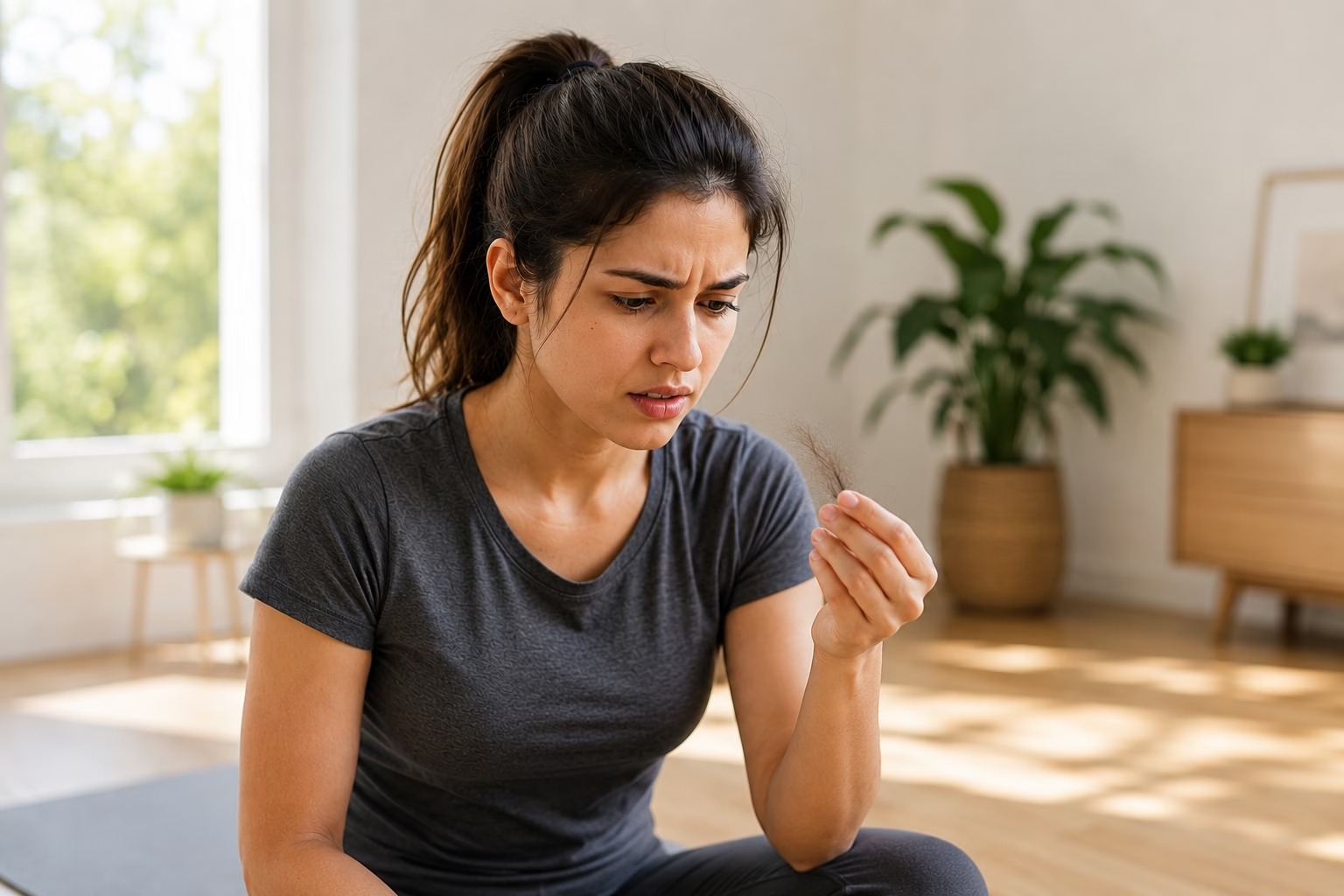

When you get moving and exercise, it’s like giving your whole body a boost. Your heart starts pumping faster, and that sends more good stuff like oxygen and nutrients to every part of you, even your scalp where your hair grows.
Imagine your hair follicles, like little plants in your scalp, getting all the good stuff they need to grow strong and healthy.
So, exercising isn’t just good for your muscles and heart; it’s like giving your hair a healthy dose of vitamins too.
It’s like watering a plant to help it grow tall and strong. Regular physical activity improves blood circulation, which helps deliver oxygen and nutrients to the scalp.
So next time you’re out jogging or dancing, just think about how you’re giving your hair a little extra love too.
You can also improve scalp circulation with a regular Scalp Massage for Hair Growth, which may help create a healthier environment for stronger hair.
Hair loss can be influenced by a multitude of factors, ranging from genetic predispositions to environmental stressors.
Understanding these diverse influences is crucial in addressing and managing hair loss effectively:
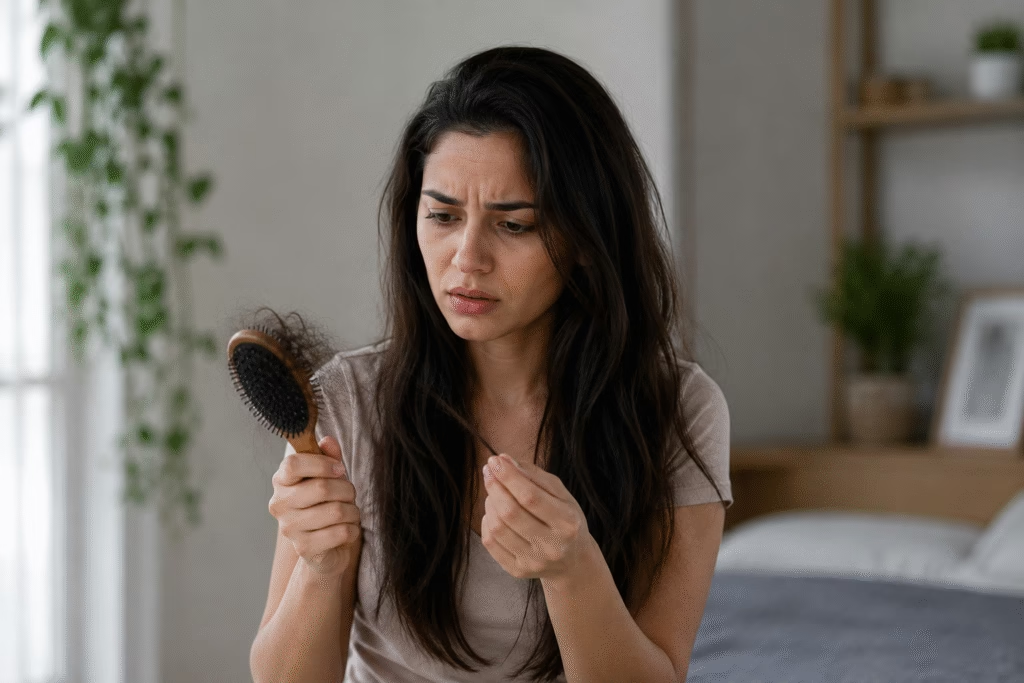
1. Stress and Hair Loss
While exercise can be a valuable tool for stress management, excessive or intense physical activity can lead to elevated stress levels in some individuals.
Chronic stress has been linked to hair loss conditions such as telogen effluvium, where a significant number of hair follicles prematurely enter the resting phase and shed hair.
However, it’s essential to note that moderate exercise is generally considered beneficial for stress reduction and unlikely to cause hair loss.
2. Hormonal Factors
When your hormones are not balanced, it can also cause you to lose hair. Intense exercise may temporarily increase levels of certain hormones like cortisol, which is often referred to as the “stress hormone.
While short-term spikes in cortisol are normal and necessary for the body’s response to physical activity, chronically elevated levels can have negative effects, potentially impacting hair growth.
However, the overall hormonal response to exercise is complex and influenced by various factors, including individual genetics and fitness levels.
3. Nutrition and Hair Health
Another crucial aspect to consider is nutrition. Exercise increases the body’s demand for nutrients, including vitamins and minerals essential for healthy hair growth.
Inadequate intake of key nutrients, such as iron, zinc, and protein, can contribute to hair thinning and loss.
Therefore, maintaining a balanced diet that provides the necessary nutrients to support overall health is essential for preserving hair quality and quantity.
4. Genetics
Genetics is one of the most common causes of hair loss. If close family members have experienced pattern hair loss, you may have a higher chance of developing it as well.
This type of hair loss, known as androgenetic alopecia, is influenced by inherited genes and hormonal factors.
5. Poor Sleep and Recovery
Your body repairs and regenerates itself while you sleep, including the cells that support healthy hair growth.
Consistently getting too little sleep or not allowing enough recovery after intense workouts may increase physical stress, which can contribute to temporary hair shedding in some individuals.
6. Rapid Weight Loss
Losing a significant amount of weight in a short period can place stress on the body and reduce the intake of essential nutrients.
This may trigger telogen effluvium, a temporary form of hair shedding that usually improves once the body recovers and nutritional needs are met.
7. Medical Conditions
Certain medical conditions, such as thyroid disorders, iron deficiency anemia, autoimmune diseases, or scalp infections, can affect the normal hair growth cycle and lead to hair loss.
If hair shedding is severe or continues for several months, it is best to consult a healthcare professional for proper evaluation.

While the relationship between exercise and hair loss is multifaceted, there are steps you can take to minimize the risk of experiencing exercise-related hair issues:
Maintain a Balanced Exercise Routine
To keep yourself healthy and avoid too much strain, stick to a balanced exercise plan. Don’t push yourself too hard by overtraining.
Instead, make sure to give your body some downtime by scheduling regular rest days.
These breaks allow your muscles and joints to recover, reducing the risk of injury and excessive physical stress.
Remember, it’s not just about how much you exercise but also about how well you balance activity with rest.
By listening to your body and finding the right mix of movement and relaxation, you’ll maintain your overall well-being and enjoy sustainable fitness progress
Eat a Nutritious Diet
Include a wide range of whole foods that are packed with essential nutrients to keep your hair in top shape. Think fruits, vegetables, whole grains, lean proteins, and healthy fats.
These foods provide your body with the vitamins, minerals, and antioxidants it needs to promote healthy hair growth and strength.
For a complete list of hair-friendly nutrients, explore our guide on the 7 Superfoods for Healthy Hair Growth.
Certain nutrients, including biotin, may also support healthy hair. Learn more in our guide on Biotin for Hair Growth.
Manage Stress
Add calming activities like meditation or yoga to your daily routine to combat the possible harm stress can have on hair growth.
When you’re stressed, it can affect your body in many ways, including slowing down hair growth or even causing hair loss.
Meditation and yoga are excellent ways to relax your mind and body, reducing stress levels.
By incorporating these practices into your daily life, you can promote a healthier environment for your hair to grow and flourish.
So, take some time each day to unwind and destress, and your hair will thank you for it with its vitality and strength.
Practice Proper Hair Care
Steer clear of tight hairstyles that tug on your hair follicles and opt for gentle hair products that match your hair type.
Tight hairstyles like ponytails or braids can strain your hair follicles, leading to breakage and hair loss over time. Instead, go for looser styles that give your hair some breathing room.
Following a proper Hair Care Routine for Hair Growth can also help reduce hair breakage and keep your scalp healthy.
About the Author
Hi, I’m Shashi, founder of Natural Hair Growth. I write evidence-based articles on hair growth, scalp care, and natural remedies to help readers build healthier hair care routines. Read More About Shashi