
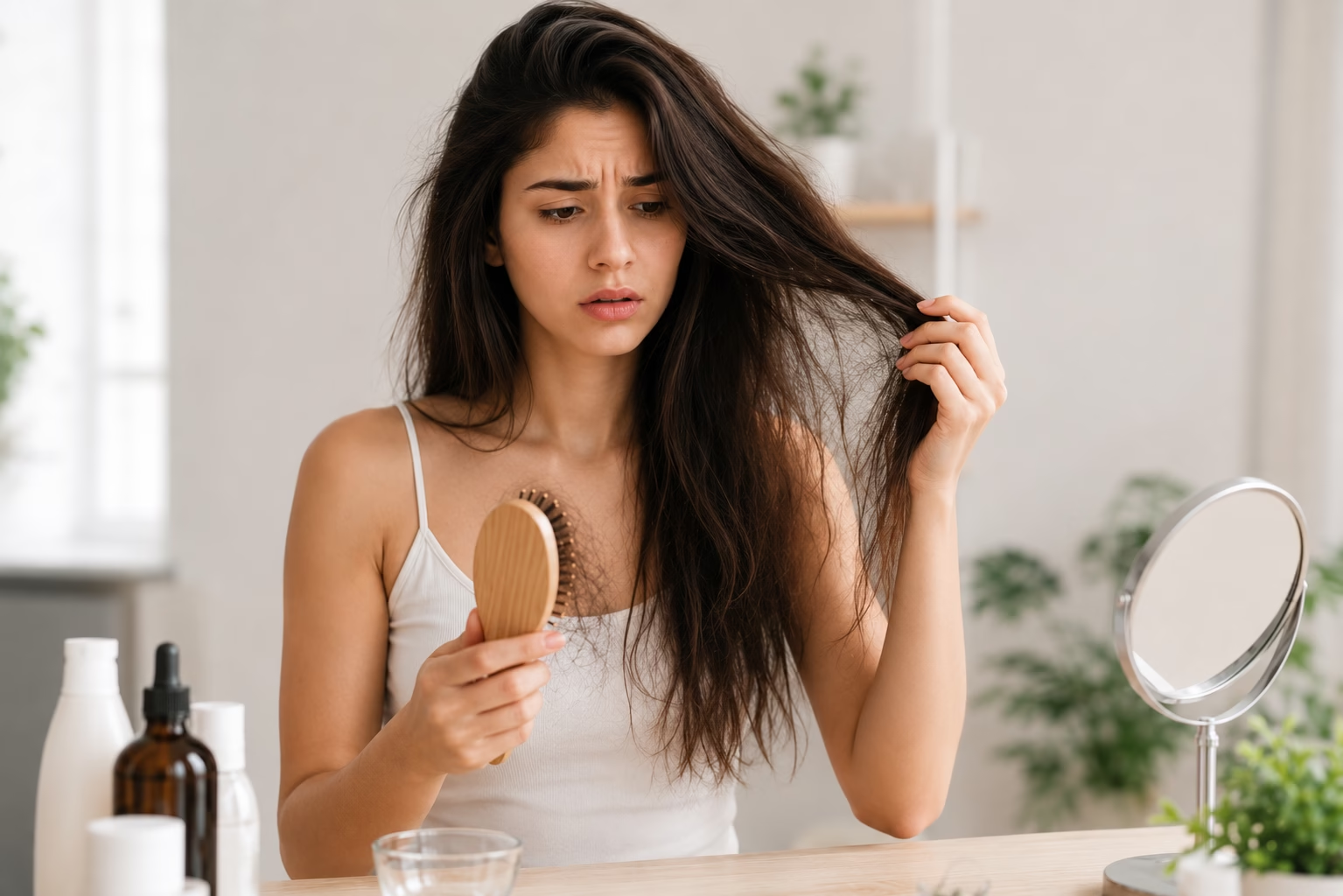
1. Hair Fall
What’s Making Our Hair Fall Out?
Hair fall has turned into a common and frustrating concern in today’s busy lifestyle. Several factors can be responsible for this issue, including:
- Nutritional gaps: Our hair roots may weaken if your body lacks key nutrients like iron, protein, biotin, or essential vitamins, leading to hair shedding.
- Hormonal changes: Women experiencing PCOS, thyroid issues, or going through menopause often face increased hair loss due to hormone imbalances.
- Stress overload: Both mental and emotional stress can disrupt the natural hair growth cycle, causing more strands to fall out.
- Frequent styling and heat exposure: Overusing heat tools like straighteners or curlers and chemical-based treatments can damage the hair structure, resulting in breakage and hair fall.
Natural Solution
Amla (Indian Gooseberry)
Amla (Indian Gooseberry) is a natural powerhouse for hair health, strengthening hair and preventing hair fall. Here’s why amla is beneficial:

- Vitamin C: Amla is rich in Vitamin C, which strengthens hair follicles and stimulates hair growth.
- Antioxidant Properties: Amla protects hair from environmental damage and premature graying.
- Scalp Nourishment: Amla deeply nourishes the scalp, reducing dandruff and preventing dry, flaky skin.
- Improves Hair Texture: Regular use of Amla makes hair shiny and manageable.
- Essential Fatty Acids: Amla is high in essential fatty acids that strengthen hair roots, prevent breakage, and enhance hair growth.
How to Use Amla for Hair
Incorporating Amla in Our Diet:
- Morning Routine: Drink 20-30 ml (about 2 tablespoons) of Amla juice on an empty stomach every morning for better absorption of nutrients.
- With Water: If the taste is strong, dilute the Amla juice with lukewarm water.
- Amla Juice with Lemon: Combine Amla juice with lemon juice and a pinch of black salt for a refreshing drink that benefits our hair and overall health.
Application of Amla on Hair:
Amla Hair Mask
- Combine amla powder with water to create a smooth paste. We can add yogurt or aloe vera gel for extra nourishment.
- Apply the paste evenly on your scalp and hair, ensuring thorough coverage.
- Leave it on for 30-45 minutes, then rinse and shampoo your hair. Apply this mask once a week to keep our hair healthy and shiny.
Amla and Henna Hair Pack
- Mix equal amounts of Amla powder and henna powder, adding water gradually to form a paste.
- Keep the paste for 4-5 hours or overnight.
- Apply it to your hair from scalp to ends, leave it on for 2-3 hours, then rinse and wash with a natural shampoo. Use this pack once or twice a month for strong, healthy hair.
Rosemary Oil
Rosemary oil stimulates blood circulation in the scalp, strengthening hair follicles and promoting hair growth.
Regularly massage your scalp with rosemary oil mixed with a carrier oil like coconut or olive oil to enhance hair growth.
Learn more about Rosemary Oil in our detailed Rosemary Oil for Hair Growth guide.
2. Dandruff
Why Is Our Scalp Flaky?
Dandruff often appears as dry flakes on the scalp, usually accompanied by itching. Some common causes include:
- Dry or overly oily scalp: Whether our scalp is too dry or produces too much oil, both conditions can trigger dandruff.
- Fungal overgrowth: A fungus named Malassezia can thrive on oily scalps and may lead to flaking and irritation.
- Lack of proper scalp hygiene: Irregular or improper hair washing can cause dead skin and product residue to build up, creating flakes.
- Seasonal effects: Dry and cold weather can often make dandruff symptoms more noticeable.
Natural Remedies
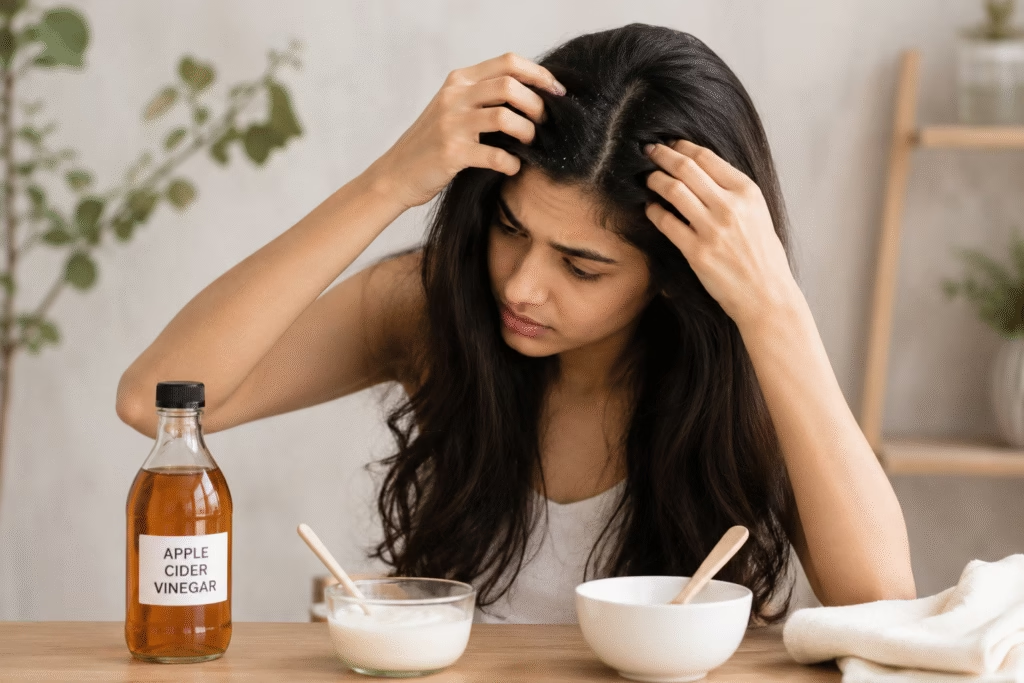
Yogurt Hair Mask
Yogurt has antifungal properties, making it a natural remedy for dandruff. It also moisturizes the hair and adds natural shine. Here’s how we can use yogurt for dandruff treatment.
Ingredients:
- 1 cup plain yogurt
- 1 tablespoon honey (optional)
Instructions:
- Whisk the plain yogurt and apply it directly to your scalp and hair.
- Let it sit for 30-40 minutes.
- Rinse it thoroughly with water and wash with a natural shampoo.
- For best results, repeat 1-2 times weekly.
Apple Cider Vinegar
Apple cider vinegar helps balance the scalp’s pH, which can reduce yeast growth.
- Mix equal parts of apple cider vinegar and water and rinse our hair with it after shampooing.
- For better results, repeat this process 2-3 times weekly.
3. Dry and Frizzy Hair
Why Does our Hair Feel Rough and Lifeless?
Hair that’s missing moisture tends to become rough, dry, and frizzy. This can happen due to:
- Too much shampooing: Using strong shampoos or washing hair too frequently can strip away its natural oils, leaving it parched and frizzy.
- Heat tools abuse: Using blow dryers, curling irons, or straighteners often can dehydrate hair and lead to frizz.
- Hard water: Hard water can make hair lose its smoothness, leading to a dry and unmanageable feel.
- Skipping conditioner: Not applying a conditioner after washing your hair can result in dryness and a dull appearance.
Natural Remedies
Coconut Oil
Coconut oil has moisturizing properties that penetrate deeply into the hair roots, providing deep conditioning.
- Warm the coconut oil and apply it from the scalp to the tips
- Massaging gently.
- Can leave it in hair for a few hours or overnight before washing it out.
Banana and Yogurt Hair Mask
Ingredients:
- 1 ripe banana
- 4-5 tablespoons of yogurt
Instructions:
- Mash the banana and mix it with yogurt until smooth.
- Apply this mask to your hair, covering it from root to tip.
- Leave it on for about 25-30 minutes, then rinse thoroughly with water and shampoo.
Benefits:
Banana softens the hair and adds shine, while yogurt provides natural moisture.
4. Split Ends
What’s Damaging the Ends of Our Hair?
Split ends leave our hair looking messy, brittle, and lacking smoothness. Here’s why they occur:
- Rough hair care habits: Brushing hair too often, combing it while wet, or drying it roughly with a towel can harm hair ends.
- Chemical treatments: Hair coloring, perming, or straightening treatments can weaken the hair tips, leading to splits.
- Ignoring trims: Regular trims are important. Without them, split ends can travel up the hair shaft, causing more damage..
Natural Remedies
Egg and Olive Oil Hair Mask
Eggs are rich in protein and essential nutrients that help repair damaged hair.
- Mix 1-2 egg yolks with 2 tablespoons of olive oil and apply it on hair.
- Focusing on the ends where split ends are common.
- Let it sit for 20-30 minutes, then rinse and shampoo hair.
Argan Oil
Argan oil has moisturizing properties that help repair damaged hair and keep it hydrated.
- After washing hair, apply 3-4 drops of argan oil to palms and rub them together,
- Then apply it to slightly damp hair.
5. Oily Scalp:
Why Does Our Head Feel Greasy?
A greasy scalp can make our hair look limp and unclean. This may happen due to:
- Excess oil production: Hormonal fluctuations or genetic factors can cause your scalp to produce too much oil.
- Using the wrong products: Heavy or creamy shampoos and oils may add to the greasiness if not suited to hair type.
- Not washing thoroughly: If the scalp isn’t cleaned properly, oil and dirt can accumulate, making it feel sticky and greasy.
Natural Remedies
Clay Hair Mask
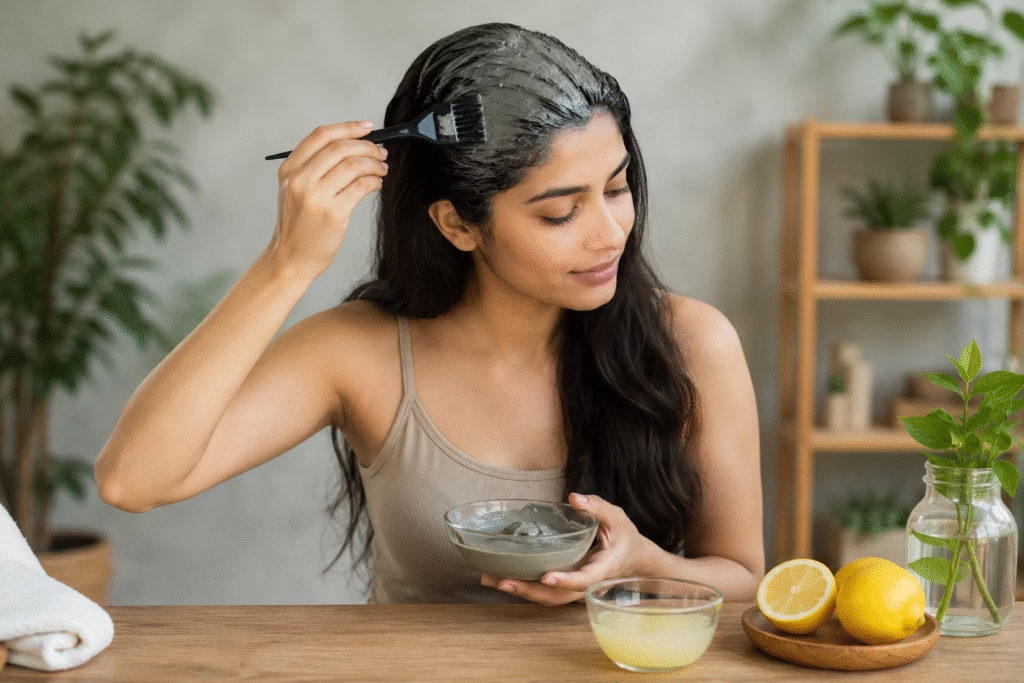
Clay masks like bentonite or kaolin clay absorb excess oil and cleanse dirt from the scalp.
- Mix the clay with water to form a thick paste.
- Apply it to scalp and hair.
- Leave it on for 15-20 minutes before washing thoroughly with water.
Lemon Juice
- Lemon juice is a natural astringent that helps control oil production.
- Dilute lemon juice with water and apply it as a rinse after shampooed hair.
- Leave it on for 20-30 minutes, then wash again with plain water.
6. Hair Thinning
Why Is Our Hair Getting Thinner?
Hair thinning happens gradually and can be influenced by various factors:
- Ageing: Aging naturally affects hair growth, often resulting in thinner and less dense strands over time.
- Inherited traits: If hair thinning runs in your family, you might be experiencing a genetic form of hair loss known as androgenic alopecia.
- Lack of key nutrients: Insufficient intake of biotin, proteins, and omega-3 fatty acids can weaken hair strands over time.
- Underlying health problems: Conditions such as anemia, thyroid issues, or autoimmune disorders can also lead to thinning hair.
Natural Remedies
Fenugreek Seeds
Fenugreek seeds are packed with protein and nicotinic acid, helping to strengthen hair and boost growth.
- Soak 2-3 tablespoons of fenugreek seeds overnight.
- Then grind them into a paste in the morning.
- Apply it to scalp.
- Allow it to stay for 30 minutes before washing it off.
Fenugreek seeds are rich in protein and essential nutrients that may help reduce hair fall, nourish the scalp, and improve overall hair health.
Discover how to use them in our Fenugreek Seeds for Hair Growth guide.
Castor Oil
Castor oil is high in ricinolein acid, which improves blood circulation in the scalp, stimulating thicker hair growth.
- Mix castor oil with a carrier oil like coconut or jojoba oil.
- Warm it, and massage it into scalp.
- Leave it on for a few hours before washing hair with shampoo.
If your hair feels thin, weak, or prone to breakage, castor oil is a popular natural remedy that helps moisturize the scalp and support stronger, healthier-looking hair.
Learn how to use effectively in our Castor Oil for Hair Growth guide.
7. Itchy Scalp
What’s Behind the Discomfort?
An itchy scalp can be irritating and distracting. Here are some potential reasons:
- Dryness: Using harsh shampoos or not drinking enough water can cause our scalp to dry out and itch.
- Product buildup: Residue from styling products like gels or serums can clog scalp’s pores, leading to irritation.
- Scalp conditions: Skin issues such as eczema, psoriasis, or lice can be major culprits behind an itchy scalp.
- Allergic reactions: Certain ingredients in hair products may not suit scalp and can trigger itching or redness.
Natural Solutions
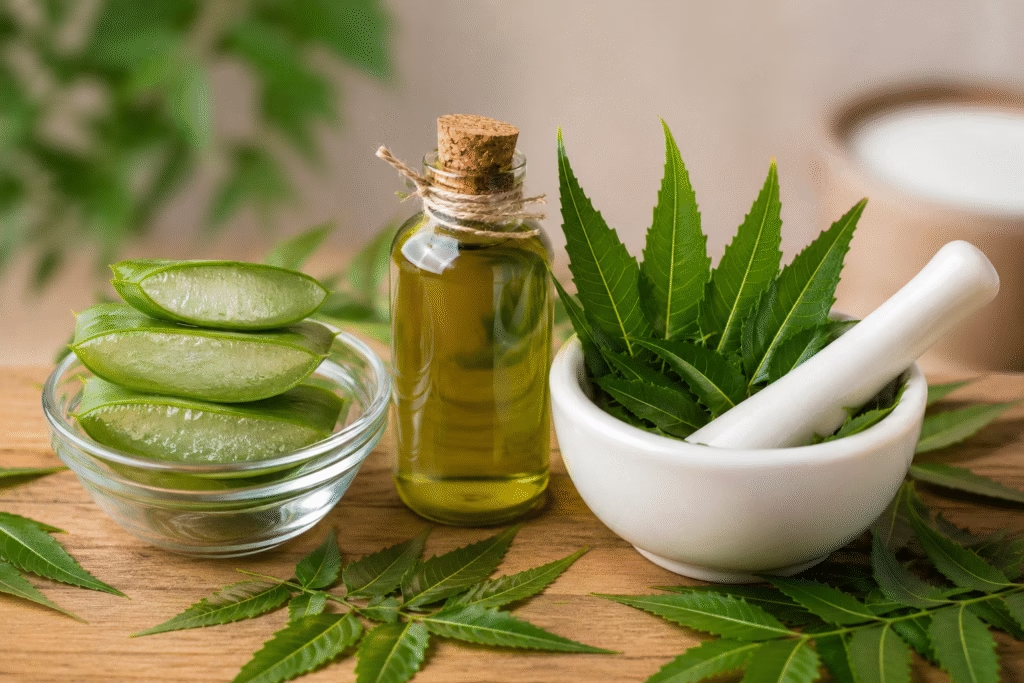
Aloe Vera
Aloe vera soothes the scalp and moisturizes it, providing relie from itching.
- Gently apply fresh aloe vera gel to scalp and let it sit for 30 minutes.
- Then rinse it off with water and shampoo hair.
Check out our complete Aloe Vera for Hair Growth article for benefits and easy DIY remedies
Neem Oil
Neem oil has anti-inflammatory and antifungal properties that treat scalp infections and help reduce itching.
- Mix neem oil with a carrier oil and apply it to scalp using gentle circular motions.
- Leave it on for an hour, then wash hair with shampoo.
Note: Always dilute the neem oil before use.

About the Author
Hi, I’m Shashi, founder of Natural Hair Growth. I write evidence-based articles on hair growth, scalp care, and natural remedies to help readers build healthier hair care routines. Read More About Shashi