
Table of Contents
ToggleBiotin for Hair Growth an Overview
Hair thinning and hair fall can happen for many reasons, including poor nutrition, stress, hormonal changes, and vitamin deficiencies.
One nutrient that often comes up in discussions about healthy hair is biotin, also known as vitamin B7. But does biotin really support hair growth, and who can benefit from it?
Biotin is a water-soluble B vitamin that helps your body convert food into energy. It also plays an important role in maintaining healthy hair, skin, and nails by supporting the production of keratin, the protein that gives hair its strength and structure.
While biotin may be especially helpful for people with a deficiency, it’s important to understand what the research says before starting any supplement.
In this guide, you’ll learn how biotin works, its potential benefits for hair growth, recommended dosage, natural food sources, possible side effects, and how to recognize the signs of a biotin deficiency.
What Does Scientific Research Say?
Current scientific evidence suggests that biotin is essential for healthy hair, but it is not a universal treatment for hair loss.
A 2017 review published in the Skin Appendage Disorders journal found that most reported improvements with biotin supplementation occurred in people who had an underlying medical condition or a confirmed biotin deficiency.
The authors concluded that there is limited evidence supporting biotin supplements for healthy individuals without a deficiency.
Another evidence review Published in the Journal of Clinical and Aesthetic Dermatology reached a similar conclusion. Researchers noted that although biotin is widely marketed for hair growth, high-quality clinical studies remain limited.
More well-designed human trials are needed before biotin can be recommended as a routine treatment for hair loss.
Overall, current research suggests that biotin supplementation is most beneficial for people who are actually deficient in biotin rather than those with normal biotin levels.
How Does it Support Hair Growth?
Biotin helps hair grow by supporting amino acids, which are the building blocks of keratin, the protein that forms hair.
Biotin acts as a helper in the body’s processes that keep hair follicles healthy. It helps turn food into energy that fuels the follicles, making hair stronger.
This can improve hair health, preventing damage, breakage, and thinning. Getting enough biotin from food or supplements can greatly boost strong, healthy hair growth and keep hair looking lively.
Benefits of Biotin for Hair Growth
Biotin supports healthy hair by helping your body produce keratin, the protein that gives hair its strength and structure.
While it may be most beneficial for people with a biotin deficiency, getting enough biotin can contribute to healthier-looking hair in several ways.
Here are some key ways it can benefit your hair:

Supports Keratin Production
Biotin plays an important role in keratin production, helping maintain strong, healthy hair and reducing the risk of damage and breakage.
Strengthens Hair Strands
By supporting the hair’s natural structure, biotin may improve hair strength and elasticity, making strands less likely to snap or split
Helps Reduce Hair Thinning
Caused by Deficiency A lack of biotin can contribute to hair thinning and increased shedding. Restoring adequate biotin levels may help improve hair health in people who are deficient.
May Improve Hair Thickness
Some studies suggest that biotin supplementation may improve the appearance of hair thickness and reduce brittleness, particularly in individuals with low biotin levels.
Promotes Healthier Hair Growth
Biotin helps support the normal function of hair follicles by assisting the body’s energy production, which is important for healthy hair growth.
Enhances Overall Hair Health
When combined with a balanced diet and proper hair care, biotin can contribute to hair that looks stronger, smoother, and fuller over time.
Note: Current scientific evidence suggests that biotin supplements are most effective for people with a confirmed biotin deficiency.
Healthy individuals with adequate biotin levels may not experience significant hair growth benefits from supplementation alone
Recommended Dosage of Biotin for Hair Growth
How much biotin you need depends on your age, overall health, and nutritional status.
For most healthy adults, the recommended daily intake is 30 micrograms (mcg), which is usually easy to obtain through a balanced diet.
If you have a confirmed biotin deficiency, your healthcare provider may recommend a higher dose for a specific period.
Many over-the-counter hair supplements contain 5,000–10,000 mcg of biotin, but taking more biotin does not necessarily mean faster or better hair growth.
Current research suggests that people with normal biotin levels are unlikely to see additional hair growth benefits from high-dose biotin supplements.
Instead, they may simply excrete the excess biotin because it is a water-soluble vitamin.
Tip: Before taking high-dose biotin supplements, consult a healthcare professional to determine whether you actually need them.
Identifying the underlying cause of hair loss is often more important than taking large amounts of biotin.
Sources of Biotin
Biotin is naturally present in various foods, including:
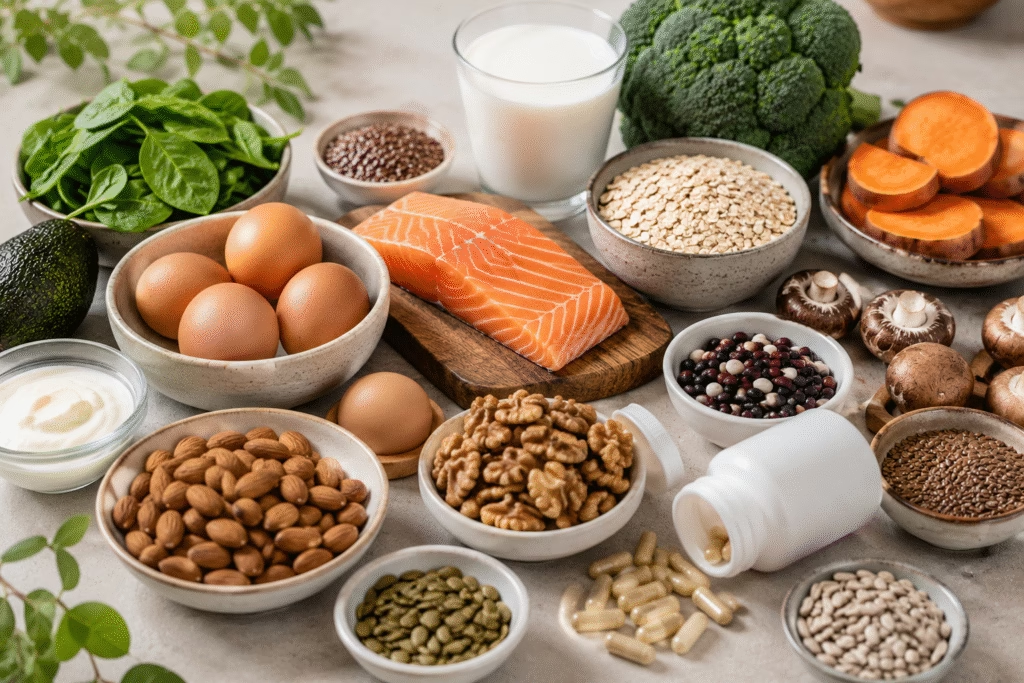
- Eggs
- Nuts and seeds (e.g., almonds, peanuts, sunflower seeds)
- Whole grains
- Meat (especially liver and pork)
- Fish (e.g., salmon, sardines)
- Dairy products (e.g., milk, cheese, yogurt)
To further support healthy hair, you may also find these guides helpful:
Biotin and Hair Growth
Although biotin is typically safe when consumed in recommended amounts, it’s crucial to speak with a healthcare professional before starting any supplement routine.
Especially for those with existing health issues or taking medications, professional advice is crucial.
Your healthcare provider can help ensure that taking biotin is safe and appropriate for your specific situation.
Overdosing on biotin supplements can occasionally cause adverse effects, although this is uncommon.
Potential side effects might include skin rashes, digestive upset, or interference with certain lab tests.
To avoid such issues, it’s vital to adhere to the recommended dosage and not exceed it without medical guidance.
By consulting a healthcare professional, you can gain a better understanding of how biotin may interact with your current medications or health conditions.
This step is essential for preventing any negative reactions and ensuring that the supplement will be beneficial for you.
Additionally, a professional can provide personalized advice on the right dosage and form of biotin for your needs.
Side Effects of Biotin
Biotin is commonly used to improve the health of hair, nails, and skin, and taking it in normal amounts is generally safe.
Biotin is generally considered safe when taken in recommended amounts. However, very high doses of biotin supplements can interfere with certain laboratory tests, including thyroid function tests and cardiac troponin tests.
Always inform your healthcare provider if you are taking biotin supplements before having blood tests.
Taking it in excessive amounts or due to allergic reactions can sometimes cause problems like pimples, redness on the face, or stomach issues.
People with thyroid or heart problems should consult a doctor before using biotin.
It’s always a good idea to seek a doctor’s advice before using biotin, especially if you have any health concerns.
How to Tell If You’re Low on Biotin
When your body doesn’t get enough biotin, it often shows up through a few noticeable signs:
- You might start seeing your hair thin out or even experience more hair fall than usual.
- Weak and easily breakable nails can also be a warning sign that your body needs more biotin.
- Some people also deal with dry, flaky skin or feel more tired than normal. In more serious cases, a lack of biotin can even cause mood swings or a tingling feeling in the hands and feet.
Paying attention to these early clues can help you catch a deficiency before it gets worse.
Final Thoughts
In conclusion, biotin plays an important role in maintaining healthy hair, skin, and nails by supporting keratin production and healthy hair follicles.
While biotin supplements may help improve hair growth in people with a biotin deficiency, they are not a guaranteed solution for every type of hair loss.
For the best results, combine a balanced diet, proper hair care, and healthy lifestyle habits while addressing the underlying cause of hair loss.
If you’re considering biotin supplements, consult a healthcare professional to determine whether they are the right choice for your individual needs.
Medical Disclaimer
This article is for educational and informational purposes only and should not be considered medical advice.
Biotin supplements may not be suitable for everyone, and hair loss can have many underlying causes.
Always consult a qualified healthcare professional before starting any new supplement, especially if you are pregnant, breastfeeding, have a medical condition, or take prescription medications.
Frequently Asked Questions
Is biotin effective for everyone in improving hair growth?
Biotin’s effectiveness varies among individuals, but it generally supports hair health by enhancing keratin production.
Can biotin reverse hair loss completely?
While biotin can promote hair growth and reduce hair loss due to deficiency, results may vary depending on the cause of hair loss.
What are the best natural sources of biotin for improving hair health?
Foods like eggs, nuts, whole grains, and certain vegetables are rich in biotin and can be beneficial for hair growth when included in a balanced diet.
Are there any specific shampoos or conditioners with biotin that can improve hair quality?
Biotin-infused hair products can provide external benefits like added strength and volume, but their effectiveness may vary compared to dietary supplements.
How long does it take to see noticeable results from biotin supplementation?
Significant improvements in hair quality may take several months of consistent biotin use, depending on individual health and hair growth cycles

About the Author
Hi, I’m Shashi, founder of Natural Hair Growth. I write evidence-based articles on hair growth, scalp care, and natural remedies to help readers build healthier hair care routines. Read More About Shashi