
Table of Contents
ToggleGinseng for Hair Growth an Overview
Watching your hair become thinner day by day can be discouraging, especially when you’ve already tried countless products and home remedies without seeing the results you hoped for.
It can be frustrating to spend time and money on products that promise amazing results but leave you disappointed.
The truth is that healthy hair starts with healthy hair follicles and a well-nourished scalp.
While no natural remedy can magically grow hair overnight, some ingredients have been studied for their potential to support stronger, healthier hair over time.One of those ingredients is ginseng.
Used in traditional Asian medicine for centuries, ginseng has recently gained attention because researchers are exploring how its natural compounds, called ginsenosides, may help support the hair growth cycle, improve scalp health, and reduce hair thinning.
Although research is still developing, early findings suggest that ginseng could be a valuable addition to a healthy hair care routine.
In this guide, you’ll learn what current research says about ginseng for hair growth, how it may benefit your scalp and hair, practical ways to use it at home, possible precautions, and whether it’s the right natural remedy for your hair care goals.
What is Ginseng?
Ginseng is a slow-growing perennial plant valued for its thick, fleshy roots, which have been used in traditional herbal medicine for centuries.
Instead of being limited to a single variety, ginseng is mainly available in two well-known forms: Asian ginseng (Panax ginseng) and American ginseng (Panax quinquefolius), each with its own unique characteristics and benefits.
While both offer health benefits, they contain different levels of active compounds and may have slightly different effects.
Ginseng is rich in natural plant compounds called ginsenosides, which are believed to be responsible for many of its health benefits.
These compounds have antioxidant and anti-inflammatory properties that may help improve scalp health, support healthy hair follicles, and promote stronger hair growth.
Because of these benefits, ginseng has become a popular natural ingredient in hair care products and home remedies for reducing hair thinning and encouraging healthier-looking hair.
What Does Research Say About Ginseng for Hair Growth?
Interest in ginseng for hair growth has increased because several laboratory and animal studies suggest that its active compounds, called ginsenosides, may influence the normal hair growth cycle.
Researchers believe these compounds may help support hair follicle cells, improve scalp health, and encourage follicles to remain in the anagen (growth) phase for a longer period.
A review published in the National Library of Medicine (PubMed) reported that ginseng and its ginsenosides showed promising effects on hair follicle biology in experimental studies.
However, the researchers also emphasized that most of the available evidence comes from laboratory and animal research, and more well-designed human clinical trials are needed before firm conclusions can be made.
Similarly, researchers have suggested that ginseng’s antioxidant and anti-inflammatory properties may help protect hair follicles from oxidative stress, which is one of several factors that can contribute to hair thinning.
While these findings are encouraging, ginseng should be viewed as a supportive part of a healthy hair care routine rather than a guaranteed treatment for hair loss.
Research | Key Finding |
Laboratory studies | Ginsenosides may stimulate hair follicle cells and support the anagen (growth) phase. |
Animal studies | Ginseng showed potential to improve hair growth and reduce oxidative stress around hair follicles. |
Human evidence | Early results are promising, but more large, well-designed clinical trials are needed before firm conclusions can be drawn. |
How Ginseng Helps in Hair Growth
Here are some key ways ginseng can support healthy hair growth and reduce hair-related issues:
Boosts Scalp Health
Ginseng nourishes hair follicles with essential nutrients, which improves oxygen supply to the scalp and stimulates better blood circulation.
It works by strengthening your hair right from the roots, and with time, it can noticeably reduce hair fall.
Nourishes Hair from the Roots
The natural compounds in ginseng, known as ginsenosides, help strengthen hair at the root level, minimizing breakage and hair fall. Regular use can lead to noticeably fuller, stronger, and healthier-looking hair over time.
Reduces Hair Loss
By minimizing inflammation and fighting oxidative stress, ginseng can help slow down or prevent hair loss caused by environmental damage, hormonal changes, and aging.
Hair loss isn’t always caused by one factor. Hormonal changes, stress, nutritional deficiencies, and scalp conditions can also play a role. Read our guide on Common Causes of Hair Thinning to understand what may be affecting your hair.
Stimulates New Hair Growth
Ginseng revitalizes dormant hair follicles, encouraging the growth of new hair strands.
Balances Oil Production
If your scalp is either too dry or too oily, ginseng helps balance sebum production, creating the perfect environment for healthy hair growth.
Benefits of Ginseng for Hair
Natural DHT Blocker
DHT (Dihydrotestosterone) is a hormone linked to hair loss, especially in men. Ginseng naturally helps block DHT, preventing hair thinning.

Adds Volume and Shine
With regular use, ginseng can make hair appear more voluminous and give it a healthy shine.
Combats Stress-Induced Hair Loss
Ginseng is known to reduce cortisol levels (stress hormone), helping fight hair fall triggered by stress.
Strengthens Hair Strands
Ginseng-infused hair care products can reduce brittleness, making hair stronger and less prone to breakage.
If you’re looking for another traditional herb that supports stronger, healthier hair, explore our guide on Hibiscus for Hair Growth, where you’ll learn how hibiscus may help reduce breakage and improve overall hair health.
How to Use Ginseng Remedy for Hair Growth Naturally
Ginseng is a powerful herbal hair remedy that can help boost hair growth, strengthen your roots, and improve scalp health.
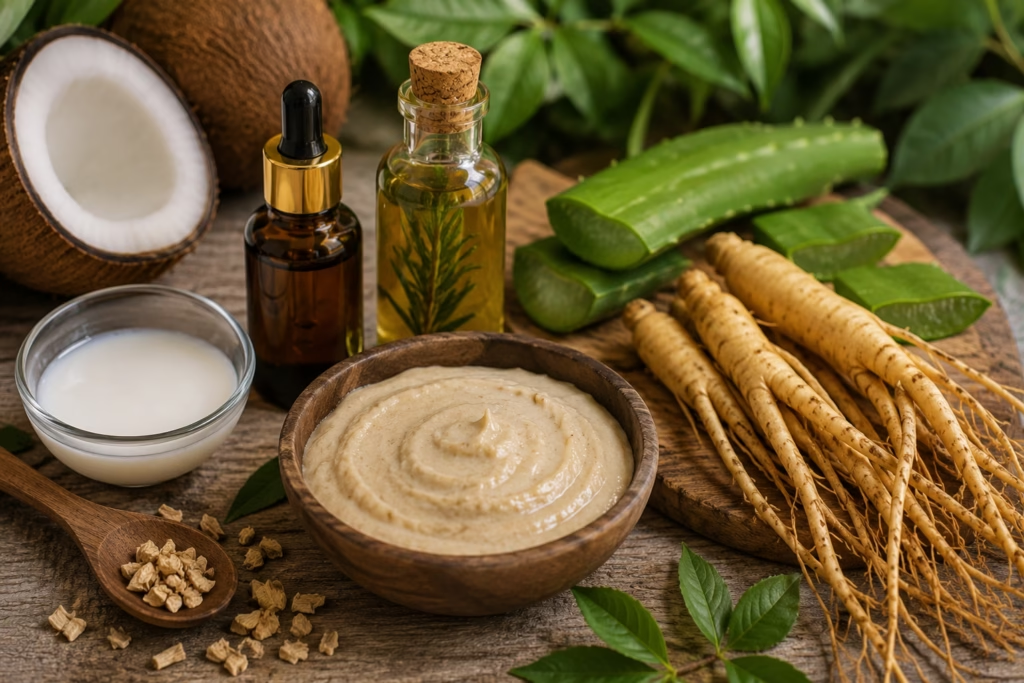
Here are a few simple, effective ways you can add ginseng to your daily hair care routine:
Ginseng Oil for Scalp Treatment
Give your scalp a nourishing boost with this soothing oil blend.
How to use
- Take a few drops of ginseng essential oil and mix them with a base oil like coconut, jojoba, or castor oil to create a nourishing blend.
- Slightly warm the oil mixture to enhance absorption.
- Using your fingertips, softly work the oil into your scalp in small, circular motions for around 5 to 10 minutes.
- Let the oil soak in for an hour. For deeper nourishment, leave it on overnight.
- Rinse it off with a mild, sulfate-free shampoo.
Homemade Ginseng Hair Mask
This natural hair mask helps condition the scalp and revitalize dull hair.
How to use
- Mix ginseng powder with fresh aloe vera gel and a splash of coconut milk to make a smooth paste.
- Spread the mixture gently across your scalp and through the length of your hair.
- Let it rest for 30–40 minutes.
- Wash thoroughly with lukewarm water.
Ginseng-Infused Hair Products
Adding ginseng to your everyday hair care routine can be simple and effective.
How to use
- Look for shampoos and conditioners that mention ginseng as an active ingredient.
- Use them regularly to gently strengthen your hair and support long-term growth.
If you enjoy natural hair masks, you may also like our guide on Aloe Vera for Hair Growth and Thickness, where we explain how aloe vera helps moisturize the scalp and reduce hair breakage.
If you enjoy making natural hair masks at home, don’t miss our guide on Hibiscus for Hair Growth, which explains how hibiscus may help strengthen hair, reduce breakage, and support a healthier scalp.
Ginseng Supplements for Hair
Nourish your hair from the inside out by adding natural ginseng supplements to your routine.

How to use
- Taking ginseng in capsule or powder form may help improve overall hair health.
- Before adding any new supplement to your diet, it’s best to consult a healthcare professional
DIY Hair Growth Serum
Boost your hair care regimen with this natural hair growth remedy, all-natural serum extract from ginseng for hair, that stimulates the scalp and encourages natural hair growth.
Ingredients
- 1 tablespoon ginseng extract or powder
- 2 tablespoons pure aloe vera gel
- 1 tablespoon coconut oil
- 5 drops rosemary essential oil
Instructions
- Mix all the ingredients thoroughly in a clean bowl until you get a smooth, even blend.
- Gently apply the serum to your scalp, paying special attention to the roots to help stimulate growth and nourishment.
- Leave it on your scalp for a minimum of 2 to 3 hours, or let it work overnight for maximum benefits.
- Rinse off using a gentle, herbal shampoo.
Pro Tip: Use this serum two to three times a week for visible improvements in hair strength, volume, and shine.
Since this serum also contains rosemary essential oil, you can read our complete guide on Rosemary Oil for Hair Growth to learn how to use it safely and effectively for healthier-looking hair.

Who Should Avoid Using Ginseng?
Although ginseng is generally considered safe for most people when used appropriately, it may not be suitable for everyone. You should use caution or consult a healthcare professional if you:
- Are pregnant or breastfeeding, as there is limited research on its safety during these stages.
- Have a known allergy to ginseng or other plants in the Araliaceae family.
- Take blood-thinning medications (such as warfarin), as ginseng may interact with certain medicines.
- Have sensitive skin or a scalp condition, since topical products may cause irritation in some individuals. Before applying ginseng to your scalp, test a small amount on a small area of skin and wait 24 hours to check for any signs of irritation or an allergic reaction.
- Have an underlying medical condition or are taking prescription medications, especially for diabetes or high blood pressure, and are considering ginseng supplements.
Note: If you experience persistent hair loss, sudden shedding, or scalp irritation, consult a dermatologist to identify the underlying cause instead of relying solely on natural remedies
Precautions When Using Ginseng for Hair Growth
- Patch Test: Always do a patch test before applying ginseng products to ensure you don’t have an allergic reaction.
- Choose Quality Products: Opt for high-quality ginseng extract or products from reputable brands.
- Avoid Overuse: Using too much ginseng can sometimes irritate sensitive skin. Stick to recommended quantities.
Success Tips for Growing Hair with Ginseng
- Be regular with your ginseng routine.
- Nourish your hair from within by maintaining a balanced diet rich in protein, essential vitamins, and minerals.
- Avoid heat styling tools and harsh chemical treatments as much as possible.
- Keep yourself well-hydrated and manage stress with calming practices like meditation, yoga, or mindful breathing.
Many Ayurveda followers apply ginseng-infused oils weekly during seasonal hair fall periods a practice I’ve personally found helpful in monsoon.
Even healthy ingredients like ginseng may not deliver the best results if everyday hair care habits are damaging your hair.
Read our guide on Hair Growth Mistakes to learn which habits may be slowing your hair growth without you realizing it.
Medical Disclaimer
The information provided on Natural Hair Growth is intended for educational and informational purposes only and should not be considered medical advice, diagnosis, or treatment.
Although some natural ingredients, including ginseng, have shown promising results in laboratory and early clinical research, no natural remedy can guarantee hair regrowth or prevent hair loss for everyone.
Results vary depending on factors such as the underlying cause of hair loss, age, genetics, overall health, nutrition, lifestyle, and consistency of use.
If you experience sudden, severe, or persistent hair loss, or have an underlying medical condition, consult a qualified dermatologist or healthcare professional before starting any new treatment or supplement.
Summary
Ginseng is a natural powerhouse that can breathe new life into dull, thinning hair. Its ability to strengthen roots, stimulate new growth, and nourish the scalp makes it a must-try ingredient for anyone serious about achieving healthier, fuller hair.
Ginseng doesn’t just energize the body — it can also revive tired hair follicles when used regularly. Whether you use it in oils, masks, shampoos, or supplements, the key is consistency.
Nature already has the answers — all you need to do is embrace them
Frequently Asked Questions
How long does it take to see results with ginseng?
Results usually start to show after 6–8 weeks of regular use, depending on individual hair conditions and lifestyle factors.
Can I Leave Ginseng Oil Overnight?
Yes, in most cases, you can leave a diluted ginseng hair oil on your scalp overnight if it doesn’t cause irritation.
If you have a sensitive scalp or are using ginseng for the first time, start by leaving it on for 30–60 minutes and perform a patch test before overnight use.
Can I Use Ginseng Every Day?
Yes, you can use topical ginseng products, such as shampoos, serums, or hair oils, according to the product instructions.
If you’re taking ginseng supplements, follow the recommended dosage on the label or consult a healthcare professional.
Using more than the recommended amount does not necessarily improve results.
Can I use ginseng on color-treated hair?
Yes! While ginseng is usually gentle on color-treated hair, it’s best to test a small area first to avoid any unexpected reactions.
Which Ginseng Is Best for Hair Growth?
Both Asian and American ginseng have beneficial properties, but Panax ginseng (Asian ginseng) is often preferred for hair-related benefits.

About the Author
Hi, I’m Shashi, founder of Natural Hair Growth. I write evidence-based articles on hair growth, scalp care, and natural remedies to help readers build healthier hair care routines. Read More About Shashi
