
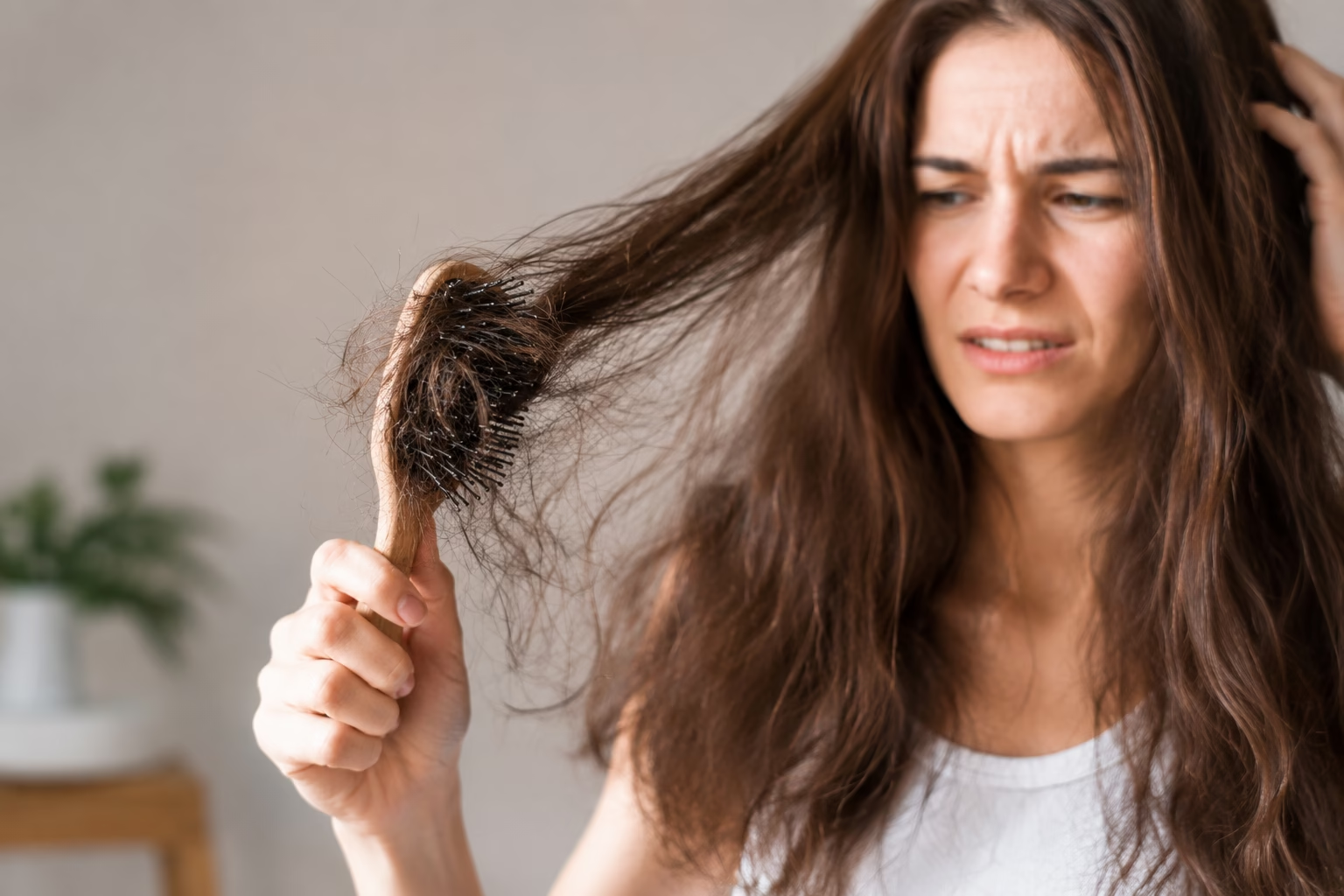
Shampoo is designed to cleanse your scalp and hair, but using the wrong product or washing your hair too often can sometimes do more harm than good.
Harsh cleansing ingredients, over washing, and products that don’t suit your hair type may affect your scalp’s natural balance and leave your hair dry, weak, or difficult to manage.
Here are some of the most common ways shampoo can damage your hair.
Harsh Cleansers Can Strip Natural Oils
Many shampoos contain strong cleansing agents that remove dirt, excess oil, and product buildup.
While cleansing is important, harsh detergents such as sulfates can also wash away the scalp’s natural oils (sebum).
These natural oils help keep your hair moisturized and protected. Without them, your hair may become dry, rough, and more prone to breakage.
Overwashing Can Dry Out Your Hair
Washing your hair every day may seem like a good way to keep it clean, but it can sometimes do more harm than good.
Frequent shampooing can remove the scalp’s natural oils, which help keep your hair soft, smooth, and protected. Without enough natural moisture, your hair may become dry, rough, and more likely to break or develop split ends.
Unless your hair gets oily very quickly or you have been advised otherwise by a dermatologist, washing your hair 2–3 times a week is enough for most people.
Those with oily scalps or active lifestyles may need to wash more often based on their individual needs.
Using the Wrong Shampoo for Your Hair Type
Not every shampoo works for every hair type. A shampoo that works well for oily hair may be too drying for dry or curly hair.
Likewise, using a heavy moisturizing shampoo on an oily scalp can leave your hair feeling greasy and flat.
Choosing a shampoo that matches your hair type and scalp condition helps maintain healthy, balanced hair.
Product Buildup Can Weigh Hair Down
Some shampoos contain silicones or heavy conditioning ingredients that may leave residue on the hair over time.
This buildup can make your hair look greasy, feel heavy, and lose its natural volume and shine.
Regularly using a gentle clarifying shampoo, when needed, can help remove excess buildup and keep your hair feeling fresh.
An Unhealthy Scalp Barrier Can Cause Irritation
Certain shampoos contain ingredients that may irritate sensitive scalps. This can lead to itching, redness, dryness, or flaking in some people.
When the scalp becomes irritated, it may affect the overall condition of your hair and make it more difficult to maintain a healthy scalp environment for hair growth.
Hair Breakage and Split Ends
Using harsh shampoos or washing your hair too frequently can weaken the outer layer of the hair shaft.
Over time, this may cause hair to become brittle, increasing the risk of breakage and split ends. If your hair is already dry, chemically treated, or heat damaged, using a gentle, moisturizing shampoo is usually a better choice.
Color-Treated Hair May Fade Faster
If you have color-treated hair, using a shampoo with harsh cleansing ingredients can cause your hair color to fade more quickly.
Strong cleansers may remove color molecules from the hair, leaving it looking dull and less vibrant.
Choosing a shampoo specially formulated for color-treated hair can help preserve color while keeping your hair soft and healthy.
To maintain healthy hair and protect it from damage, it’s essential to choose a shampoo that suits your hair type and scalp condition.
Here are some tips for selecting the right shampoo based on your hair type:

For Dry Hair
Look for shampoos that contain natural oils like argan oil, coconut oil, or jojoba oil. These ingredients help moisturize dry hair, keeping it soft and healthy.
For Oily Hair
Use a clarifying shampoo with ingredients like tea tree oil or aloe vera. These help control excess oil without drying out your hair.
For Sensitive Scalp
Opt for sulfate-free and fragrance-free shampoos to prevent irritation and soothe the scalp.
For Color-Treated Hair
Choose a shampoo with gentle cleansing agents designed for color-treated hair to maintain vibrancy and prolong hair color life.
Even if you use the right shampoo, improper washing techniques can still damage your hair. Follow these simple steps to keep your hair healthy:
Avoid Over washing
Washing your hair too frequently strips away natural oils, making it dry and lifeless. Washing your hair two to three times a week is generally sufficient to keep it clean and healthy.
Use Lukewarm or Cold Water
Avoid hot water, as it can weaken hair and strip moisture. Cold or lukewarm water helps retain shine.
Dilute Your Shampoo
Mix shampoo with water before applying to create a mild lather. This helps distribute it evenly without harsh effects.
Massage Your Scalp Gently
Use your fingertips to massage the scalp in circular motions while shampooing. This helps remove dirt and improves blood circulation.
Use conditioner after shampoo
After washing the hair, use a conditioner so that the hair remains soft and shiny and easy to manage.
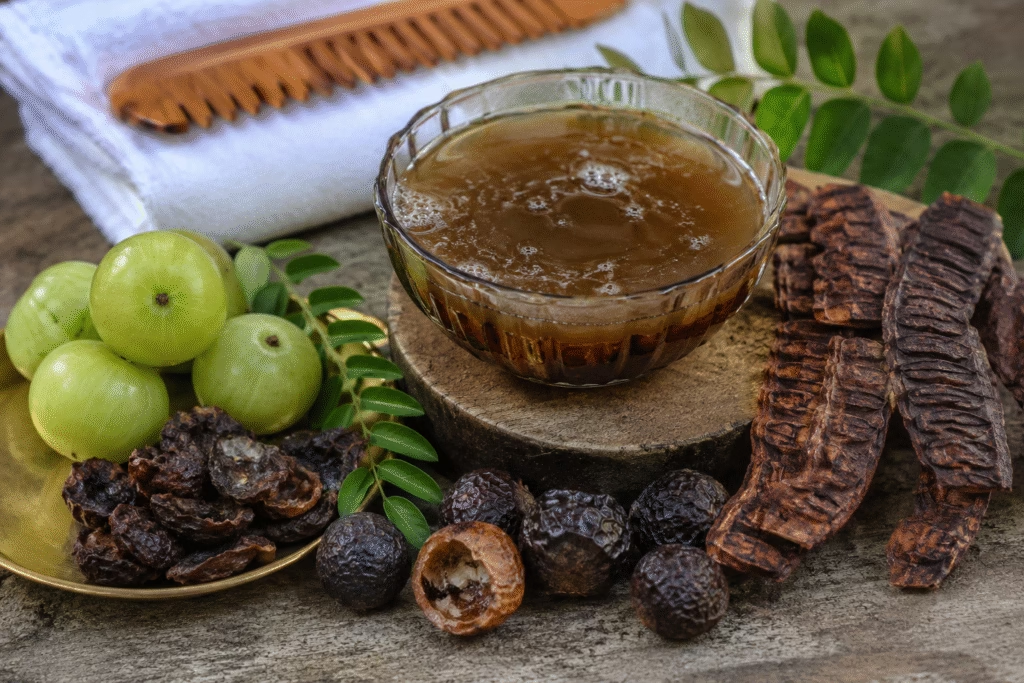
Use Herbal Shampoos
Opt for natural shampoos with ingredients like reetha, shikakai, and amla to maintain hair health and preserve natural oils.
If you’re unsure how often you should shampoo your hair, read our guide on How Often Should I Wash My Hair? Uncover the Facts to find the right washing routine for your hair type.
For a complete approach to healthier hair, explore The Ultimate Hair Care Routine: 7 Natural Tips for Healthy Hair Growth, where you’ll discover simple daily habits that support stronger, shinier, and healthier hair naturally.

About the Author
Hi, I’m Shashi, founder of Natural Hair Growth. I write evidence-based articles on hair growth, scalp care, and natural remedies to help readers build healthier hair care routines. Read More About Shashi