
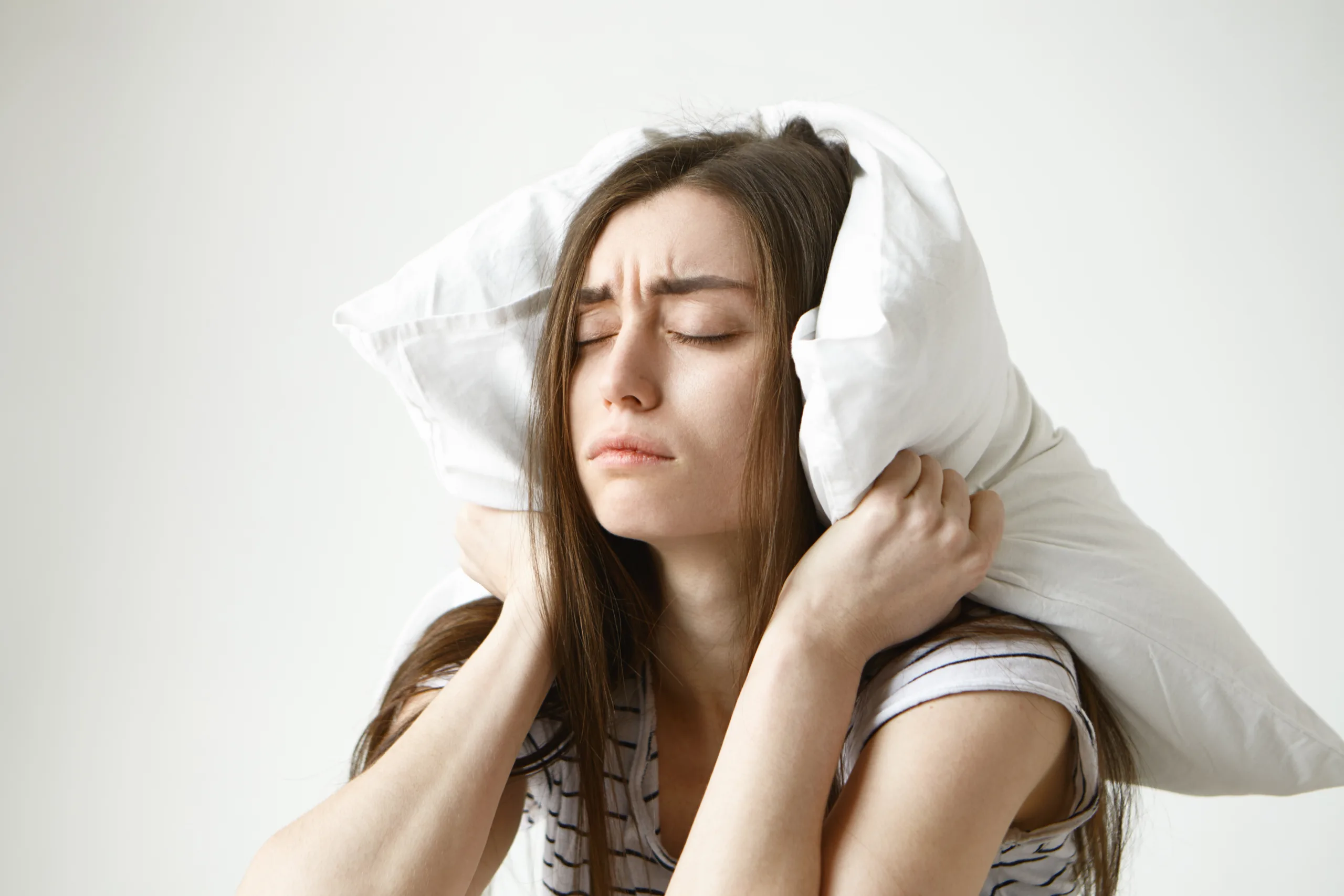
Recognizing the symptoms of stress-related hair loss is crucial for early intervention. Some common signs include:
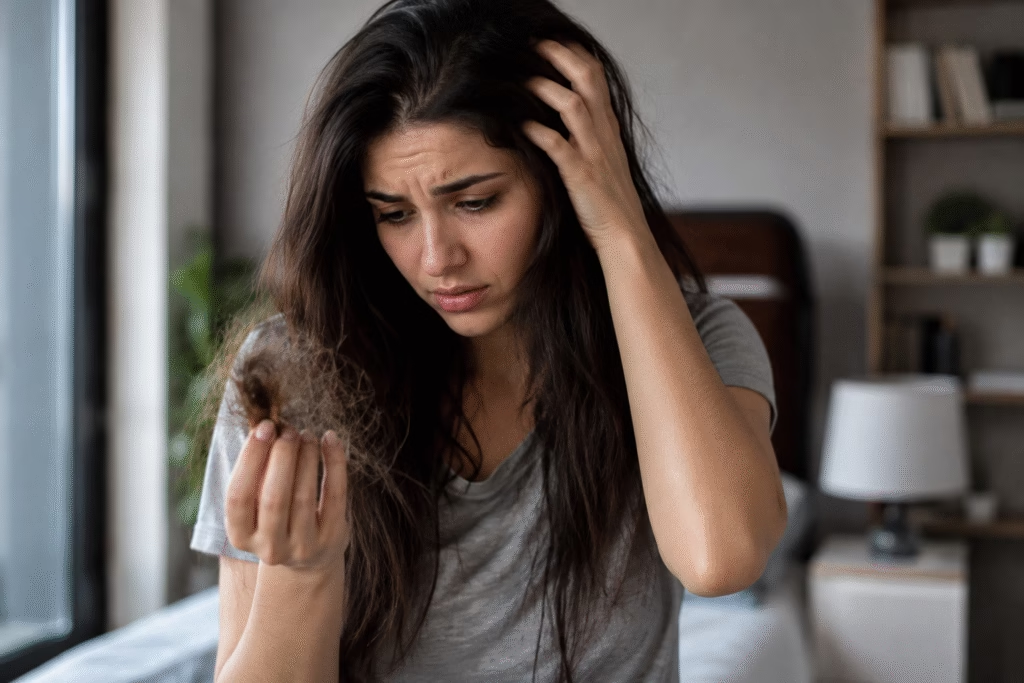
Increased Hair Shedding
Noticing more hair on your pillow, in the shower drain, or on your hairbrush can be an early indicator.
Diffuse Thinning
Unlike localized bald patches, stress-related hair loss often presents as a general thinning across the scalp.
Hair Texture Changes
Stress can also affect the quality of your hair, making it dry, brittle, and more prone to breakage.

Managing stress is crucial for preventing and reduce hair loss. Here are some effective strategies:
Mindfulness and Meditation
Practices such as mindfulness and meditation can significantly reduce stress levels, promoting a sense of calm and relaxation.
Exercise
Regular physical activity is a natural stress reliever. Exercise helps lower cortisol levels and releases endorphins, which improve mood and reduce stress.
Adequate Sleep
Quality sleep is vital for managing stress. Ensure you get 7-9 hours of restful sleep per night to support overall health and reduce stress.
The Role of Nutrition
A balanced diet rich in essential vitamins and minerals is crucial for healthy hair growth. Nutrients such as biotin, vitamin E, zinc, and iron play a significant role in maintaining hair health.
Stress can decrease these vital nutrients, so it’s important to maintain a nutritious diet during stressful times.
When to Seek Professional Help
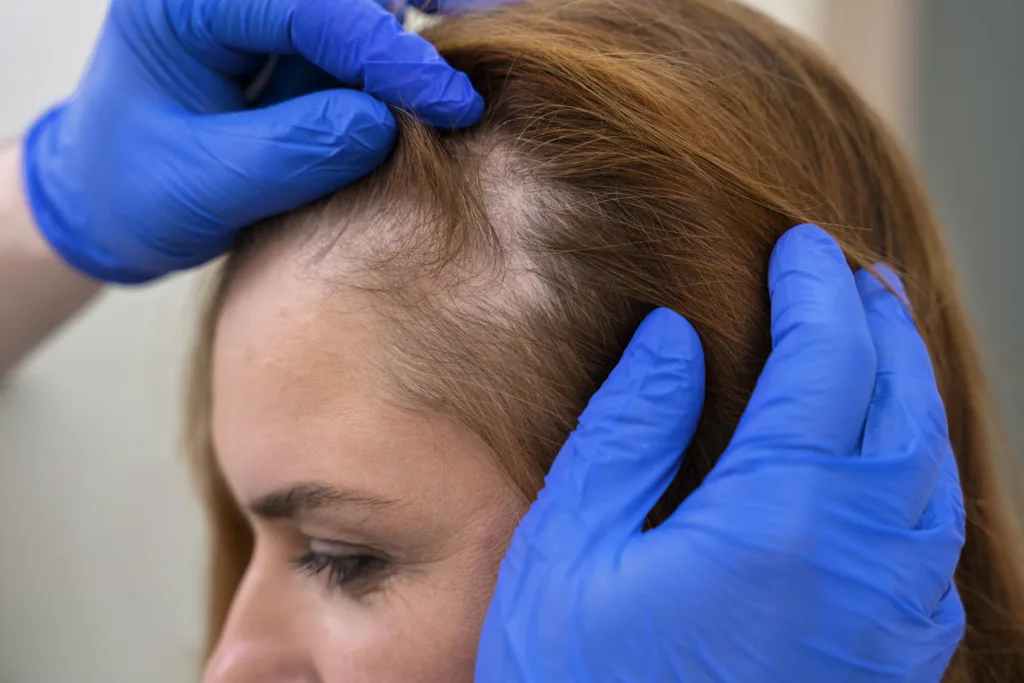
If you notice persistent or severe hair loss, it’s essential to consult a healthcare provider. They can rule out other underlying conditions and provide appropriate treatments.
Dermatologists and trichologists specialize in hair and scalp health and can offer targeted therapies to address stress-related hair loss.
Psychological Impacts of Hair Loss
Hair loss itself can be a significant source of stress, creating a difficult cycle. The psychological impact of losing hair can lead to anxiety, depression, and a decrease in self-esteem.
Addressing the emotional aspects through counselling or support groups can be beneficial.
Understanding that stress-induced hair loss is usually temporary can also provide reassurance and reduce anxiety.
Latest Research and Developments
Recent studies have explored the role of stress hormones and their impact on hair follicles.
Advances in understanding the biological mechanisms of stress-induced hair loss have led to new treatments aimed at reduce its effects.
Researchers are also investigating the role of inflammation and the immune system in stress-related hair conditions, potentially cover the way for innovative therapies.
Effective Treatments and Therapies
Topical Treatments
Products containing minoxidil can stimulate hair growth and are often recommended for stress-related hair loss.
Oral Medications
In some cases, doctors may prescribe medications to reduce hair loss and promote regrowth.
Therapies
Techniques such as laser therapy and PRP (platelet-rich plasma) injections have shown promise in promoting hair regrowth and improving scalp health.
Lifestyle Changes to Reduce Stress and Promote Healthy Hair Growth
Incorporating stress-reducing practices into your daily routine can have a significant impact on hair health. Consider these lifestyle changes:
Regular Exercise
Engage in regular physical activity, such as yoga, jogging, or swimming, to help lower stress levels and promote overall well-being.
Balanced Diet
Ensure your diet is rich in essential nutrients that support hair health, including vitamins, minerals, and proteins.
Hydration
Ensure you drink enough water to keep your body and hair properly hydrated.
Relaxation Techniques
Practice relaxation techniques such as deep breathing exercises, meditation, and progressive muscle relaxation to manage stress.
Healthy Sleep Habits
Establish a regular sleep routine and create a restful environment to ensure you get enough sleep.
Related Links
- Does Exercise Cause Hair Loss? 5 Hair Loss Facts
- How Much Hair Loss is Normal?
- 10 Best Yoga Poses for Healthy Hair Growth Naturally
Conclusion
Stress-related hair loss can be alarming, but in most cases it isn’t permanent. Identifying the cause early, managing stress, eating a nutrient-rich diet, and seeking medical advice when needed can help restore healthy hair growth.
If your shedding continues for more than six months or is accompanied by bald patches, consult a dermatologist for an accurate diagnosis..
Frequently Asked Questions
Can stress cause immediate hair loss?
No, stress-induced hair loss, such as telogen effluvium, typically occurs several weeks to months after a stressful event. The hair follicles prematurely enter the resting phase, leading to noticeable shedding later.
Is hair loss due to stress permanent?
Hair loss caused by stress is usually temporary. Once the stress is managed and the hair growth cycle returns to normal, hair typically grows back over time.
What are some effective ways to manage stress and prevent hair loss?
Effective stress management techniques include mindfulness and meditation, regular exercise, adequate sleep, and maintaining a balanced diet rich in essential vitamins and minerals. These practices can help reduce stress levels and support healthy hair growth.
When should I seek professional help for my hair loss?
If you experience persistent or severe hair loss, it is important to consult a healthcare provider. They can rule out other underlying conditions and provide appropriate treatments.

About the Author
Hi, I’m Shashi, founder of Natural Hair Growth. I write evidence-based articles on hair growth, scalp care, and natural remedies to help readers build healthier hair care routines. Read More About Shashi