
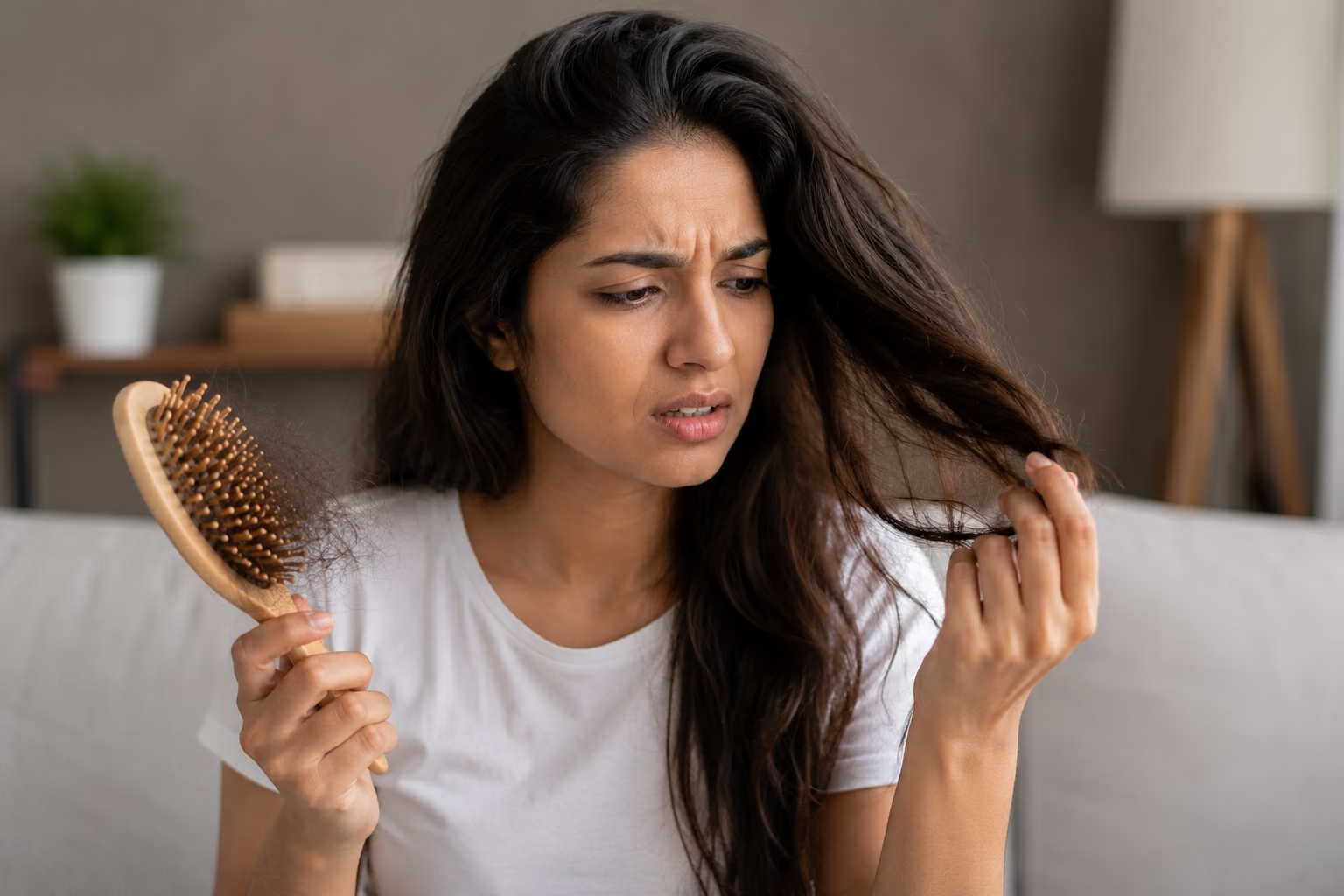
1. Genetics
Genetics Role in Hair Thinning:
Hair thinning can be caused by genetics, which is a major factor. If baldness runs in your family, you might also experience androgenic alopecia, a common form of hair loss that affects both men and women.
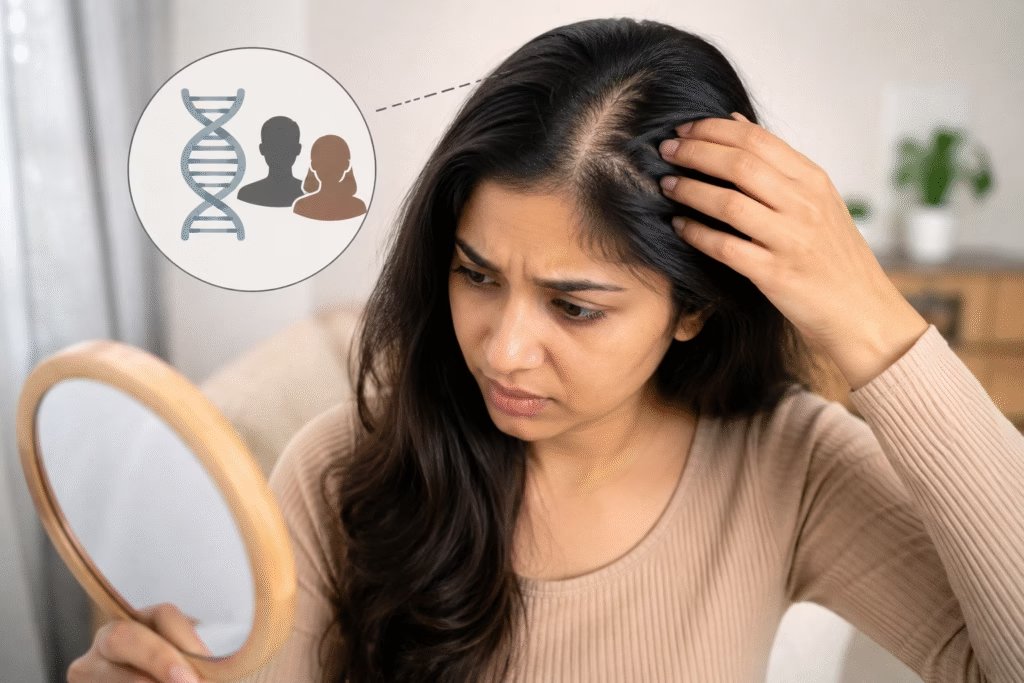
This condition can lead to gradual hair loss and causes of hair thinning over time. Here are some solutions to manage it.
Solutions
Early intervention
Start treatment as soon as you notice hair thinning. Products containing minoxidil or finasteride can help slow down hair loss.
Hair transplant
In more severe cases, hair transplant surgery can redistribute healthy hair follicles to thinning areas, providing long-term results.
2. Hormonal Imbalances
How Fluctuations Affect Hair Health
Hormonal imbalances, especially during pregnancy, postpartum, menopause, or thyroid issues, are key causes of hair thinning. Imbalances in hormones like estrogen or testosterone can weaken hair follicles, leading to more hair fall.
Solutions
Hormone therapy
Consult a hair health specialist to see if hormone therapy is right for you. It can help manage hormonal imbalances and reduce hair thinning.
Diet and supplements
Include Omega-3 fatty acids, zinc, and biotin in your diet. If needed, you can also take oral supplements for added support.
3. Stress and Emotional Health
The Connection Between Stress and Hair Loss
High levels of stress can trigger a condition known as telogen effluvium, where hair prematurely enters the resting phase, leading to hair thinning and excessive shedding.
This type of hair loss is usually temporary but can be alarming.

Solution
Stress management
Practice stress-reducing activities like meditation, yoga, and regular exercise to improve your emotional well-being.
Practice stress-reducing activities like meditation, yoga, and regular exercise to improve your emotional well-being.
Certain yoga posesmay also help improve relaxation and support a healthy scalp by promoting
better blood circulation. Learn more in our guide on 10 Best Yoga Poses for Healthy Hair Growth.
Scalp massage
Gentle scalp massage with essential oils like lavender or rosemary can improve circulation and reduce hair shedding caused by stress.
4. Nutritional Deficiencies
Why a Balanced Diet is Essential
A lack of essential vitamins and minerals like iron, Vitamin D, zinc, and protein can weaken hair and lead to thinning.
Malnutrition affects the health of your scalp and hair follicles, causes of hair thinning.
Solutions

Balanced Diet
Include protein-rich foods like eggs, fish, and nuts in your diet. For iron, vitamins, and omega-3 fatty acids, add leafy greens, berries, and seeds like flaxseeds.
Supplements
If you’re not getting enough nutrition from your diet, consider consulting a healthcare provider about taking supplements to fill the gap.
Want to improve your hair through nutrition? Explore our guide on 7 Superfoods for Healthy Hair Growth to discover nutrient-rich foods that support stronger, healthier hair naturally.
5. Over styling and Hair Damage
The Impact of Hair Treatments
Frequent use of heat styling tools like blow dryers and straighteners, along with chemical treatments like hair coloring, perming, or tight hairstyles, can damage hair follicles over time, leading to hair thinning.
Solutions
Minimize heat styling
Reduce the use of heat tools like straighteners or curling irons, and always apply heat protectant spray when using them.
Gentle hair care
Opt for sulfate-free or natural shampoos, and avoid tight hairstyles that put stress on your scalp.
6. Aging
Natural process of hair Thinning over the time
As we age, hair density and growth slow down, causing hair to become thin and weak. This is due to reduced production of natural oils and proteins that keep hair healthy.
Solutions:

Use nourishing hair products
Choose shampoos and conditioners designed to strengthen and thicken hair.
Hair thickening treatments
Use volumizing mousse, sprays, or serums to temporarily thicken your hair.
7. Medical Conditions
How health issue affect hair growth
Certain health conditions like alopecia areata, scalp infections, and autoimmune diseases can damage hair follicles. Conditions like lupus and diabetes may also affect hair health, causes of hair thinning.
Solutions
Treat the underlying condition
Work with a healthcare provider to manage the medical condition with medication and lifestyle changes.
Topical treatments
In some cases, topical treatments like corticosteroids can reduce inflammation and help restore hair growth.
8. Medications
Drugs can causes hair Thinning
Some medications, such as chemotherapy, blood pressure medicines, antidepressants, and birth control pills, causes of hair thinning as a side effect.

Solutions
Consult your doctor
If you suspect medication is causing hair thinning, consult your doctor to adjust your dosage or explore alternatives.
Strengthening treatments
Use keratin masks and natural hair oils to help repair and strengthen your hair.
9. Poor Scalp Health
foundation of hair growth
A healthy scalp is essential for hair growth. Conditions like dandruff, psoriasis, and fungal infections can weaken hair follicles and causes of hair thinning.
Solutions
Exfoliate the scalp
Use a scalp scrub or mild exfoliating shampoo to remove dead skin cells and promote a healthy scalp, reducing dandruff and infections.
Anti-dandruff treatment
Use shampoos with ingredients like ketoconazole or zinc pyrithione to treat dandruff, or try natural remedies like yogurt.
10. Environmental Factors
Impact of Pollution and Toxins on Hair
Solutions
Protective measures
Wear a hat or cover your hair in harsh weather, and use UV protection leave-in conditioners.
Detoxify the scalp
Use a clarifying shampoo at least once a week to remove buildup from pollutants and styling products.
General Solutions for Hair Thinning
Beyond addressing specific causes, there are general practices that can help improve hair thickness and strength.

Natural oils
Use oils like castor, coconut, or argan oil in your hair care routine to nourish and strengthen your hair. These oils enhance blood circulation on the scalp, promoting better hair growth.
Regular trimming
Trim your hair regularly to prevent split ends, which can slow down growth.
Scalp treatments
Micro needling or laser therapy can promote blood circulation in the scalp, encouraging healthier hair growth.
If you’re looking for more natural ways to improve hair thickness, don’t miss our article on How to Get Thicker Hair: 7 Natural Ways to Achieve Thicker Hair.

About the Author
Hi, I’m Shashi, founder of Natural Hair Growth. I write evidence-based articles on hair growth, scalp care, and natural remedies to help readers build healthier hair care routines. Read More About Shashi
you are in point of fact a excellent webmaster. The web site loading pace is incredible. It kind of feels that you’re doing any distinctive trick. Also, The contents are masterwork. you’ve done a wonderful job in this subject!