

Table of Contents
ToggleAmla for Hair Growth An Overview
Amla, also called Indian gooseberry, is a fruit known for its great health benefits. It contains vitamins, minerals, and antioxidants and has been used for a long time to improve health.
But its role in hair care is what makes it truly special, amla is like a miracle for hair. It strengthens hair follicles and gives proper nourishment to the scalp.
Improving hair health and promoting hair growth and improve the overall texture and health of the hair, It also helps prevent premature greying.
In this article, we will discuss different ways to use amla for hair care, which will help improve the health and appearance of your hair.
The high vitamin C content in amla helps produce collagen, which is crucial for hair strength and elasticity.
Amla is also loaded with antioxidants and anti-inflammatory properties that protect the scalp from damage and reduce the chances of hair thinning.
Nutritional Profile of Amla for Hair Growth
Amla is rich in nutrients, making it an excellent remedy for hair growth. Here are some key nutrients found in amla that benefit hair:
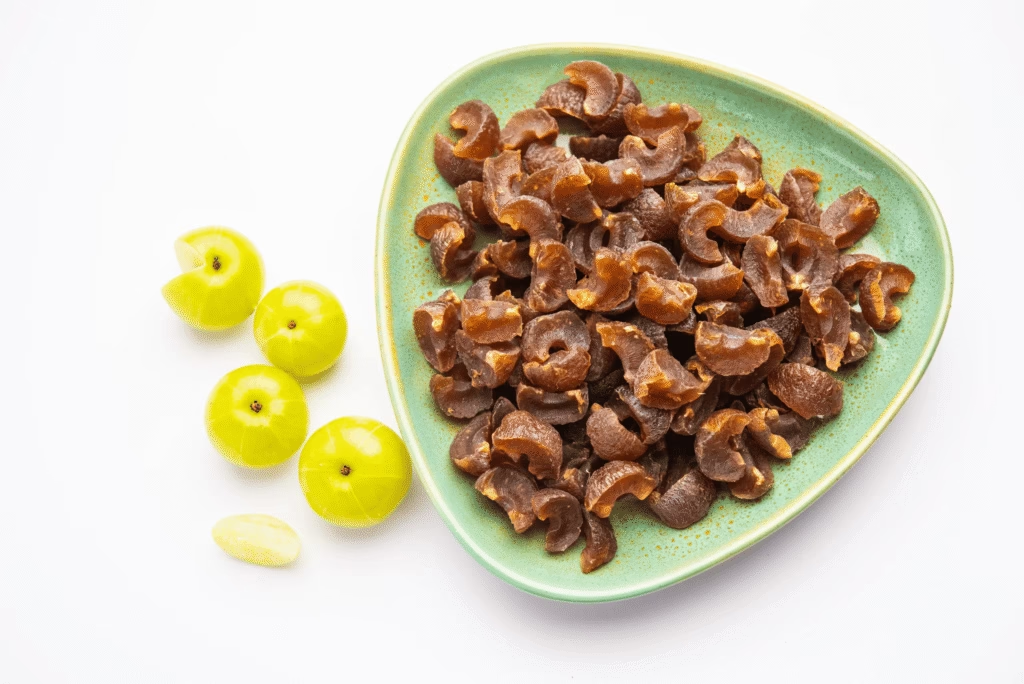
Vitamin C
Amla has a high amount of Vitamin C, a powerful antioxidant that helps reduce oxidative stress, which can lead to hair loss.
Vitamin C also supports collagen production, essential for healthy hair and skin.
Iron
Iron is crucial for the body as it improves blood circulation, which is essential for healthy hair.
Calcium
The calcium in amla keeps the scalp healthy and strengthens hair follicles, promoting hair growth.
Tannin
Amla contains tannin, which protects hair from environmental damage and UV rays, keeping hair safe from harsh weather and sun exposure.
Amino Acids
Amla also has amino acids that help in protein production, which is essential for keratin—a protein that gives hair shine and strength
Research on Amla and Hair Growth
Scientific research on amla for hair growth is still developing, but the early findings are encouraging.
A randomized controlled trial published in the Journal of Ethnopharmacology reported that women with female pattern hair loss who consumed an amla-based syrup for 12 weeks experienced an improvement by keeping hair in its growing phase for a longer time.
These results suggest that amla may support healthy hair growth, although the researchers emphasized that larger clinical trials are needed before it can be recommended as a proven treatment for hair loss.
What Does the Research Really Tell Us?
Research on amla and hair health is still developing. Some studies have reported promising findings, including research on oral amla supplementation and preclinical studies of topical amla preparations.
However, these findings are not enough to establish amla as a proven treatment for hair loss.
The available evidence suggests that amla may have potential as part of a hair-care routine, but more human clinical research is needed to understand its direct effects on hair growth.
Benefits of Amla for Hair Growth
Amla has been used in traditional Indian hair care for generations. It is naturally rich in vitamin C and contains various plant compounds with antioxidant properties.
While research on amla specifically for hair growth is still limited, it can be a useful addition to a gentle hair-care routine.
Helps Support Overall Hair Health
Amla contains vitamin C and other nutrients that contribute to overall health. When included as part of a balanced diet, nutrient-rich foods such as amla can support the body’s normal functions that are important for healthy hair.
May Help Improve Hair and Scalp Condition
Amla is traditionally used in hair oils, masks, and other preparations. These applications may help condition the hair, improve softness, and make dry or dull-looking hair feel more manageable.
Provides Antioxidant Compounds
Amla is known for its high vitamin C content and other antioxidant compounds. Antioxidants help protect cells from oxidative stress, although this does not mean that applying amla directly to the scalp has been proven to stimulate new hair growth.
May Help With the Appearance of Dry or Damaged Hair
Amla-based hair treatments can provide conditioning and may help improve the look and feel of dry hair.
Using a suitable amount and following it with proper cleansing and conditioning can help keep the hair soft and manageable.
Overall, amla can be a useful addition to a natural hair-care routine. It may help condition the hair, improve its feel and appearance, and provide antioxidant-rich plant compounds.
However, its effects can vary from person to person, and it should not be considered a guaranteed solution for hair loss or hair growth.
7 Methods of Using Amla for Hair Growth
Amla for Hair Growth: Oil Massage
Ingredients
2 tablespoons of amla oil
How to Use
- Warm the amla oil using the double boiling method.
- Massage the oil into your scalp gently for 10-15 minutes to improve blood circulation.
- For best results, leave it on for at least 30 minutes or overnight.
- Wash your hair with a mild or natural shampoo.
Benefits
Amla oil is a popular method for hair growth. Regular use may nourishes hair, strengthens it, reduces dandruff, and adds a natural shine.
Amla for Hair Growth Mask
Ingredients
2-3 tablespoons of amla powder, 2 tablespoons of yogurt
How to Use
- Mix amla powder with yogurt and water to make a paste.
- Apply evenly to your scalp and hair.
- Leave it on for 30-40 minutes, then rinse with lukewarm water.
Benefits
This mask nourishes the scalp, strengthens hair roots, adds volume, and improves shine. It may deeply conditions the hair and promotes growth.
Amla and Henna Hair Mask
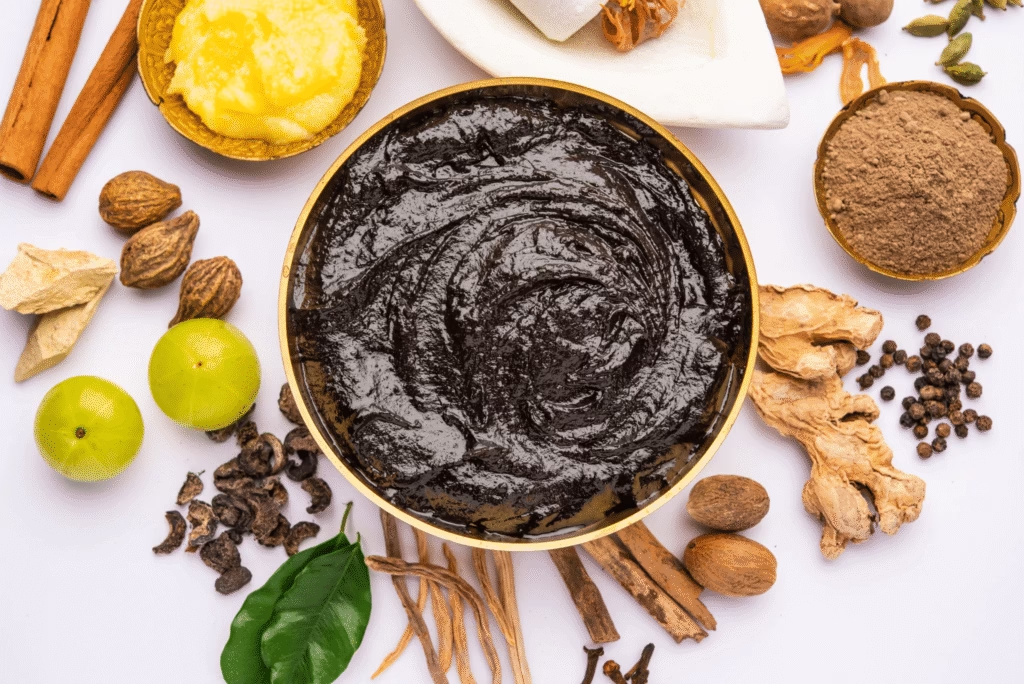
Ingredients
2 tablespoons of amla powder, 2-3 tablespoons of henna powder, water
How to Use
- Mix amla and henna powders with water to make a past.
- Apply the paste to your scalp and hair, and leave it for 1-2 hours.
- Rinse with water.
Benefits
This mask promotes hair growth and enhances your hair’s natural color. It nourishes the scalp, strengthens hair, reduces hair fall, and improves overall hair health.
Amla and Coconut Oil Infusion
Ingredients
1 tablespoon of amla powder, 2 tablespoons of coconut oil.
How to Use
- Heat the coconut oil and add amla powder.
- Let it cool, then apply to your scalp.
- Leave it on for a few hours or overnight, then wash with shampoo.
Benefits
Amla and coconut oil make a strong combination for hair growth. This mask moisturizes the scalp, reduces inflammation, and may promotes hair regrowth from the roots.
If you’re interested in using henna as part of your natural hair-care routine, read our guide on Benefits of Henna for Hair to learn about its benefits, uses, and precautions.
Amla and Aloe Vera Mask
Ingredients
2 tablespoons of amla powder, fresh aloe vera gel
How to Use
- Mix amla powder with aloe vera gel to make a smooth paste.
- Spread the mask over to your scalp and hair.
- Leave it on for 30-45 minutes, then rinse with water.
Benefits
Aloe vera and amla stimulate hair follicles, promoting healthy growth. They hydrate the scalp, reduce dryness, and prevent hair breakage. This mixture may revives hair and adds natural shine and smoothness.
You can also explore our guide to How to Use Aloe Vera for Hair for simple ways to use aloe vera in your hair-care routine and tips for getting the most from this soothing plant.
Amla and Shikakai Hair Cleanser
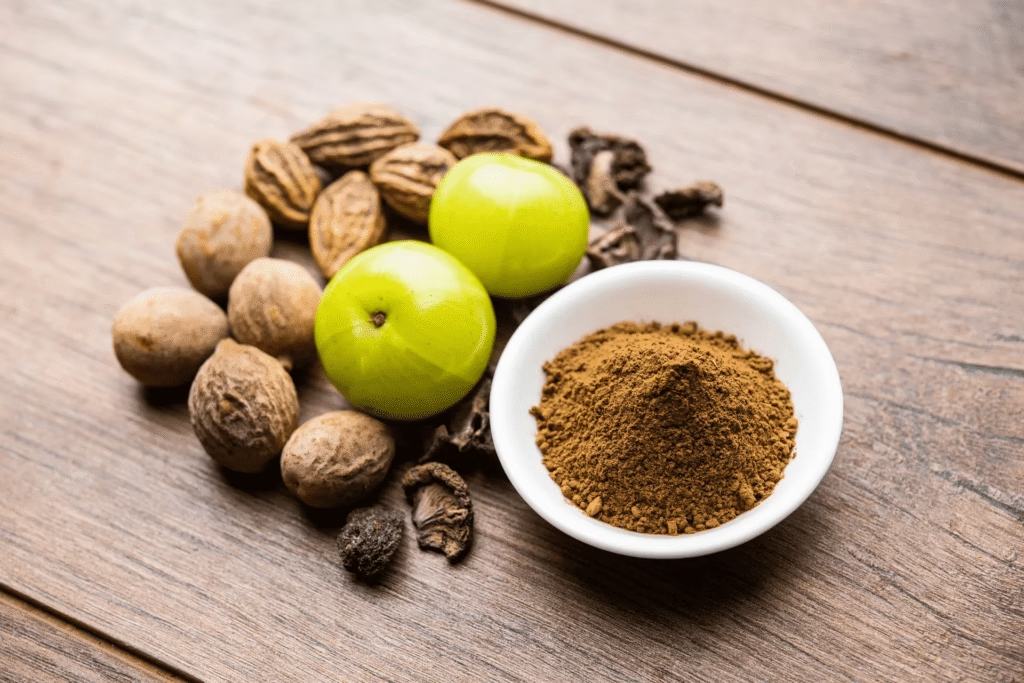
Ingredients
Amla powder, shikakai powder, water
How to Use
- Mix equal parts of amla and shikakai powder with water to form a paste.
- Apply to your scalp and hair, and gently massage.
- Rinse with water.
Benefits
Amla and shikakai together make a natural cleanser. Shikakai cleanses without stripping natural oils, while amla helps remove dirt and excess oil, promoting healthy hair.
Amla Juice Application
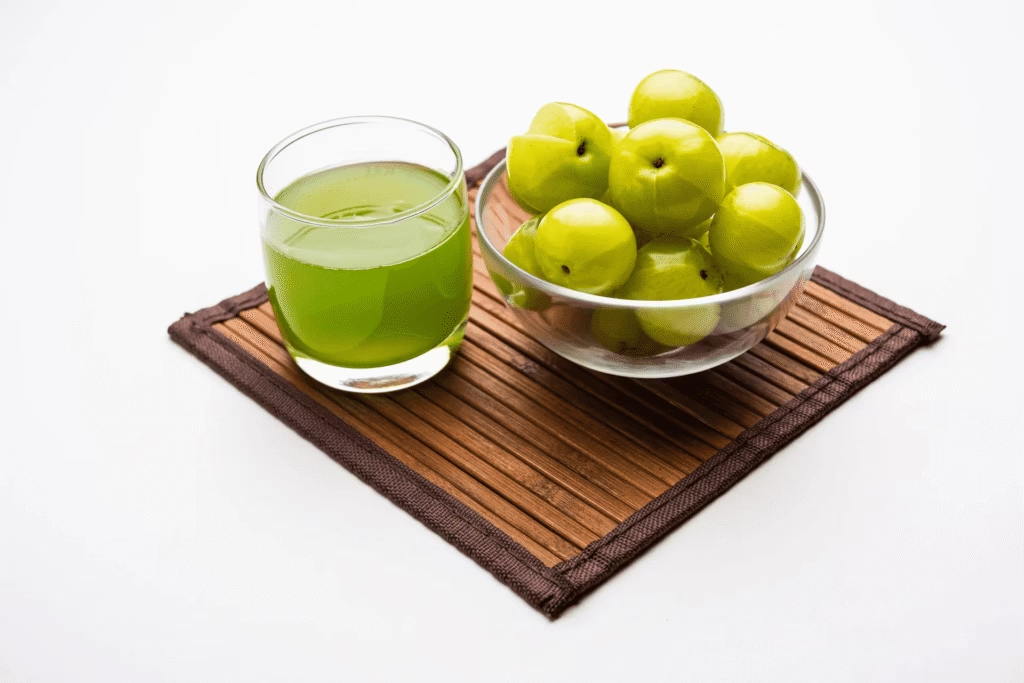
Ingredients
Fresh amla juice (1/2 cup)
How to Use
- Apply the juice directly to your scalp using a cotton ball.
- Gently massage and leave it on for 20-30 minutes before rinsing with lukewarm water.
- Alternatively, drink amla juice daily to improve hair health from within.
Benefits
Amla juice can be used as a traditional scalp treatment, although clinical evidence supporting its direct effect on hair growth is limited.
If you’re concerned about premature graying, explore our guide on prevent gray hair naturally for more effective tips and natural remedies.
Natural Hair Growth Tip: Amla works both inside and out. While applying Amla nourishes your scalp, drinking fresh amla juice regularly may help provide essential nutrients that support healthy hair growth from within.
For the best results, combine both with a healthy lifestyle
Which Form of Amla Is Best for Hair Growth?
There is no single “best” type of amla for everyone. The right choice depends on your hair needs and how you prefer to use it.
Fresh Amla
Fresh amla is an excellent choice because it contains natural vitamin C and antioxidants. You can use it to make fresh juice or a homemade hair mask for maximum freshness.
Amla Powder
Amla powder is the most convenient option for DIY hair masks. It mixes well with ingredients like yogurt, aloe vera, or henna and helps strengthen the scalp and hair roots.
Amla Oil
If you enjoy regular scalp massages, amla oil is a great choice. It nourishes the scalp, reduces dryness, and may help improve hair strength when used consistently.
Amla Juice
Drinking fresh amla juice can support overall health by providing important nutrients, while applying it directly to the scalp may help refresh and nourish the roots.
Tip
For the best results, many people combine different forms of amla. A simple routine is to massage your scalp with amla oil a few times a week, use an amla hair mask once weekly, and enjoy fresh amla juice as part of your daily nutrition.
This approach provides both external care and internal nutrition for healthier hair
How Often to Use Amla for Hair
The frequency of using amla depends on your hair type and how you’re using it—whether as a hair mask, oil, or cleanser. Here are some guidelines:
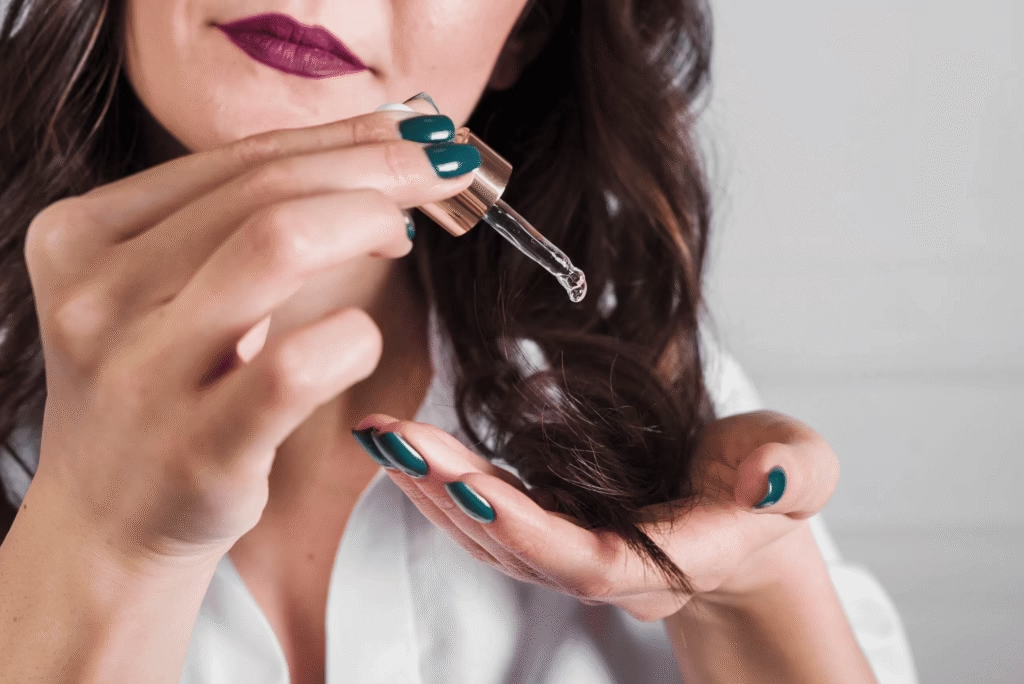
Amla Oil
For best results, use amla oil 2-3 times a week.
Amla Hair Mask
To condition and nourish your hair, apply an amla hair mask such as amla with henna or aloe vera once a week.
Amla Juice
For internal benefits, drink amla juice 2-3 times a week or even daily.
Amla Powder Rinse
To boost natural shine and hair growth, rinse with amla powder after each wash.

Precautions When Using Amla for Hair
Although amla is natural, it’s essential to follow some precautions to avoid side effects.
- Allergy: Though rare, some people may be allergic to amla. Do a patch test on your arm with a small amount of amla oil or powder. If you experience redness, itching, or swelling, avoid using it.
- Overuse: Using too much amla or applying it too often can make hair dry and lead to breakage, especially when used in powder form. Monitor the frequency and keep your hair moisturized with a good conditioner or by mixing amla with curd.
- Dry Hair: If your hair is very dry, try mixing amla with aloe vera, curd, or honey to reduce dryness. This boosts amla’s benefits for hair growth while helping to prevent extra dryness.
- Store-Bought Amla Products: When buying amla products, choose reputable brands. Some products on the market may contain additives, parabens, or synthetic fragrances, which can cause scalp irritation or damage hair over time.
By following these precautions, you can safely add amla to your hair care routine to support healthy hair growth and improve overall hair health.
Summary
Amla can be a useful addition to a natural hair-care routine, particularly as a source of vitamin C and other plant compounds when consumed as part of a balanced diet.
Amla-based oils and masks may help condition the hair and improve its appearance, but evidence that topical amla directly stimulates hair growth is still limited.
For persistent hair shedding or noticeable thinning, it is better to identify the underlying cause rather than relying on a single natural remedy.
Frequently Asked Questions
Does amla help with hair growth?
Amla contains vitamin C and other plant compounds and has a long history of use in traditional hair care.
Some early research suggests potential benefits, but evidence is still limited. Amla should not be considered a proven treatment for hair loss.
How often can I use amla on my hair?
There is no scientifically established ideal frequency for topical amla. Start with occasional use and adjust according to how your scalp and hair respond. Stop if you develop irritation or excessive dryness.

About the Author
Hi, I’m Shashi, founder of Natural Hair Growth. I write evidence-based articles on hair growth, scalp care, and natural remedies to help readers build healthier hair care routines. Read More About Shashi


